Heron's Head Nursery LLC
San Francisco, CA
18 options
Call for pricing
Catalog checked Oct 4, 2026. Confirm availability before visiting.
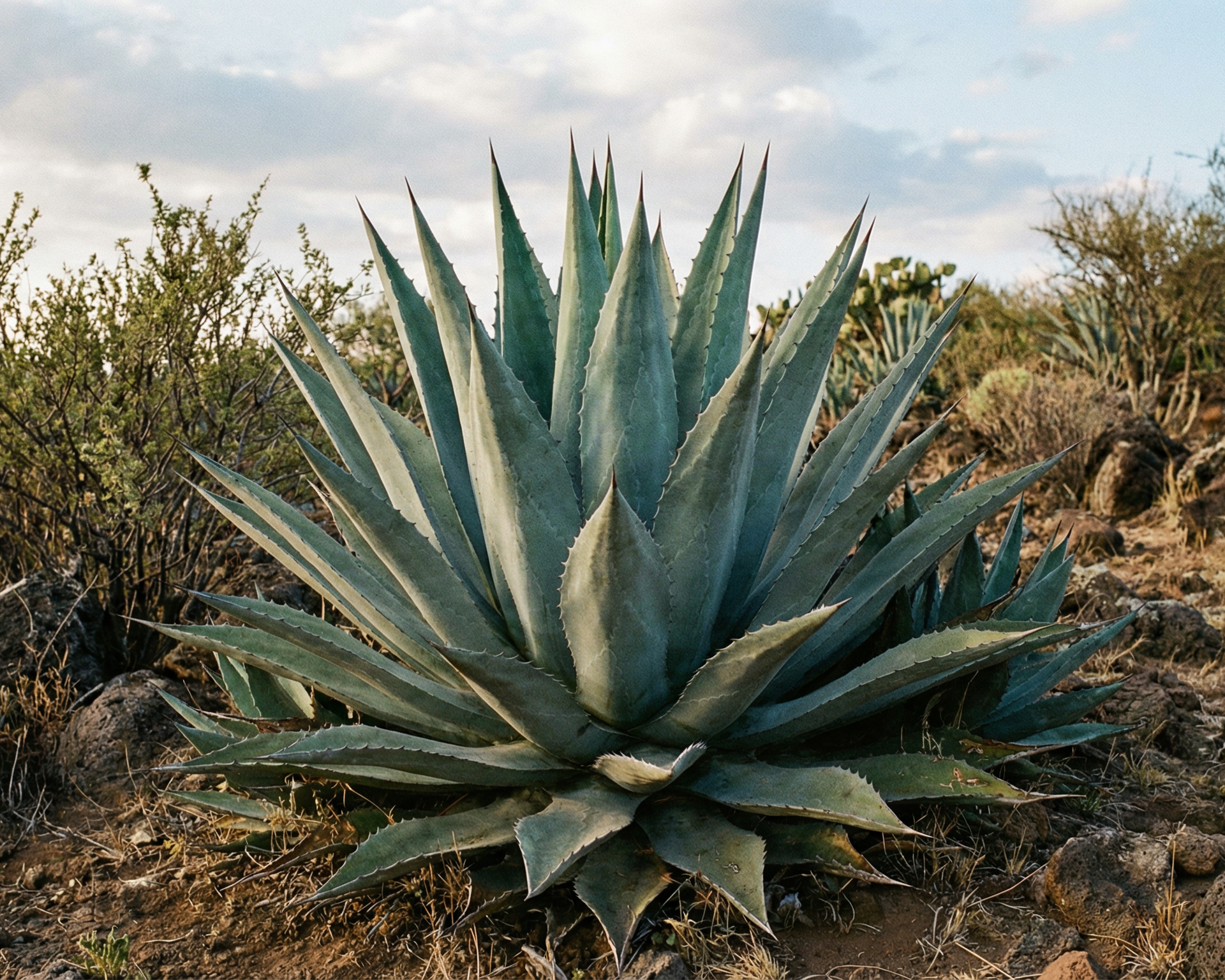
Agave spp.
20 nurseries nationwide
Choose a city or ZIP to find nearby growers. Showing nationwide listings until you choose an area.
20 nurseries · 228 matching options
San Francisco, CA
18 options
Call for pricing
Catalog checked Oct 4, 2026. Confirm availability before visiting.
Crawfordville, FL
3 options
From $24.99
Catalog checked Oct 1, 2026. Confirm availability before visiting.
Carpinteria, CA
24 options
From $10.00
Catalog checked Oct 1, 2026. Confirm availability before visiting.
Ojai, CA
3 options
Call for pricing
Catalog checked Oct 1, 2026. Confirm availability before visiting.
Miami, FL
18 options
From $17.50
Catalog checked Oct 1, 2026. Confirm availability before visiting.
Waxahachie, TX
10 options
Call for pricing
Catalog checked Oct 1, 2026. Confirm availability before visiting.
Longview, TX
4 options
Call for pricing
Catalog checked Oct 1, 2026. Confirm availability before visiting.
Hempstead, TX
5 options
From $20.00
Catalog checked Oct 1, 2026. Confirm availability before visiting.
Showing 9–16 of 20 nurseries
Load more nurseriesAgave is a genus of succulent plants native to the arid and semi-arid regions of the Americas, particularly Mexico and the Caribbean. The name "Agave" comes from the Greek word for "noble." While often called "Century Plant," this name is most commonly associated with Agave americana and is a misnomer, as most species live for 10 to 30 years, not a full century. In Spanish-speaking regions, particularly Mexico, they are also commonly referred to as "Maguey." The most recognizable feature of an Agave is its rosette of thick, fleshy leaves, which are often edged with sharp spines. These leaves are adapted to store water, allowing the plant to survive in dry environments. Most Agave species are monocarpic, meaning they flower only once in their lifetime. Toward the end of its life, the plant sends up a tall, dramatic flower stalk, called a quiote, which can reach heights of up to 40 feet in some species. After flowering and producing seeds, the original plant dies, but often leaves behind suckers or "pups" at its base, which grow into new plants. Agave has a long and rich history of human use. The most famous products derived from Agave are the alcoholic beverages tequila and mezcal, which are made from the fermented juice of the plant's heart, or piña. The sap can also be made into a sweet syrup, known as agave nectar, which is used as a sugar substitute. Beyond beverages and sweeteners, the tough fibers of certain Agave species, particularly Agave sisalana, are used to make sisal, a stiff fiber used for rope, twine, and other textiles. The plant also has a history of use in traditional medicine and is a popular ornamental plant in xeriscaping and succulent gardens worldwide.