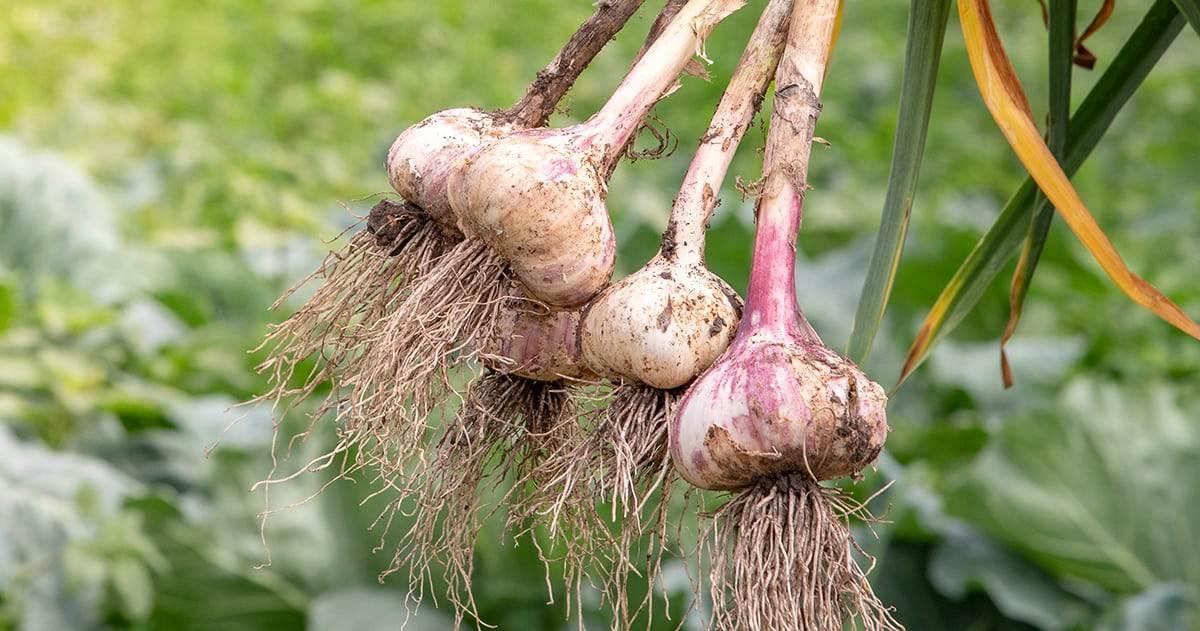
Alliums (onion genus)
Allium spp.
39 nurseries nationwide
Compare nurseries
Nurseries with recorded shipping, across all locations. Confirm delivery to your address and availability on the nursery website.
No nursery options match these filters
Try another size or variety, or broaden your location. Options with unconfirmed variety names are included when All varieties is selected.
About Alliums (onion genus)
Allium Allium is a diverse and extensive genus of flowering plants, encompassing a wide array of species that are characterized by their distinctive onion or garlic-like aroma and flavor. This genus, which belongs to the amaryllis family (Amaryllidaceae), is one of the largest among monocotyledonous plants, with estimates of the number of species ranging from 260 to as high as 979. The name Allium is the Latin word for garlic, and the type species for the genus is Allium sativum, or cultivated garlic. Members of this genus are found in temperate climates across the Northern Hemisphere, with a few exceptions in Chile, Brazil, and tropical Africa. They are herbaceous, geophytic, and perennial plants that grow from true bulbs, some of which are attached to rhizomes. The size of these plants can vary significantly, with heights ranging from a mere 5 centimeters to an impressive 150 centimeters. The key characteristics of the Allium genus are its bulbous nature, unique chemical composition, and distinct floral structure. The plants produce chemical compounds, primarily derived from cysteine sulfoxides, which are responsible for their pungent taste and odor. This characteristic flavor is influenced by the sulfate content of the soil in which they are grown; in sulfur-deficient conditions, the plants lose their typical pungency. The flowers of Allium species are arranged in an umbel at the apex of a leafless stalk, and they consist of six petal-like tepals in two whorls. The leaves are typically basal and wither as the plant flowers, and they can be linear, channeled, or flat. While most species form bulbs, some, like the Welsh onion and leeks, develop thickened leaf-bases instead. The significance of the Allium genus to humans is vast and multifaceted, with a history of cultivation and use that dates back to ancient times. Many species are of great economic importance as food crops, including the onion, garlic, leek, shallot, and chive. These are staple ingredients in cuisines worldwide, valued for their ability to add depth and flavor to a wide variety of dishes. In addition to their culinary uses, many Allium species are cultivated as ornamental plants for their attractive and often showy flower clusters. Some species also have a history of use in traditional medicine, with curative properties attributed to them for a range of ailments. The versatility and widespread use of the Allium genus, from the kitchen to the garden, underscore its enduring importance to human culture and society.
Plant facts
- Sun
- Full Sun, Partial Sun, Partial Shade
- Water
- Regular
- USDA zones
- 3-10
- Lifecycle
- Perennial
Variety guides
Explore the complete plant collection, including varieties with no nursery listings yet. Counts reflect your location and shopping filters.
- Large American Flag0 nurseries listed
- Lincoln0 nurseries listed
- Luk Altaiskii0 nurseries listed
- Megaton0 nurseries listed
- Mount Everest0 nurseries listed
- Nabechan0 nurseries listed
- Nebuka0 nurseries listed
- Neptune0 nurseries listed
- Oslo0 nurseries listed
- Parade0 nurseries listed
- Party Balloons0 nurseries listed
- Perfecto Blanco0 nurseries listed
- Pinball Wizard0 nurseries listed
- Santé0 nurseries listed
- Shades of Belgian Blue0 nurseries listed
- Sprint Organic0 nurseries listed
- Starlight0 nurseries listed
- Tadorna0 nurseries listed
- Tokyo Long White0 nurseries listed
- Zebrune0 nurseries listed
- Zermatt0 nurseries listed