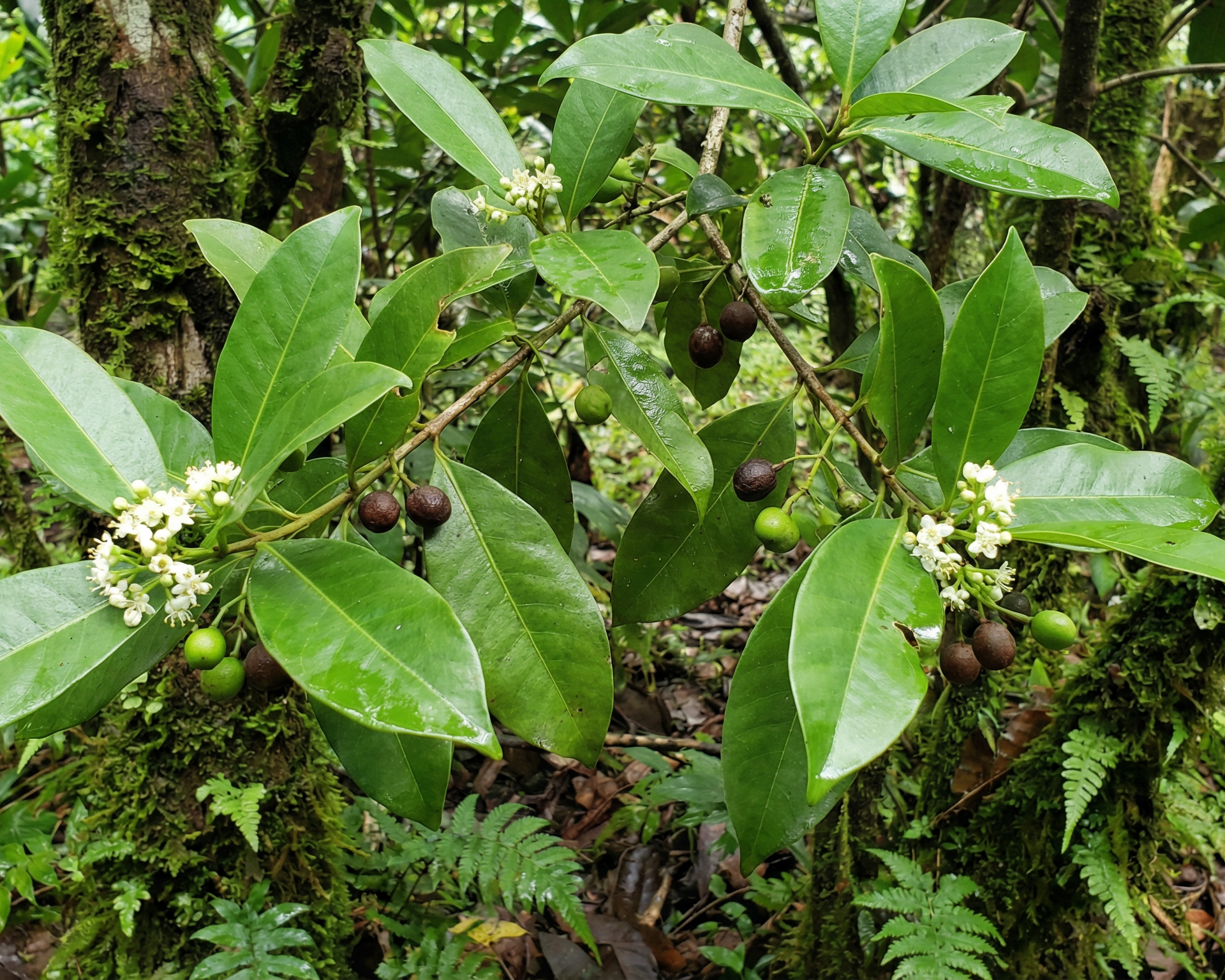
Allspice (pimento, Jamaica pepper)
Pimenta dioica
1 nursery nationwide
Compare nurseries
Choose a city or ZIP to find nearby growers. Showing nationwide listings until you choose an area.
1 nursery · 8 matching options
1 location on the map. Select a marker or a nursery to compare.
Preparing the map…
Your location isn’t saved. Confirm availability and visiting hours with the nursery.
About Allspice (pimento, Jamaica pepper)
Allspice, scientifically known as Pimenta dioica, is an evergreen tree belonging to the myrtle family, Myrtaceae. Native to the Greater Antilles, southern Mexico, and Central America, it is the source of the well-known spice that bears its name. The name "allspice" was given to it by the English in the 17th century, who found its flavor to be a combination of cinnamon, nutmeg, and cloves. The tree is of medium size, typically reaching heights of 7 to 15 meters, and has a slender, upright trunk with smooth, gray, peeling bark. The key characteristics of the allspice tree lie in its aromatic leaves and berries. The leaves are large, leathery, and oblong, emitting a fragrant scent when crushed. The tree produces small, white, and fragrant flowers, which are followed by green, berry-like fruits. These fruits are harvested when unripe and are then dried in the sun, during which they turn a reddish-brown color and develop their characteristic flavor and aroma. The essential oil eugenol is a significant component of allspice, contributing to its distinct scent and taste. Allspice is a versatile and widely used spice with significant culinary and cultural importance. In cooking, it is a key ingredient in Jamaican jerk seasoning, and its wood is traditionally used for smoking jerk meats. It is also used in Mexican and Middle Eastern cuisines to flavor stews, meat dishes, and sauces. In European and North American cooking, it is found in sausages, curry powders, and pickling spices, as well as in desserts. Beyond its culinary uses, allspice has a history of use in traditional medicine and is also used to produce a liqueur called "pimento dram".
Plant facts
- Sun
- Full Sun, Partial Shade
- Water
- Regular
- USDA zones
- 10-12
- Lifecycle
- Perennial