Green Life by Shamus O Leary Tropicals
Phoenix, AZ
4 options
From $65.00
Catalog checked Oct 1, 2026. Confirm availability before visiting.
Persea americana
33 nurseries nationwide · 22 named varieties
33 nurseries · 726 matching options
Phoenix, AZ
4 options
From $65.00
Catalog checked Oct 1, 2026. Confirm availability before visiting.
San Francisco, CA
4 options
Call for pricing
Catalog checked Oct 4, 2026. Confirm availability before visiting.
Cedar Park, TX
3 options
Call for pricing
Catalog checked Oct 1, 2026. Confirm availability before visiting.
From $70.00
Catalog checked Oct 1, 2026. Confirm availability before visiting.
Loxahatchee, FL
8 named varieties · 148 options
From $50.00
Catalog checked Oct 1, 2026. Confirm availability before visiting.
Lutz, FL
11 named varieties · 90 options
From $59.00
Catalog checked Oct 1, 2026. Confirm availability before visiting.
From $69.99
Catalog checked Oct 1, 2026. Confirm availability before visiting.
Miami, FL
84 options
From $45.00
Catalog checked Oct 1, 2026. Confirm availability before visiting.
Showing 9–16 of 33 nurseries
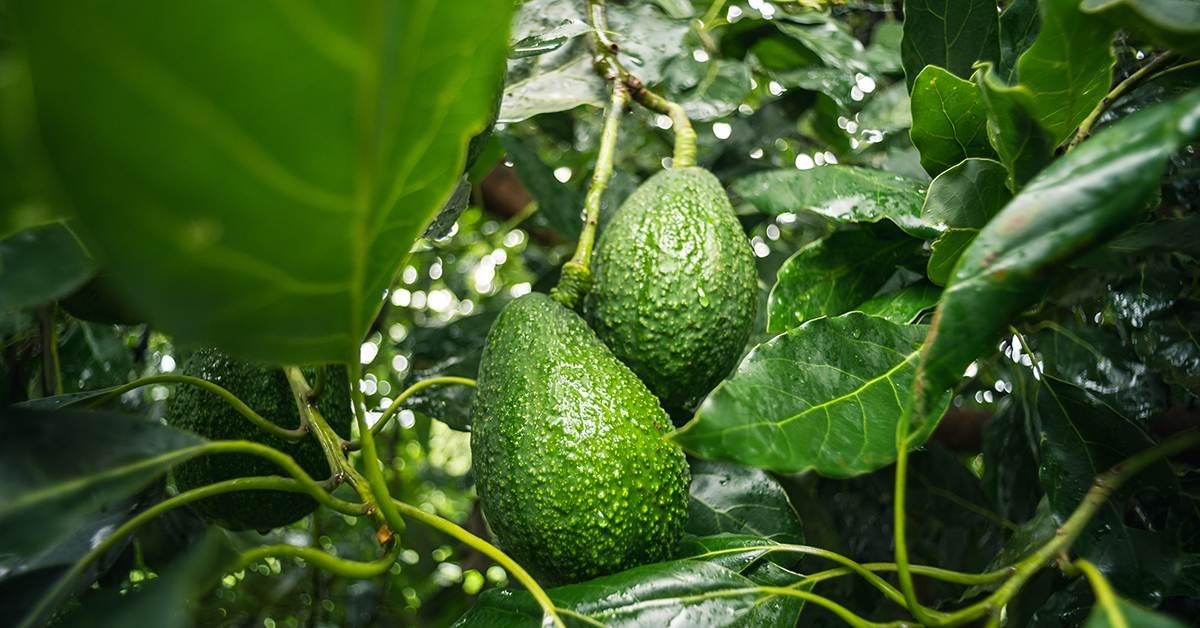
Load more nurseriesThe genus Persea encompasses a diverse group of evergreen trees belonging to the laurel family, Lauraceae. While the genus includes over 100 species, it is most famously represented by the avocado (Persea americana), a fruit of global culinary and economic significance. Originating from south-central Mexico, the avocado is now cultivated in tropical and Mediterranean climates worldwide. The trees are fast-growing, reaching heights of up to 20 meters (65 feet), with a dense canopy of large, dark green leaves. The avocado tree produces a unique fruit that is botanically classified as a large berry. The fruit's size, shape, and skin texture vary between cultivars, ranging from pear-shaped to round and from green to black. The flesh of the avocado is characteristically creamy and rich in healthy fats, a trait that distinguishes it from most other fruits. The tree's flowers are small, greenish-yellow, and exhibit a remarkable flowering behavior known as protogynous, diurnally synchronous dichogamy, where the flower functions as a female on its first day and a male on its second, a mechanism that promotes cross-pollination. Beyond its culinary popularity, the avocado holds significant nutritional and cultural value. It is a nutrient-dense food, rich in monounsaturated fats, fiber, potassium, and various vitamins. The fruit is consumed in a wide array of dishes, from salads and sandwiches to the iconic guacamole. In its native regions, the avocado has been a staple food for thousands of years, holding a place in the diets and traditions of ancient civilizations like the Aztecs and Mayans. The cultivation of avocados is a major agricultural industry in many countries, contributing significantly to their economies.
Explore the complete plant collection, including varieties with no nursery listings yet.