Bamboo
Bambusa spp.
11 nurseries listed · 2 named varieties
Compare nurseries
11 nurseries · 132 matching options
11 locations on the map. Select a marker or a nursery to compare.
Preparing the map…
Your location isn’t saved. Confirm availability and visiting hours with the nursery.
About Bamboo
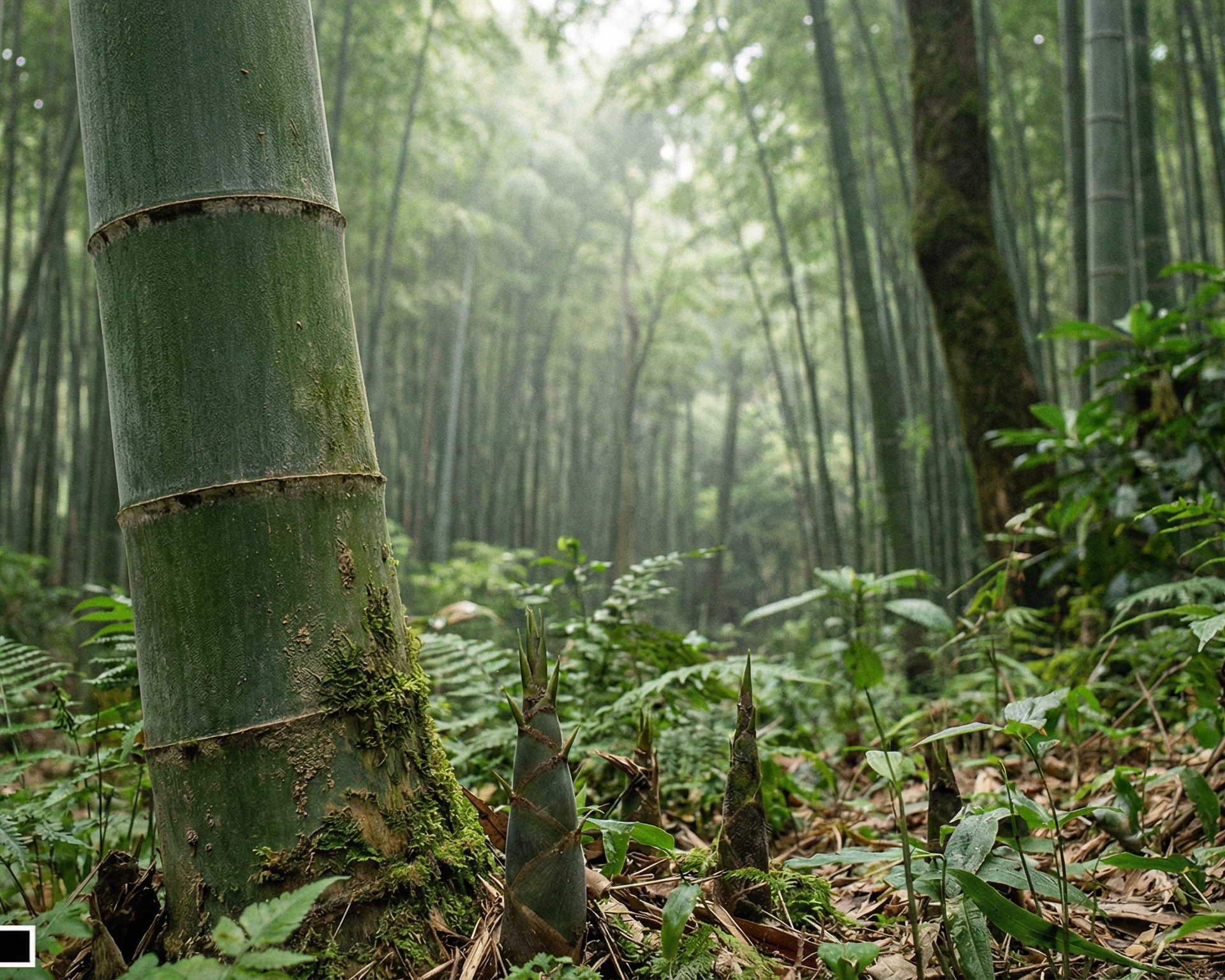
Bambusa is a genus of large, clumping bamboos, encompassing over 150 species. These plants are primarily native to the tropical and subtropical regions of Asia, including Southeast Asia, South Asia, China, and Taiwan, and extend to New Guinea, Melanesia, and Northern Australia. Due to their adaptability and usefulness, many Bambusa species have been introduced and have become naturalized in various other parts of the world, including Africa and the Americas. The genus is characterized by its impressive size, with most species being quite large and forming dense clumps. They are a prominent feature of the landscapes where they grow, contributing significantly to the local flora. The key characteristics of the Bambusa genus are its distinctive growth habit and physical features. The plants grow from underground rhizomes, which produce the culms (stems) that can reach heights of 15 to 20 meters. These culms are typically bright green, glossy, and erect, with a gentle arching at the top. A notable feature is the branching pattern, with numerous branches emerging from the nodes, and one or two of these branches being significantly larger than the others. The leaves are lance-shaped and can be up to 30 cm long and 4 cm wide. The nodes along the culms are prominent, and the lower ones often have a ring of roots and are covered in brown hairs, which is a distinguishing characteristic of many species within the genus. The uses and significance of Bambusa are extensive and varied, reflecting the plant's versatility and rapid growth. It is a vital resource for light construction, used in building houses, bridges, and scaffolding. The culms are also fashioned into a wide array of products, including furniture, musical instruments, and handicrafts. In agriculture, they serve as support stakes for other plants, such as bananas. Beyond its structural uses, Bambusa is also a source of food, with the young shoots of some species being edible. The leaves can be used as fodder for livestock. Furthermore, various parts of the plant have been used in traditional medicine to treat a range of ailments. The genus also holds cultural significance in many societies and is widely planted for ornamental purposes and for erosion control.
Plant facts
- Sun
- Full Sun, Partial Sun, Partial Shade
- Water
- Regular, High
- USDA zones
- 8-11
- Lifecycle
- Perennial
Variety guides
Explore the complete plant collection, including varieties with no nursery listings yet.