Barberry
Berberis spp.
11 nurseries listed
Compare nurseries
11 nurseries · 53 matching options
11 locations on the map. Select a marker or a nursery to compare.
Preparing the map…
Your location isn’t saved. Confirm availability and visiting hours with the nursery.
About Barberry
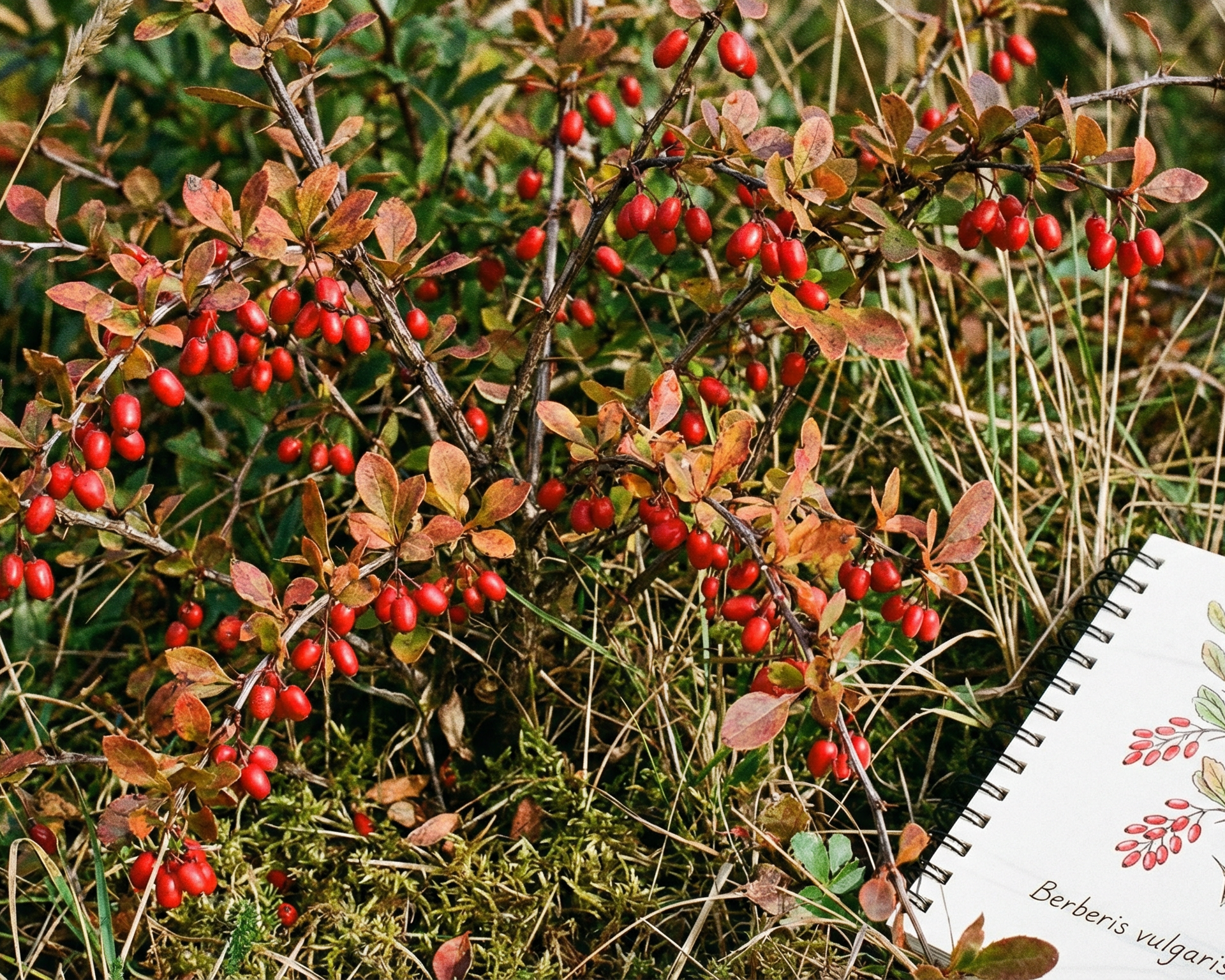
Berberis, commonly known as Barberry, is a large and diverse genus of over 500 species of deciduous and evergreen shrubs. Found throughout the temperate and subtropical regions of the world, with the greatest species diversity in South America and Asia, these plants are a familiar sight in many landscapes. They are adaptable and resilient, thriving in a variety of conditions and valued for their ornamental and practical uses. Barberry shrubs are characterized by their dimorphic shoots, with long shoots forming the main structure and short shoots bearing the leaves. A distinctive feature of many species is the presence of spines along the stems and leaf margins, which are actually modified leaves. The flowers, typically yellow or orange, are produced in clusters and give way to small, edible berries that are rich in Vitamin C. The berries are usually red or dark blue and have a sharp, acidic flavor. Barberries have a long history of use in both culinary and medicinal traditions. In Persian cuisine, the berries, known as "zereshk," are a key ingredient in rice dishes and poultry, adding a tart flavor. The plants also have a significant history in traditional medicine, with various parts of the plant used to treat a range of ailments. Modern research has focused on the alkaloid berberine, found in high concentrations in the roots and bark, which has shown potential in managing metabolic diseases like diabetes. Beyond their practical uses, Barberries are popular ornamental plants, prized for their vibrant foliage, which can range from green to deep purple and red, and their attractive berries that provide winter interest and food for wildlife.
Plant facts
- Sun
- Full Sun, Partial Sun, Partial Shade
- Water
- Regular, Drought Tolerant
- USDA zones
- 4-8
- Lifecycle
- Perennial