Rohr & Sons Nursery-Garden Center
Massillon, OH
1 option
From $63.38
Catalog checked Oct 1, 2026. Confirm availability before visiting.
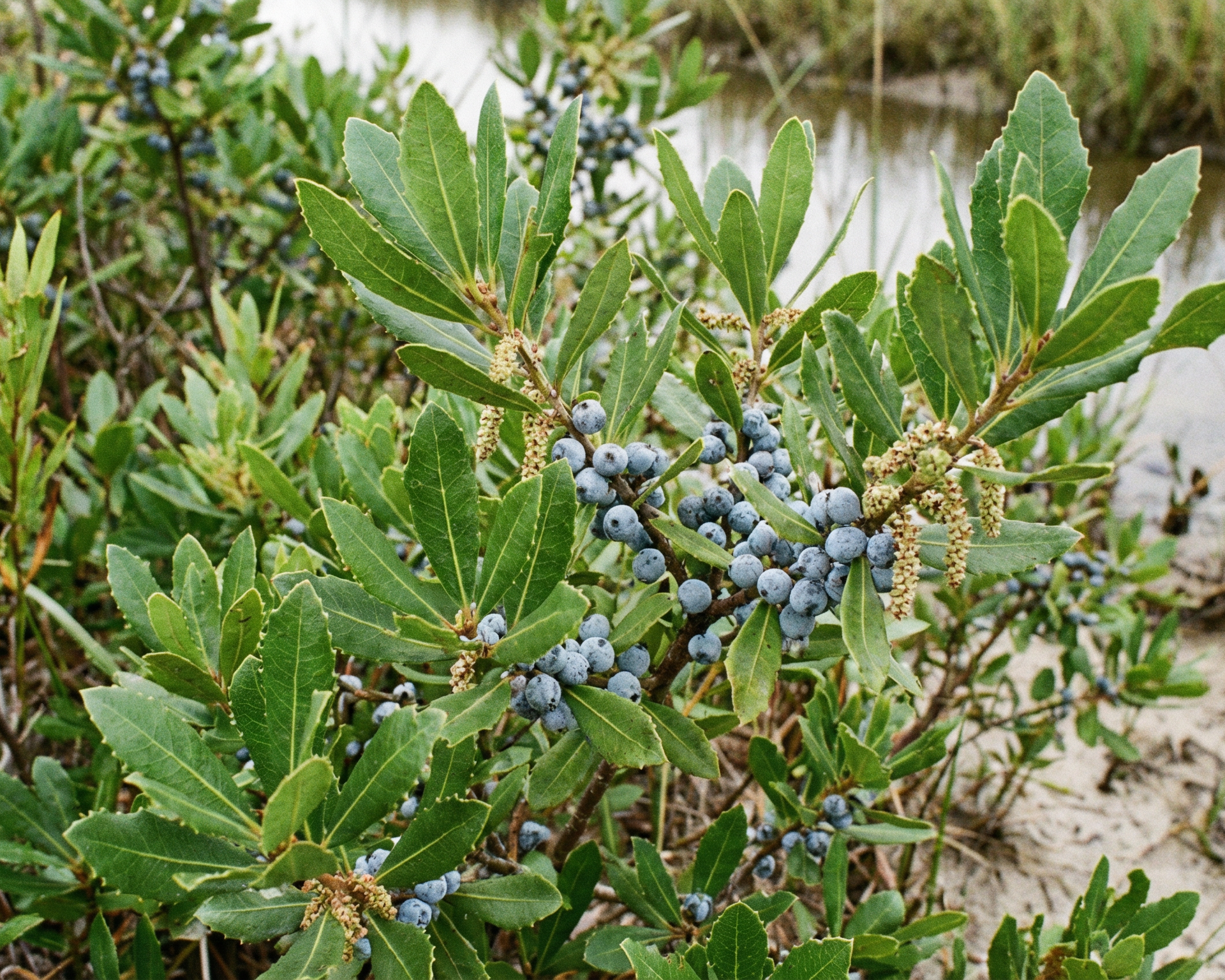
Myrica spp.
14 nurseries listed
14 nurseries · 44 matching options
Massillon, OH
1 option
From $63.38
Catalog checked Oct 1, 2026. Confirm availability before visiting.
East Earl, PA
1 option
From $49.86
Catalog checked Oct 1, 2026. Confirm availability before visiting.
Elkton, KY
1 option
From $88.99
Catalog checked Oct 1, 2026. Confirm availability before visiting.
Church Hill, MD
2 options
Call for pricing
Catalog checked Oct 4, 2026. Confirm availability before visiting.
Great Barrington, MA
4 options
From $59.99
Catalog checked Oct 1, 2026. Confirm availability before visiting.
Aiken, SC
3 options
Call for pricing
Catalog checked Oct 1, 2026. Confirm availability before visiting.
Showing 9–14 of 14 nurseries
Bayberry, the common name for plants in the genus Myrica, encompasses a diverse group of about 35 to 50 species of small trees and shrubs belonging to the Myricaceae family. These plants are found across the globe, with native species in Africa, Asia, Europe, North and South America. While some botanists propose splitting the genus into Myrica and Morella based on differences in their flower and fruit structures, they are collectively known by a variety of names including bay-rum tree, candleberry, sweet gale, and wax-myrtle. The generic name Myrica is derived from the Greek word "myrike," which means "fragrance," a fitting name for a plant with aromatic leaves. The plants in the Myrica genus are highly adaptable, ranging in size from 1-meter-tall shrubs to trees that can reach up to 20 meters in height. The majority of these species are evergreen, though some are deciduous. A key characteristic of bayberries is their ability to thrive in poor, nitrogen-deficient soils. This is due to a symbiotic relationship with nitrogen-fixing bacteria in their roots. The leaves are simple, spirally arranged, and have a tapered base with a broader tip. When crushed, the leaves release a pleasant aroma. Bayberries are typically dioecious, meaning male and female flowers are borne on separate plants. The fruit is a small drupe covered in a waxy substance. The waxy coating on the fruit of several Myrica species, particularly Myrica pensylvanica, has been traditionally harvested to make bayberry candles and soaps. This practice has a long history, with references in literature and a tradition of burning bayberry candles for good fortune during the holidays. The foliage of Myrica gale, or sweet gale, is a natural insect repellent. Beyond their practical uses, many Myrica species are cultivated as ornamental plants in gardens and landscapes. The fruit of Myrica rubra is a significant commercial crop in China, where it is enjoyed fresh, dried, and in various food and beverage products. In Denmark, the leaves are used to flavor beer and snaps, and they can also be dried and used as a spice in cooking. Bayberries are valued in landscaping for their hardiness and low maintenance requirements. They are adaptable to a wide range of growing conditions, tolerating both dry and wet soils, and are particularly well-suited for acidic environments. These plants can be grown in full sun to partial shade and are resistant to drought, high winds, and salt spray, making them an excellent choice for coastal and roadside plantings. Their dense growth habit makes them suitable for use as hedges, screens, and for erosion control on banks. Furthermore, the fruits are a food source for birds, adding to their ecological value in the garden.