Sauder's Nursery LLC
East Earl, PA
2 options
From $36.82
Catalog checked Oct 1, 2026. Confirm availability before visiting.
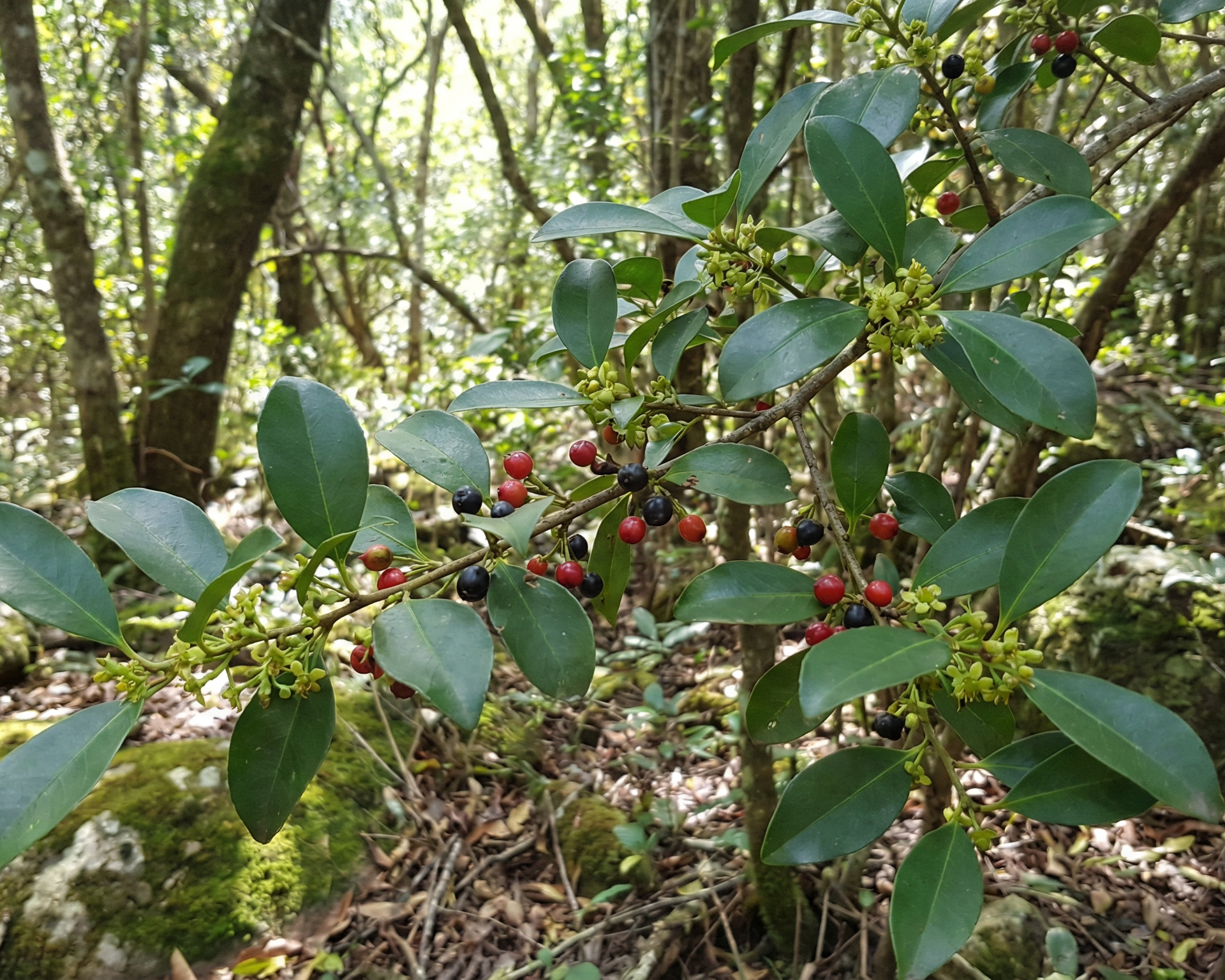
Rhamnus spp.
11 nurseries listed
11 nurseries · 25 matching options
East Earl, PA
2 options
From $36.82
Catalog checked Oct 1, 2026. Confirm availability before visiting.
Logan, UT
2 options
Call for pricing
Catalog checked Oct 1, 2026. Confirm availability before visiting.
Largo, FL
1 option
From $24.99
Catalog checked Oct 1, 2026. Confirm availability before visiting.
Showing 9–11 of 11 nurseries
Rhamnus, commonly known as buckthorn, is a genus of about 140-150 species of shrubs and small trees in the family Rhamnaceae. These plants are found throughout the temperate and subtropical regions of the Northern Hemisphere, and also in parts of Africa and South America. The genus includes both deciduous and evergreen species. While some species are valued as ornamental plants, others, like Common Buckthorn (Rhamnus cathartica), are considered invasive in many areas. Buckthorns are characterized by their simple, often glossy leaves that are arranged alternately on the stem. The flowers are small, inconspicuous, and typically greenish-yellow, appearing in clusters. The fruit is a berry-like drupe, which can be red, purple, or black, and contains two to four seeds. Many species have thorny branches, which gives them their common name. The size of buckthorns can vary from small shrubs to trees reaching up to 10 meters in height. Historically, buckthorns have been used for a variety of purposes. The bark and berries of some species, such as Rhamnus purshiana (Cascara), have been used as a laxative. The berries of some species have also been used to make dyes. For example, the ripe berries of Common Buckthorn produce a green dye, and the bark a yellow dye. However, the berries of most species are mildly poisonous to humans and can cause stomach upset if eaten. Some species are planted as ornamentals, but their invasive nature in some regions is a significant ecological concern. Buckthorns are generally hardy and adaptable plants, capable of growing in a wide range of soil types and conditions. They can tolerate both sun and partial shade. They are also drought-tolerant once established. However, due to the invasive potential of some species, it is crucial to check local regulations and recommendations before planting. For example, Rhamnus cathartica and Rhamnus frangula are listed as invasive in many parts of North America. If planting non-invasive varieties, they require minimal care.