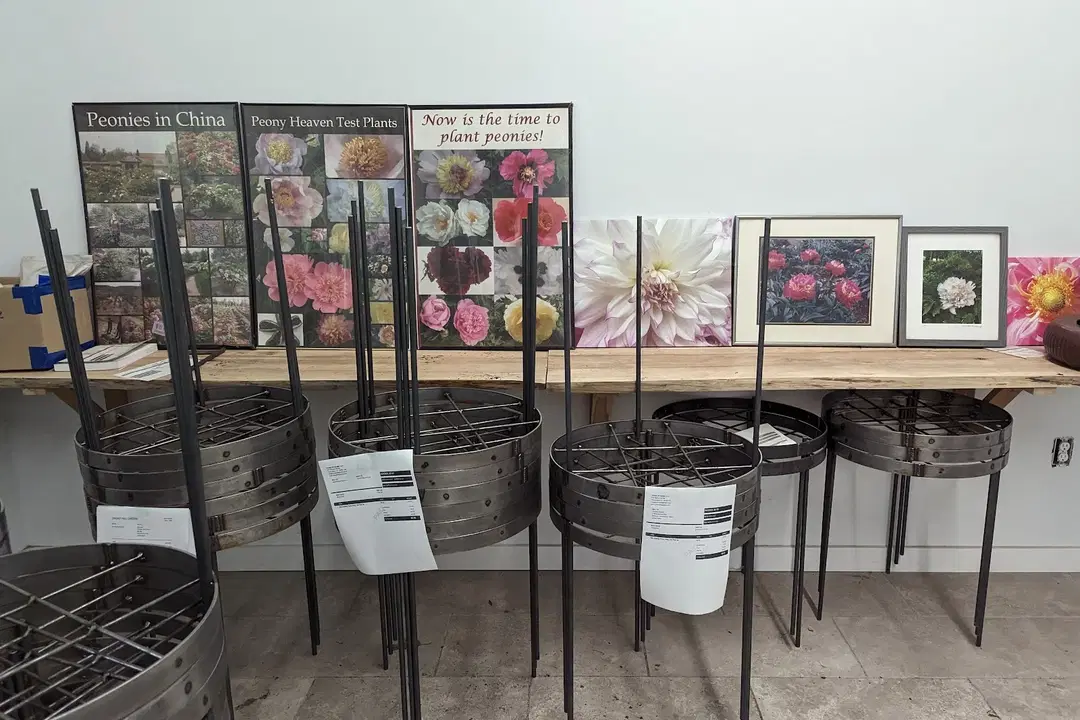
 On site
Cricket Hill Garden
Thomaston, CT
1option
Listed as “Cercis canadensis, 'Alley Cat' Redbud”
Variety not confirmedAsk about sizesCall for pricing
Catalog checked Nov 15, 2026. Confirm availability before visiting.
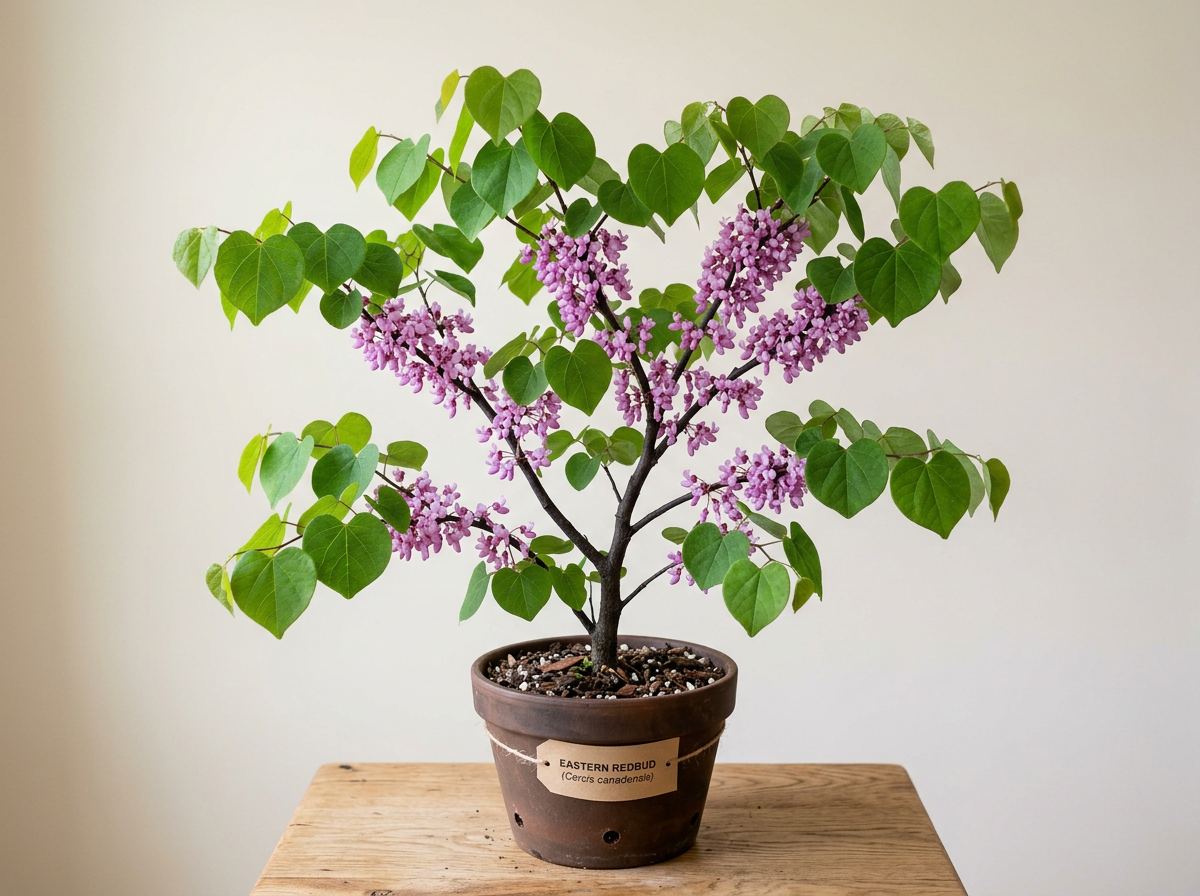
Cercis canadensis
Eastern Redbud, Cercis canadensis, is a small native deciduous tree of eastern and central North America. In late winter or early spring, before the leaves emerge, clusters of pink to purplish pink pea-shaped flowers line the bare branches and sometimes the trunk. Read more
45 nurseries · 340 matching options
Choose a city or ZIP to find nearby growers. Showing nationwide listings until you choose an area.
On siteThomaston, CT
1option
Listed as “Cercis canadensis, 'Alley Cat' Redbud”
Call for pricing
Catalog checked Nov 15, 2026. Confirm availability before visiting.
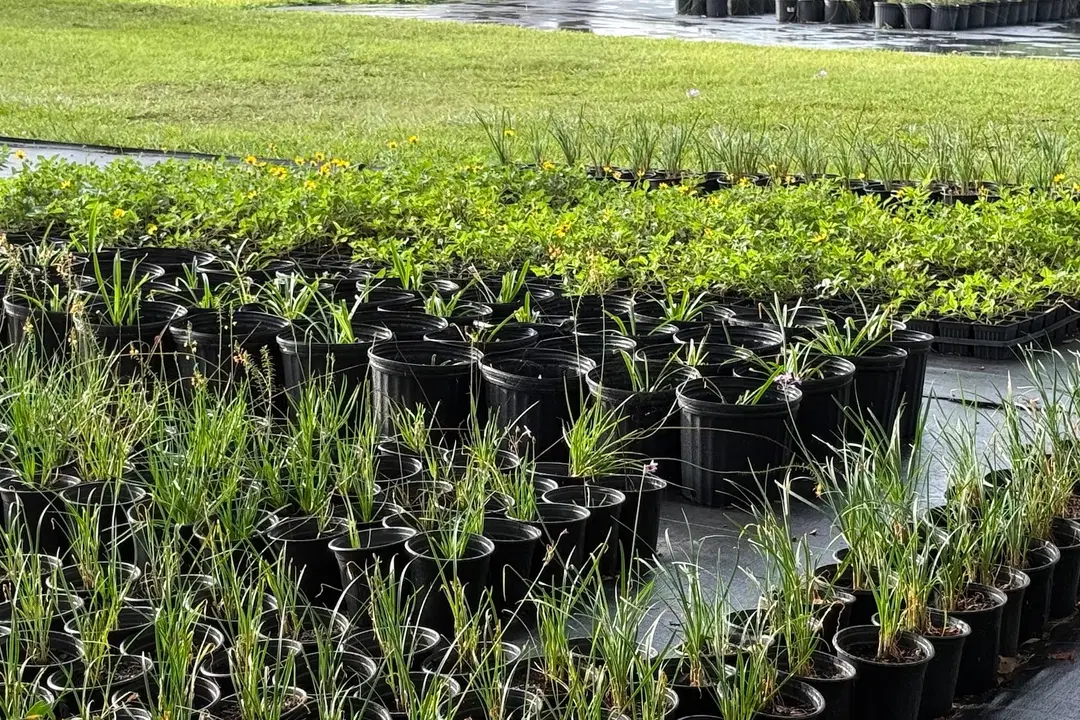 On site
De Leon Springs, FL
1option
Listed as “Eastern Redbud”
$149.00
Catalog checked Nov 15, 2026. Confirm availability before visiting.
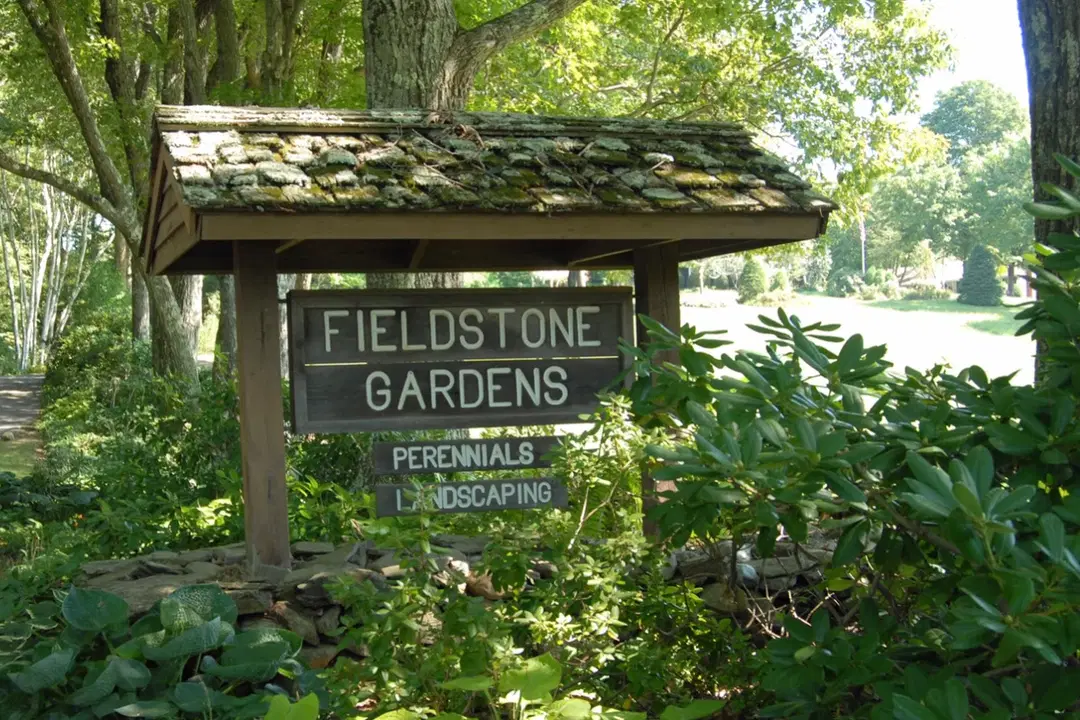 On site
Vassalboro, ME
4options
Listed as “Cercis canadensis Garden Gems® Amethyst”
Call for pricing
Catalog checked Nov 15, 2026. Confirm availability before visiting.
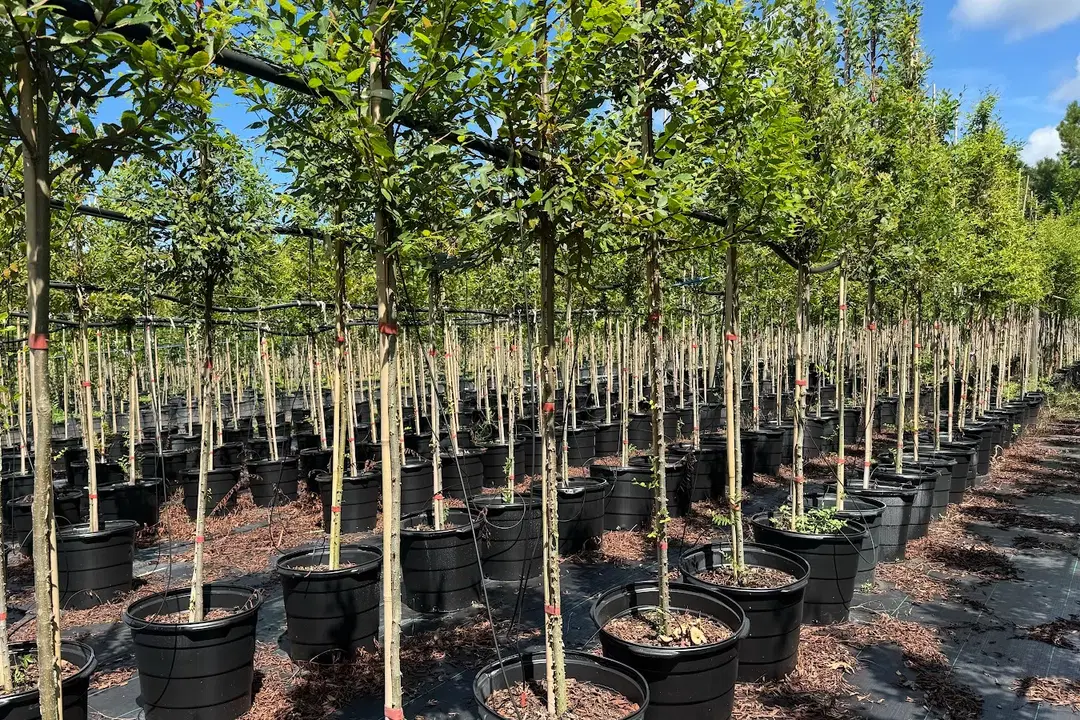 On site
Pierson, FL
2options
Listed as “Eastern Redbud (Cercis Canadensis)”
From $30.00
Catalog checked Nov 15, 2026. Confirm availability before visiting.
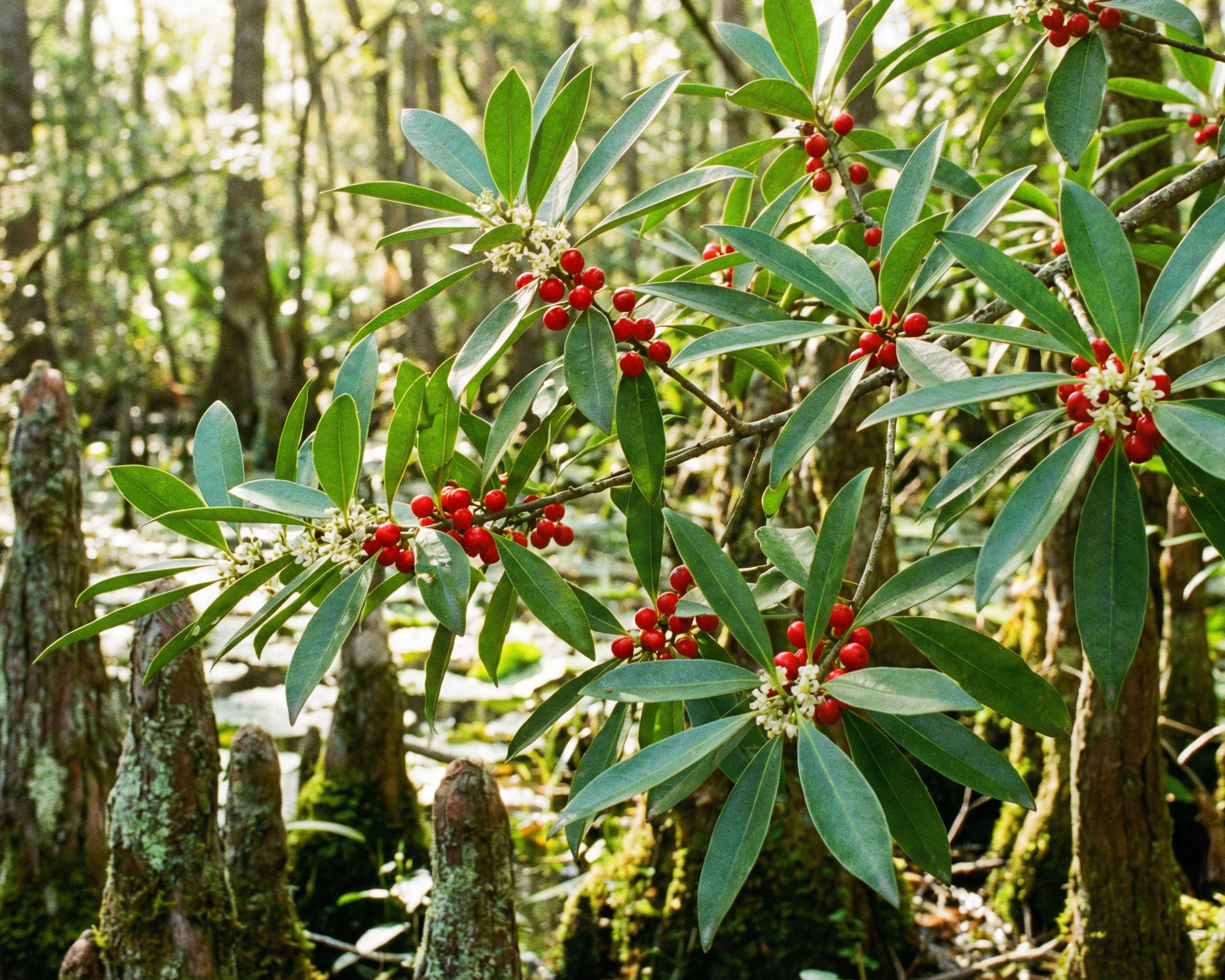
 Plants they list
Groveland, FL
2options
Listed as “Eastern Redbud / Cercis canadensis*”
Call for pricing
Catalog checked Oct 2, 2026. Confirm availability before visiting.
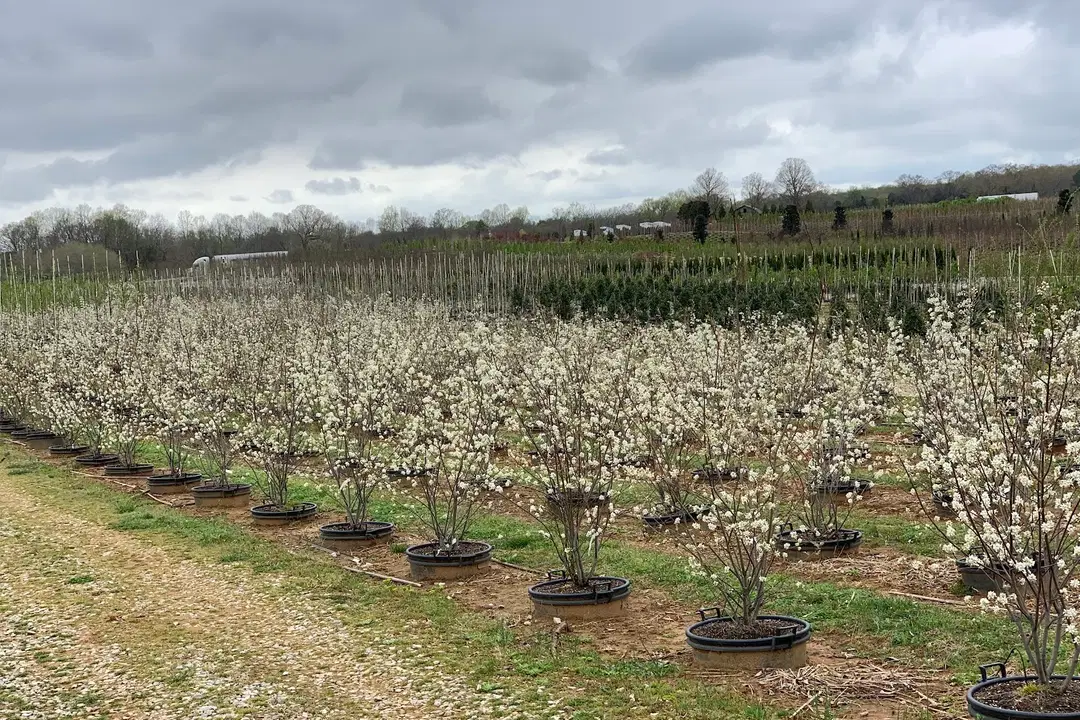 On site
McMinnville, TN
12options
Listed as “Cercis Canadensis ‘Forest Pansy’”
Call for pricing
Catalog checked Nov 15, 2026. Confirm availability before visiting.
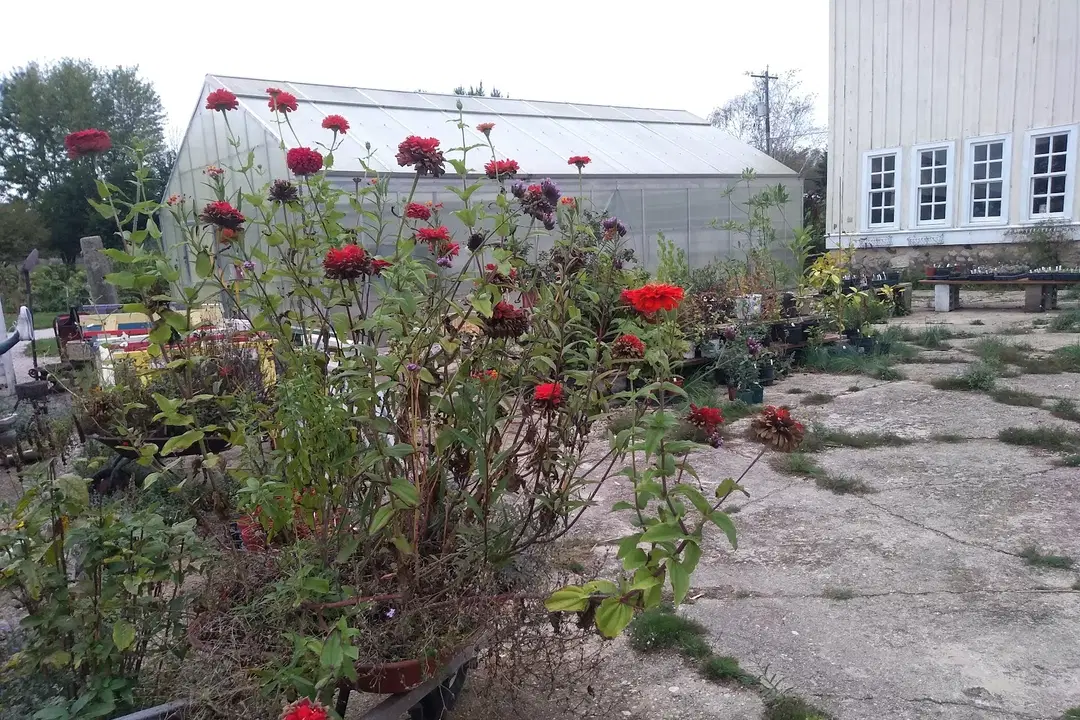 On site
Mukwonago, WI
1option
Listed as “Cercis canadensis Red bud, Judas tree. Z 4-8”
Call for pricing
Catalog checked Nov 15, 2026. Confirm availability before visiting.
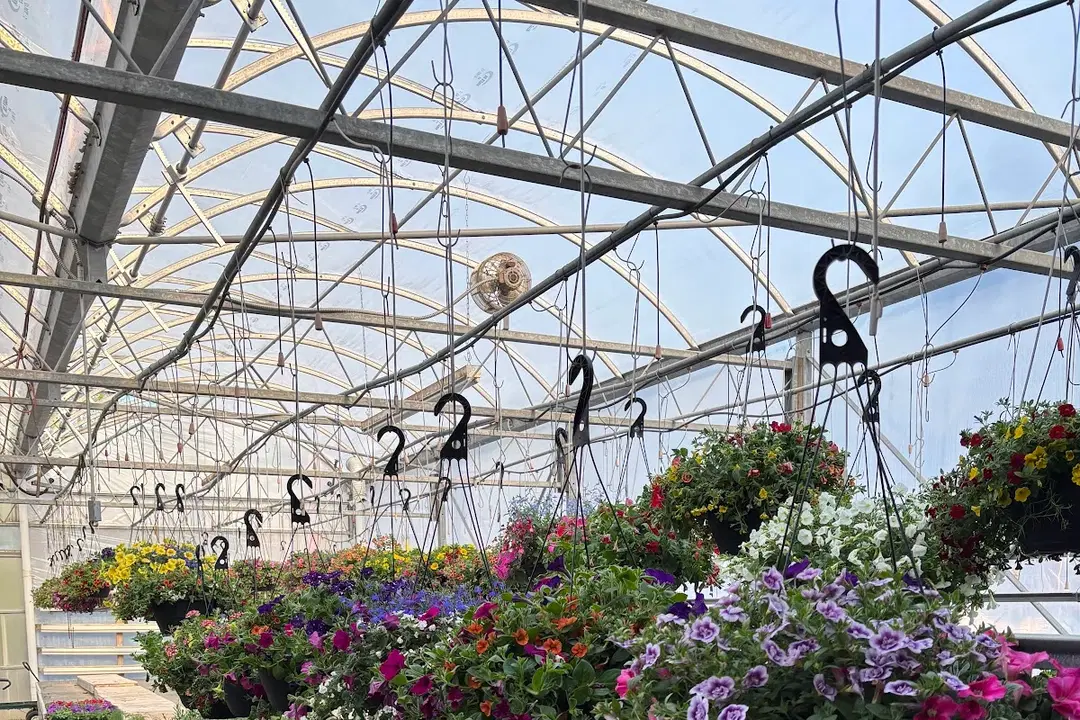 On site
Chardon, OH
2options
Listed as “Cercis canadensis – Eastern Redbud”
From $120.00
Catalog checked Nov 15, 2026. Confirm availability before visiting.
Showing 9 to 16 of 45 nurseries
Load more nurseriesEastern Redbud, Cercis canadensis, is a small native deciduous tree of eastern and central North America. In late winter or early spring, before the leaves emerge, clusters of pink to purplish pink pea-shaped flowers line the bare branches and sometimes the trunk. Heart-shaped leaves turn yellow in fall, and flat brown seed pods hang on into winter.
Grow it in full sun to part shade in USDA zones 4 through 9, where it reaches 20 to 30 feet tall and roughly as wide. It accepts sand, loam, or clay, acidic to alkaline, but prefers moist, well-drained ground over permanently wet soil. Water through summer dry spells; established trees handle moderate drought but have no salt tolerance. Branches break easily, so give it a sheltered spot. Native south to central Florida, it may not bloom well at the far south end of that range. The flowers are edible.