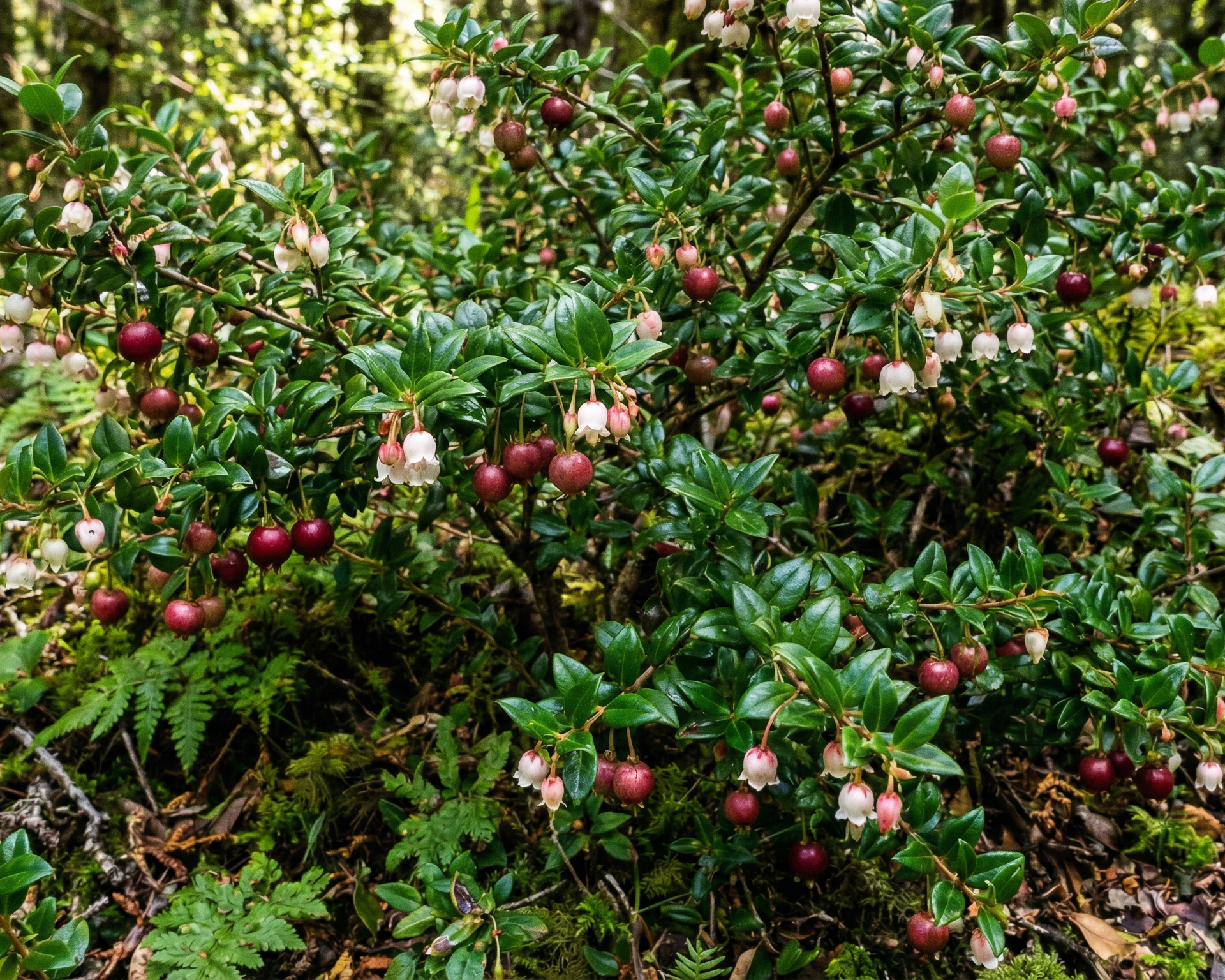
Chilean guava / murta
Ugni molinae
5 nurseries nationwide
Compare nurseries
Nurseries with recorded shipping, across all locations. Confirm delivery to your address and availability on the nursery website.
No nursery options match these filters
Try another size or variety, or broaden your location. Options with unconfirmed variety names are included when All varieties is selected.
About Chilean guava / murta
Chilean Guava, scientifically known as Ugni molinae, is an evergreen shrub native to Chile and adjacent regions of southern Argentina. It belongs to the myrtle family, Myrtaceae, which also includes well-known plants like guava, allspice, and eucalyptus. While the genus Ugni comprises a few species, Ugni molinae is the most recognized and is celebrated for its aromatic, edible berries. Other common names for this plant include Strawberry Myrtle and Ugniberry, a testament to its delightful fragrance and flavor. This plant typically grows as a bushy shrub, reaching a height of 1 to 1.5 meters. It features small, leathery, dark green leaves that release a spicy scent when crushed. In late spring to early summer, the plant produces fragrant, nodding, bowl-shaped white or pale pink flowers. These are followed by small, round, dark red to purple berries, about 1 cm in diameter. The berries have a unique flavor, often compared to wild strawberries, with a hint of spice. Chilean Guava is highly valued for its culinary uses. The berries are eaten fresh or used to make a variety of products, including jams, jellies, and desserts. In Chile, they are used to make a traditional liqueur called Murtado. Beyond its culinary appeal, Ugni molinae is also a popular ornamental plant in gardens, appreciated for its attractive foliage, fragrant flowers, and colorful berries. It was reportedly a favorite fruit of Queen Victoria. In terms of cultivation, Chilean Guava is a relatively easy plant to grow. It thrives in full sun to partial shade and prefers well-drained soil. It is tolerant of a range of soil types, including chalk, clay, loam, and sand. The plant is fairly hardy, tolerating temperatures down to about -10°C, but it benefits from a sheltered position, especially in colder climates. It is generally pest and disease-free, making it a low-maintenance addition to a garden or patio.
Plant facts
- Sun
- Full Sun, Partial Sun, Partial Shade
- Water
- Regular
- USDA zones
- 8-10
- Lifecycle
- Perennial