Super & Son Nursery & Landscape
Imlay City, MI
1 option
Catalog checked Sep 29, 2026. Confirm availability before visiting.
Black Chokeberry (18-24 in)
Variety not confirmed
Ask about sizes$4.95
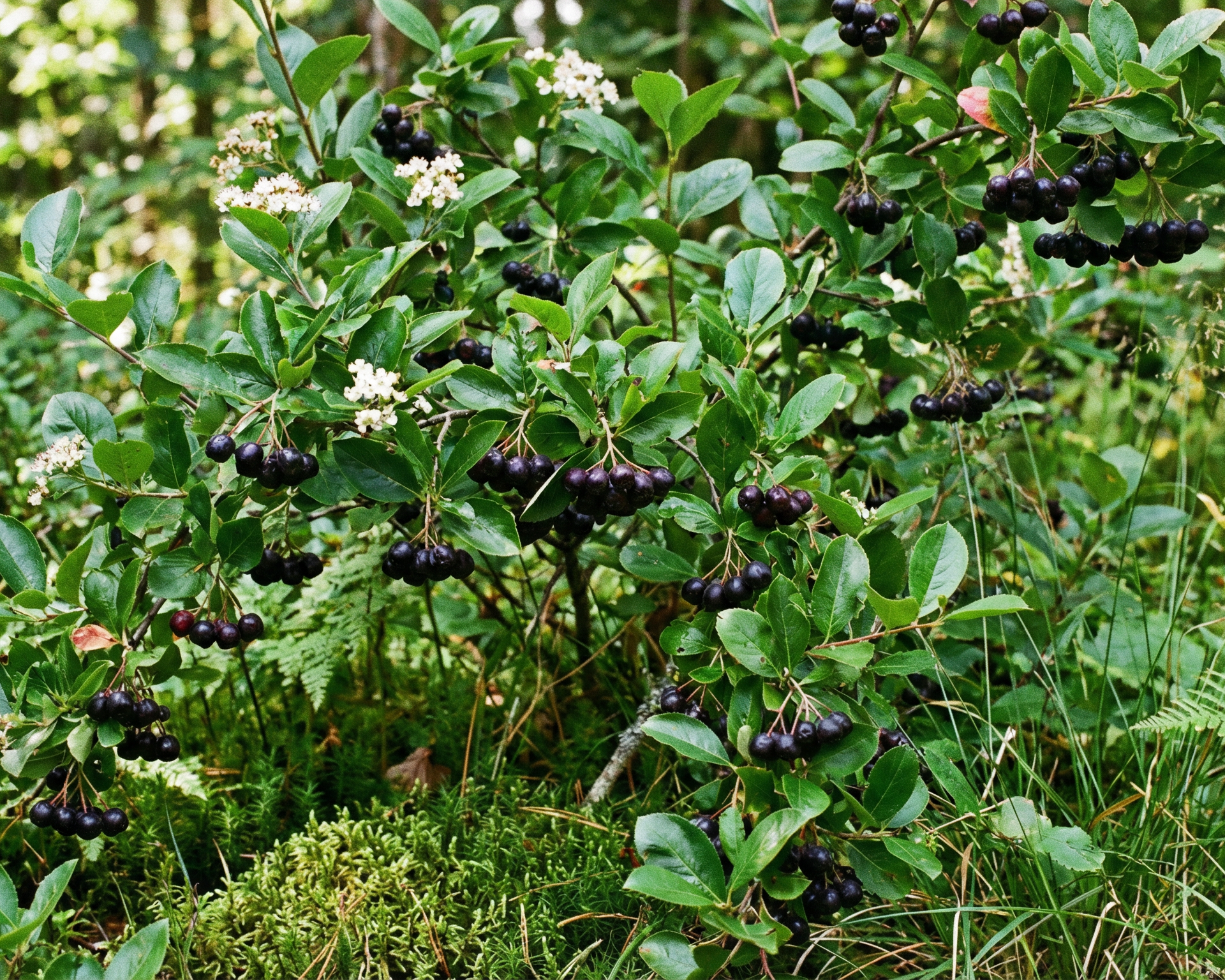
Aronia spp.
32 nurseries nationwide
32 nurseries · 106 matching options
Imlay City, MI
1 option
Catalog checked Sep 29, 2026. Confirm availability before visiting.
Black Chokeberry (18-24 in)
Variety not confirmed
$4.95
Logan, UT
2 options
Call for pricing
Catalog checked Oct 1, 2026. Confirm availability before visiting.
Rhinebeck, NY
1 option
Catalog checked Oct 4, 2026. Confirm availability before visiting.
Aronia arbutifolia | red chokeberry
Variety not confirmed
Call for pricing
Church Hill, MD
12 options
Call for pricing
Catalog checked Oct 4, 2026. Confirm availability before visiting.
Great Barrington, MA
5 options
From $59.99
Catalog checked Oct 1, 2026. Confirm availability before visiting.
Largo, FL
2 options
From $11.99
Catalog checked Oct 1, 2026. Confirm availability before visiting.
Lexington, SC
2 options
Call for pricing
Catalog checked Oct 1, 2026. Confirm availability before visiting.
Aiken, SC
1 option
Catalog checked Oct 1, 2026. Confirm availability before visiting.
Aronia arbutifolia 'Brilliantissima'
Variety not confirmed
Call for pricing
Showing 25–32 of 32 nurseries
Chokeberry (Aronia) Aronia, commonly known as chokeberry, is a genus of deciduous shrubs native to eastern North America. These resilient plants are typically found in wet woods and swamps and are increasingly popular in gardens and for commercial fruit production. The name "chokeberry" alludes to the astringent, sharp taste of the raw berries, which can cause a dry, puckering sensation in the mouth. Despite their tartness, chokeberries are highly valued for their nutritional and ornamental qualities. The shrubs are characterized by their clusters of white, five-petaled flowers that bloom in the spring, followed by dark, glossy leaves. In the autumn, the foliage turns a brilliant red, adding significant ornamental value to landscapes. The fruit, which ripens in late summer and early fall, can be red, purple, or black, depending on the species. Black chokeberry (Aronia melanocarpa) is the most common and is often cultivated for its fruit. Chokeberries are considered a "superfruit" due to their exceptionally high levels of antioxidants, particularly anthocyanins. These compounds are responsible for the dark color of the berries and are linked to various health benefits, including improved cardiovascular health, reduced inflammation, and a strengthened immune system. The berries are also a good source of vitamin C and fiber. While not typically eaten raw, they are used to make juices, jams, jellies, syrups, and wine. In permaculture, Aronia is valued for its hardiness, adaptability to various soil types, and its ability to attract pollinators and other beneficial insects.