Comfrey
Symphytum officinale
5 nurseries nationwide · 1 named varieties
Compare nurseries
Choose a city or ZIP to find nearby growers. Showing nationwide listings until you choose an area.
5 nurseries · 6 matching options
5 locations on the map. Select a marker or a nursery to compare.
Preparing the map…
Your location isn’t saved. Confirm availability and visiting hours with the nursery.
About Comfrey
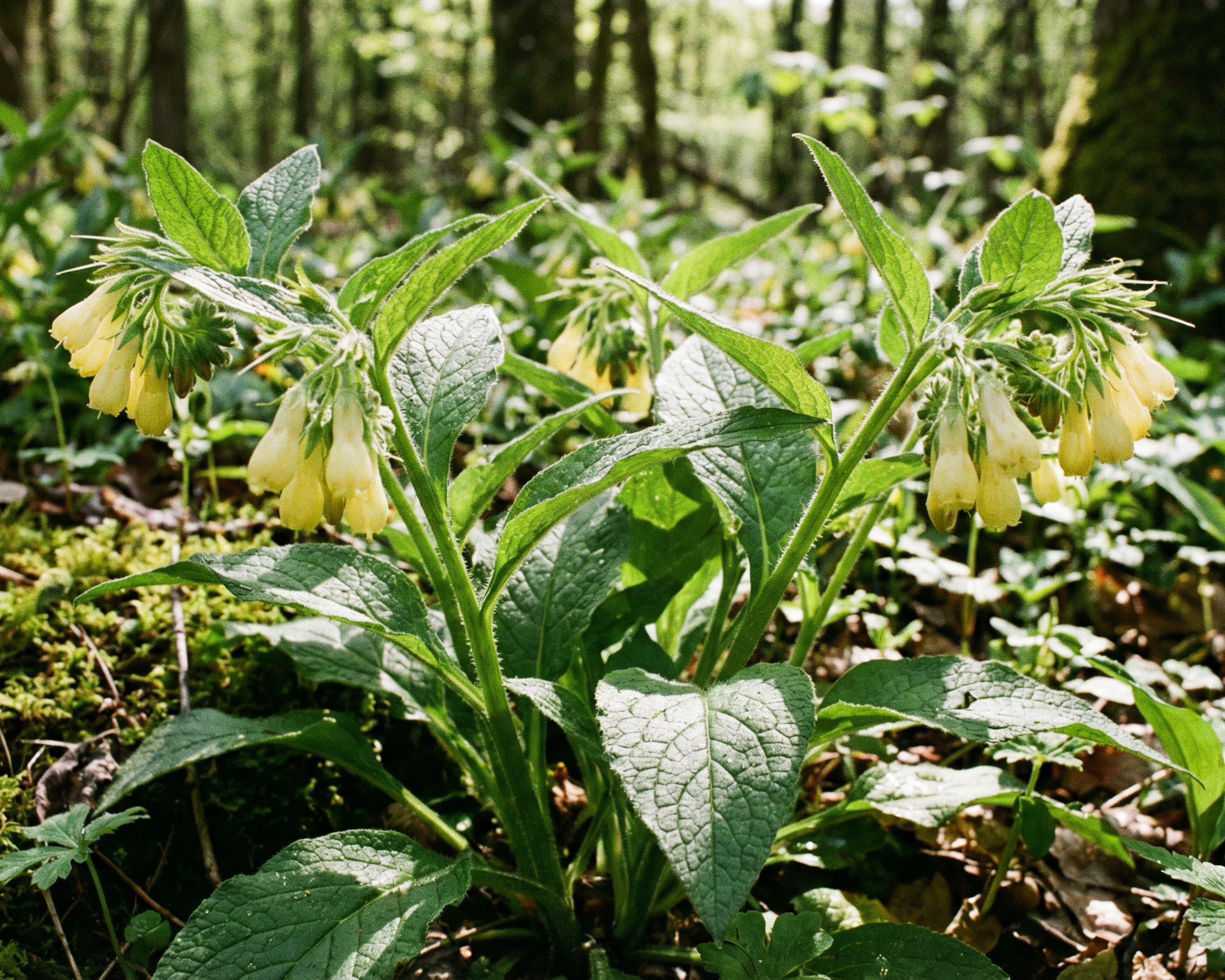
Comfrey is a genus of flowering plants in the borage family (Boraginaceae), known for its deep roots and historical use in traditional medicine. Native to Europe and Asia, this herbaceous perennial has been introduced to North America and other temperate regions, where it has naturalized in some areas. The name Symphytum is derived from the Greek words symphyo (to grow together) and phyton (plant), reflecting its traditional use in healing wounds and setting bones, which also gives it the common names "knitbone" and "boneset". Comfrey plants are characterized by their large, hairy, and coarse leaves, which can grow up to 8 inches long. The plants form clumps and have thick, tuberous roots that can penetrate deep into the soil. In late spring and early summer, they produce clusters of bell-shaped flowers that can be white, pink, purple, or blue. The stems of the plant are often winged, and the leaves are decurrent, meaning they extend down the stem from their point of attachment. Comfrey is a fast-growing plant and can spread aggressively, making it a good groundcover but also potentially weedy if not managed. Historically, comfrey has been a significant plant in herbal medicine, with both its leaves and roots used in poultices and ointments to treat a variety of external ailments, including sprains, bruises, and rashes. The plant contains allantoin, a compound that is thought to promote cell proliferation and wound healing. However, internal consumption of comfrey is now strongly discouraged due to the presence of pyrrolizidine alkaloids, which can cause serious liver damage. Beyond its medicinal uses, comfrey is a valuable plant in permaculture and organic gardening. Its deep roots draw nutrients from the subsoil, and its leaves can be used as a nutrient-rich mulch or added to compost piles. Comfrey is a hardy and easy-to-grow plant that thrives in full sun to partial shade. It prefers moist, fertile soils but is tolerant of a wide range of conditions, including clay soils and drought. In hotter climates, some afternoon shade is beneficial. Due to its tendency to spread, it is often recommended to plant comfrey in a contained area or a large pot. Propagation is easily achieved through root cuttings, division, or seeds. While generally pest-resistant, slugs and snails may occasionally damage the foliage.
Plant facts
- Sun
- Full Sun, Partial Sun, Partial Shade
- Water
- Regular, High
- USDA zones
- 3-9
- Lifecycle
- Perennial
Variety guides
Explore the complete plant collection, including varieties with no nursery listings yet.