Wei Gardens
Black Creek, WI
1 option
Catalog checked Oct 4, 2026. Confirm availability before visiting.
Coriander Sativum 'Slow Bolt' (3.5")
Variety not confirmed
Ask about sizesCall for pricing
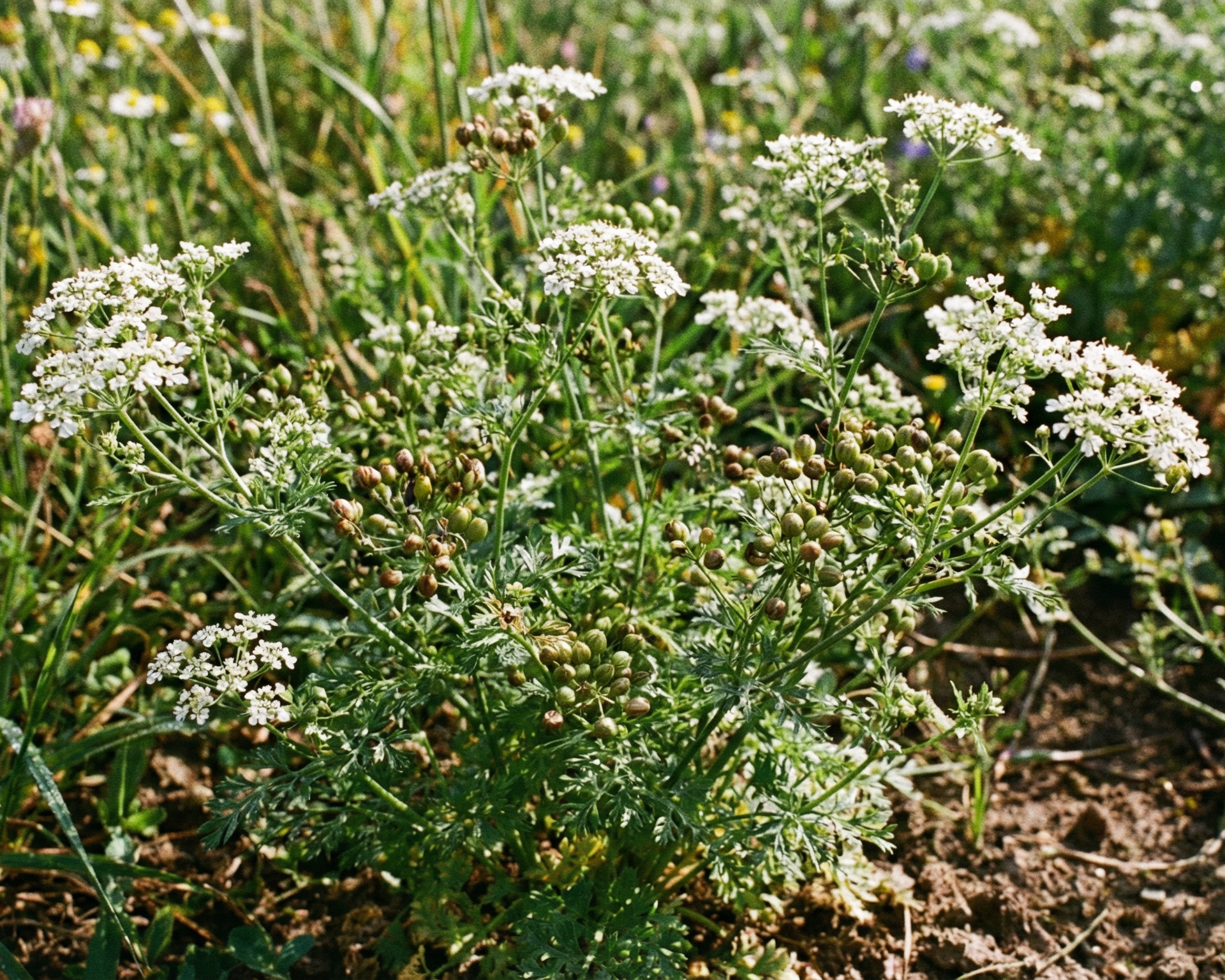
Coriandrum sativum
12 nurseries nationwide
Choose a city or ZIP to find nearby growers. Showing nationwide listings until you choose an area.
12 nurseries · 16 matching options
Black Creek, WI
1 option
Catalog checked Oct 4, 2026. Confirm availability before visiting.
Coriander Sativum 'Slow Bolt' (3.5")
Variety not confirmed
Call for pricing
Tampa, FL
2 options
Call for pricing
Catalog checked Oct 1, 2026. Confirm availability before visiting.
Hawley, MA
1 option
Catalog checked Oct 1, 2026. Confirm availability before visiting.
Cilantro
Variety not confirmed
$5.00
Lexington, SC
1 option
Catalog checked Oct 1, 2026. Confirm availability before visiting.
Cilantro
Variety not confirmed
Call for pricing
Showing 9–12 of 12 nurseries
Coriandrum is a genus of aromatic herbs belonging to the carrot family, Apiaceae. The most well-known and widely cultivated species within this genus is Coriandrum sativum, from which the popular culinary ingredients coriander and cilantro are derived. While the genus also includes the wild species Coriandrum tordylium, it is C. sativum that has gained global significance. The name "coriander" typically refers to the seeds of the plant, which are used as a spice, while "cilantro" refers to its fresh leaves and stems, which are used as an herb. This distinction is most common in North America, but the names are often used interchangeably in other parts of the world. Coriandrum sativum is a fast-growing annual plant that can reach up to 2 feet in height. It features finely-divided, feathery upper leaves and broader, parsley-like lower leaves. The plant produces small, delicate flowers that range in color from white to pale pink or lavender, arranged in compound umbels. Following the flowering stage, the plant develops small, globular fruits, or seeds, which are initially green and turn brownish-yellow as they ripen. A notable characteristic of the plant is its strong aroma; the unripe fruits and leaves have a pungent, sometimes described as unpleasant, smell for some individuals, which mellows into a warm, spicy, and citrusy fragrance as the seeds mature and dry. The culinary applications of Coriander are vast and varied across different cultures. All parts of the plant are edible, from the roots to the seeds. The fresh leaves (cilantro) are a staple in Mexican and Southeast Asian cuisines, adding a fresh, pungent flavor to salsas, curries, and soups. The dried seeds are a common spice used whole or ground in Indian, Middle Eastern, and Latin American cooking, providing a warm, aromatic flavor to sausages, stews, and baked goods. Beyond its culinary uses, coriander has a long history in traditional medicine, including Ayurveda, where it has been used for its digestive and anti-inflammatory properties. Its historical significance is underscored by its mention in ancient texts and its discovery in Egyptian tombs, where it was referred to as the "spice of happiness".
Explore the complete plant collection, including varieties with no nursery listings yet.