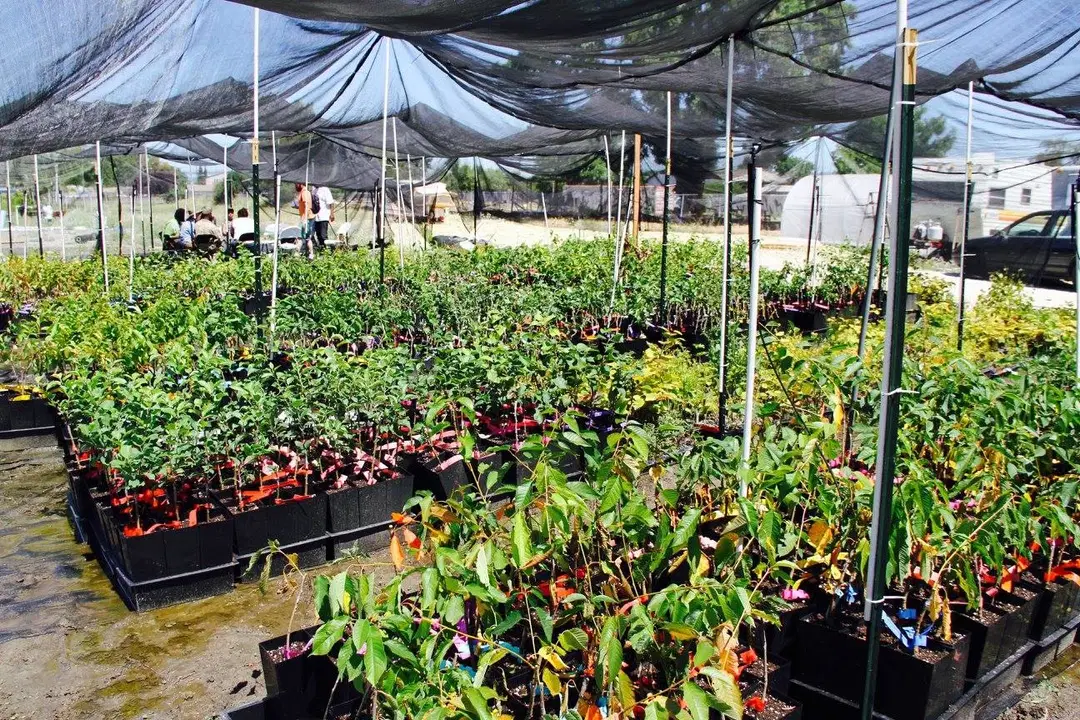
 On site
Planting Justice
Oakland, CA
26options
Listed as “Blackdown Black Currant (Ribes nigrum)”
Variety not confirmed1 galOne of 26 nursery listingsCall for pricing
Catalog checked Nov 15, 2026. Confirm availability before visiting.
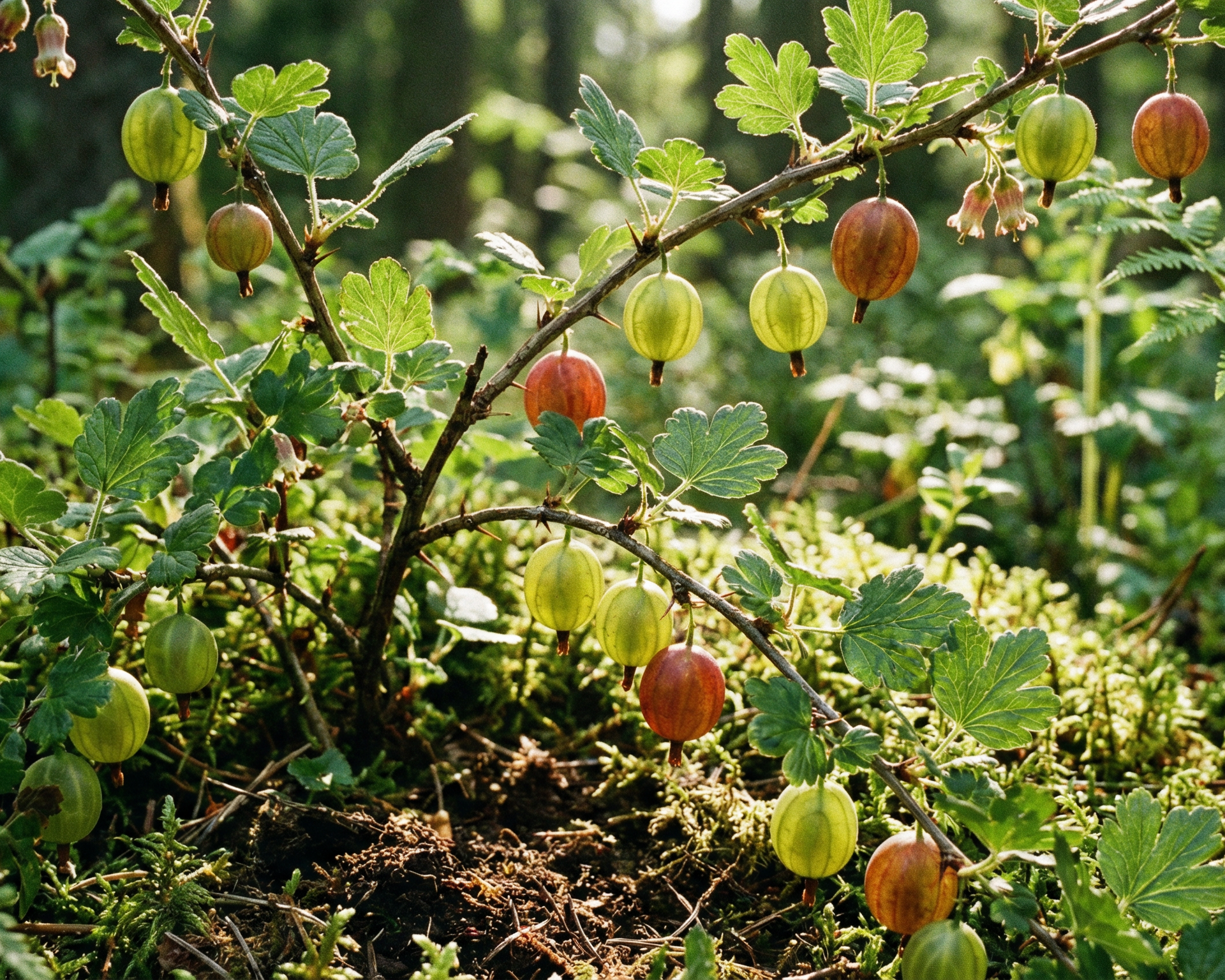
Ribes spp.
The genus Ribes is a diverse group of about 200 species of flowering shrubs, best known for producing the popular fruits gooseberries and currants. Read more
23 nurseries · 170 matching options
On siteOakland, CA
26options
Listed as “Blackdown Black Currant (Ribes nigrum)”
Call for pricing
Catalog checked Nov 15, 2026. Confirm availability before visiting.
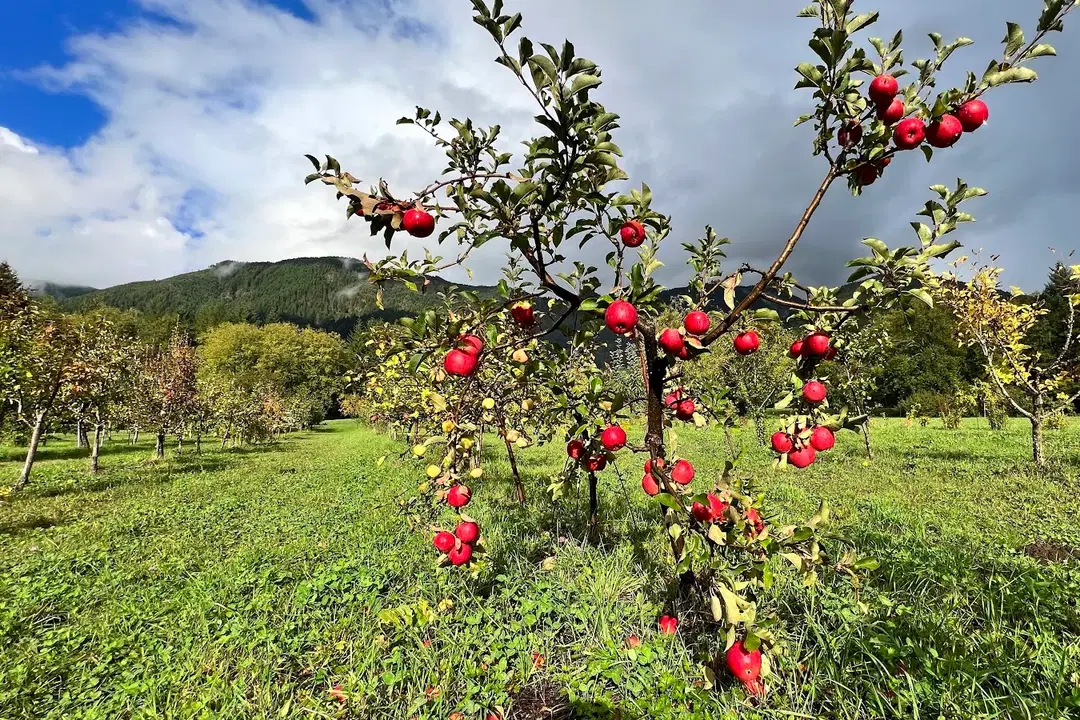 On site
Morton, WA
25options
Listed as “Kantata 50 Black Currant”
Call for pricing
Catalog checked Nov 15, 2026. Confirm availability before visiting.
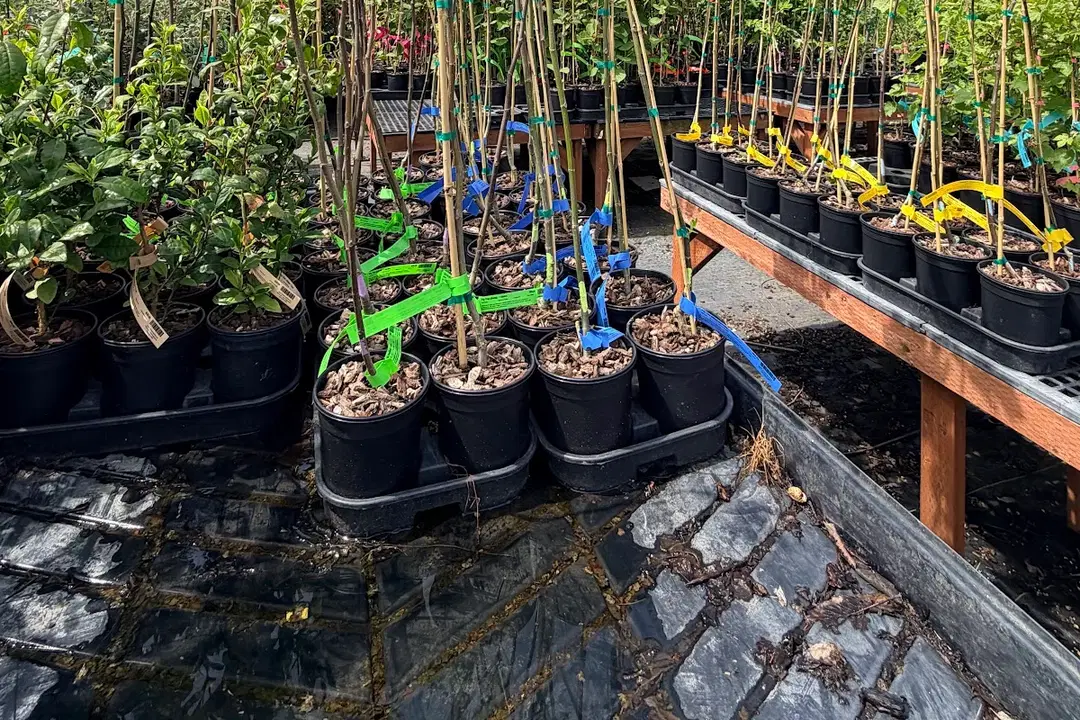 On site
Enumclaw, WA
12options
Listed as “Black Currant (Blackdown)”
Call for pricing
Catalog checked Sep 29, 2026. Confirm availability before visiting.
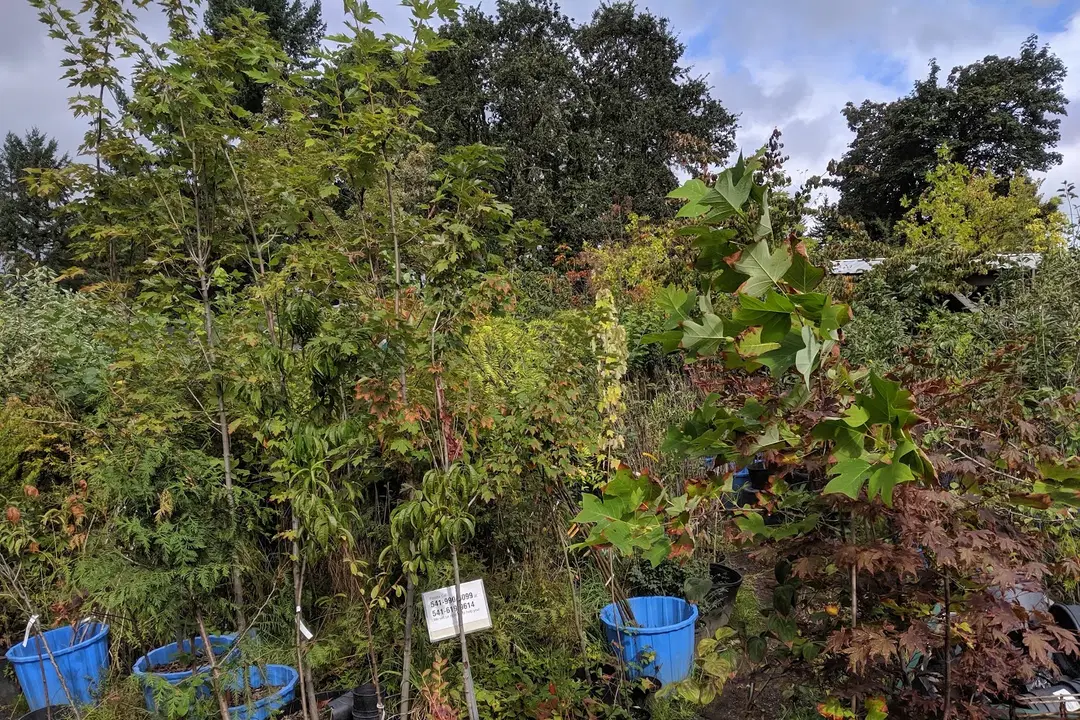 On site
Albany, OR
5options
Listed as “Wilder Red Currant (Ribes rubrum 'Wilder')”
Call for pricing
Varieties:Wilder
Catalog checked Nov 15, 2026. Confirm availability before visiting.
 On site
Logan, UT
3options
Listed as “Ribes alpinum (Alpine Currant)”
Call for pricing
Catalog checked Oct 1, 2026. Confirm availability before visiting.
 On site
Montclair, CA
1option
Listed as “Golden Currant - Ribes aureum”
Call for pricing
Catalog checked Nov 15, 2026. Confirm availability before visiting.
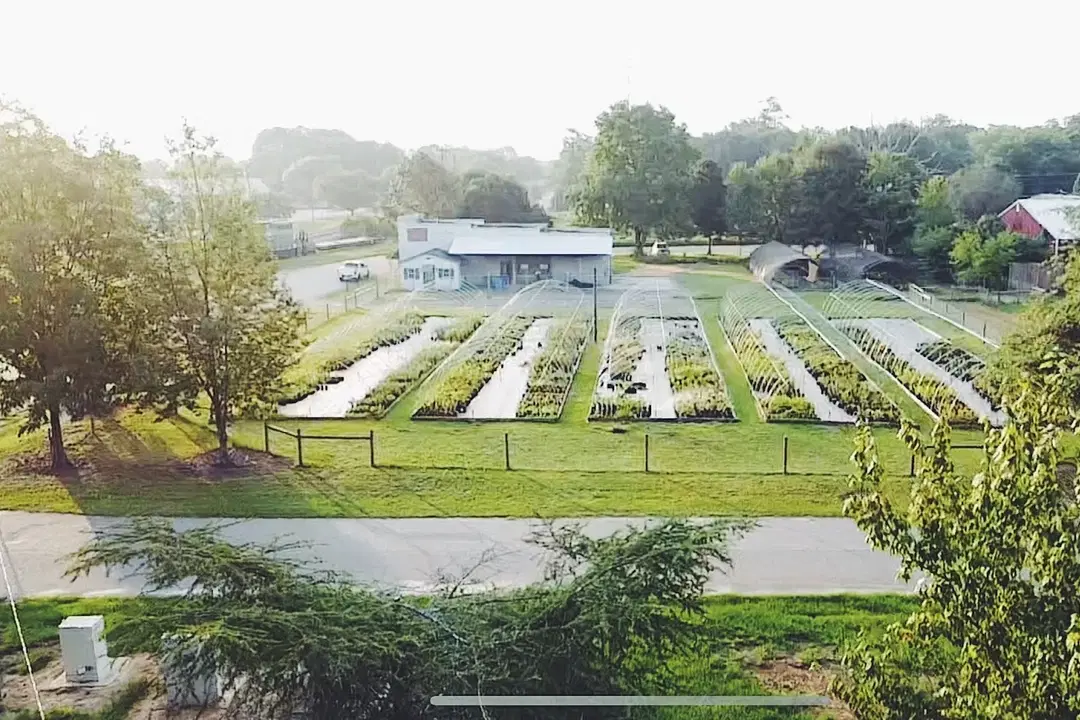 On site
Aiken, SC
1option
Listed as “Ribes curvatum”
Call for pricing
Catalog checked Nov 15, 2026. Confirm availability before visiting.
Showing 17 to 23 of 23 nurseries
Explore the complete plant collection, including varieties with no nursery listings yet.
Not yet listed: Bar-Le-Duc, Blackdown, Champagne, Cherry Red, Gloire Des Sablons, Imperial White, Kantata 50, Red Lake, Stephens No. 9, Swedish Black, White Grape, White Pearl, Zitavia
0 nurseries listed
The genus Ribes is a diverse group of about 200 species of flowering shrubs, best known for producing the popular fruits gooseberries and currants. It is the sole genus in the family Grossulariaceae and is native to temperate regions of the Northern Hemisphere, with some species extending into the mountainous areas of South America. The plants in this genus are widely cultivated for their edible berries, which include blackcurrants, redcurrants, whitecurrants, and a variety of gooseberries. Beyond their agricultural significance, many Ribes species are also valued as ornamental plants in gardens and landscapes.
Ribes species are typically medium-sized, deciduous or evergreen shrubs. They have palmately lobed leaves, resembling those of a maple tree, and their stems can be smooth or thorny, depending on the species. The flowers, which can be inconspicuous or showy, are often arranged in clusters called racemes. The sepals are typically larger and more colorful than the petals. The inferior ovary of the flower develops into a berry, which can vary in color, size, shape, and flavor, from the tartness of redcurrants to the rich, musky sweetness of blackcurrants and the unique flavor profiles of gooseberries.
Historically, currants and gooseberries have been a significant food source, particularly in Europe and North America. The berries are rich in vitamin C and other antioxidants and are used to make jams, jellies, juices, pies, and other culinary creations. Blackcurrant cordial, known as Ribena, is a popular beverage in the United Kingdom. In addition to their culinary uses, some Ribes species have been used in traditional medicine. For example, Blackfoot people used blackcurrant root for kidney and menstrual problems. In permaculture, Ribes are valued for their ability to produce fruit in partial shade, making them a useful addition to forest gardens and other layered planting systems.
Most Ribes species are hardy and relatively easy to grow, preferring cool, moist, and well-drained soil. They thrive in full sun to partial shade and benefit from a layer of mulch to keep the soil cool and retain moisture. Pruning is important for maintaining plant health and productivity and involves removing old, unproductive wood to encourage new growth. While generally robust, Ribes can be susceptible to pests and diseases such as powdery mildew, aphids, and white pine blister rust. The cultivation of some Ribes species is restricted in certain areas of the United States to prevent the spread of this rust to white pines.