Cricket Hill Garden
Thomaston, CT
39 options
Call for pricing
Catalog checked Oct 4, 2026. Confirm availability before visiting.
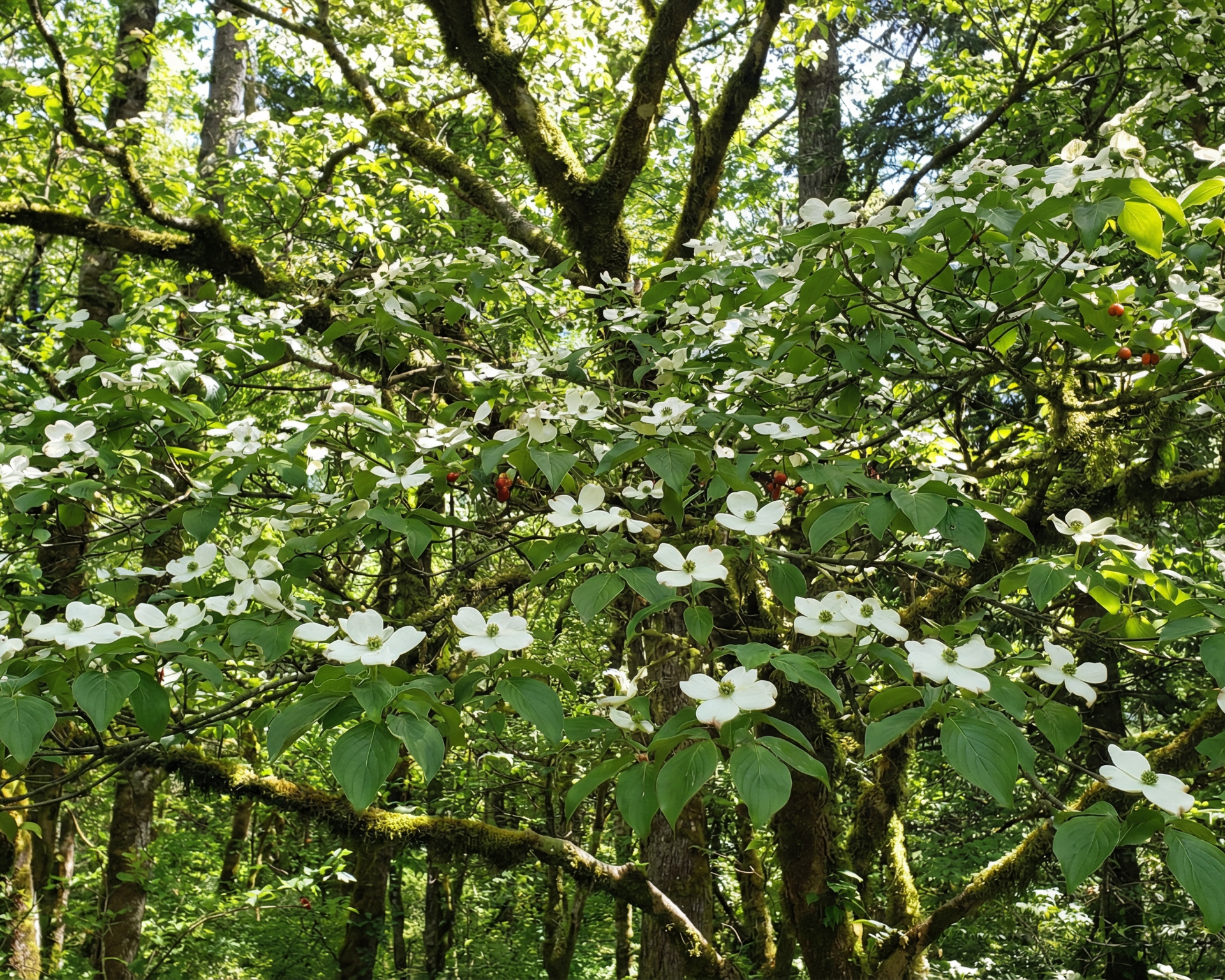
Cornus spp.
53 nurseries listed
53 nurseries · 603 matching options
Thomaston, CT
39 options
Call for pricing
Catalog checked Oct 4, 2026. Confirm availability before visiting.
Bolton, CT
9 options
From $70.00
Catalog checked Oct 1, 2026. Confirm availability before visiting.
Laingsburg, MI
1 option
From $7.50
Catalog checked Oct 1, 2026. Confirm availability before visiting.
New Canaan, CT
1 option
From $112.00
Catalog checked Oct 1, 2026. Confirm availability before visiting.
Vassalboro, ME
11 options
Call for pricing
Catalog checked Oct 4, 2026. Confirm availability before visiting.
McMinnville, TN
14 options
Call for pricing
Catalog checked Oct 1, 2026. Confirm availability before visiting.
Mukwonago, WI
3 options
Call for pricing
Catalog checked Oct 1, 2026. Confirm availability before visiting.
Cedarburg, WI
6 options
From $81.99
Catalog checked Sep 29, 2026. Confirm availability before visiting.
Showing 9–16 of 53 nurseries
Load more nurseriesDogwood is the common name for the genus Cornus, a group of about 30-60 species of woody plants in the family Cornaceae. This diverse genus includes deciduous trees, shrubs, and even a few herbaceous perennials. Dogwoods are celebrated for their year-round ornamental value, from the showy bracts that surround their flowers in the spring to their vibrant fall foliage and colorful winter stems. Native to temperate and boreal regions of Eurasia and North America, with a particularly high concentration of species in China, Japan, and the southeastern United States, dogwoods are a familiar and beloved presence in many gardens and natural landscapes. The key characteristics of dogwoods include their simple, untoothed leaves with distinctive veins that curve as they approach the leaf margins. Most species have opposite leaves, though a few have alternate leaves. The 'flowers' of many popular dogwood species are actually composed of small, inconspicuous true flowers clustered together and surrounded by large, petal-like bracts in shades of white, pink, or red. The fruits are drupes, often brightly colored, which are a food source for many birds and other wildlife. While the fruit of some species, such as the flowering dogwood (Cornus florida), is not for human consumption, others, like the Kousa dogwood (Cornus kousa) and the Cornelian cherry (Cornus mas), produce edible fruits that are used in jams, jellies, and syrups. Dogwoods have a wide range of uses and cultural significance. Horticulturally, they are prized as ornamental plants, with many cultivars developed for their stunning floral displays, fall color, and interesting bark. The dense, fine-grained wood of some dogwood species is highly valued for making tool handles, shuttles for looms, and other small, durable items. In traditional medicine, the bark of some species has been used as a substitute for quinine. Certain species, like the Japanese cornel (Cornus officinalis), are used in traditional Chinese medicine. In terms of cultivation, dogwoods generally prefer humusy, well-drained, acidic to neutral soils and thrive in full sun to partial shade. They appreciate regular watering, especially during hot summers. Many modern cultivars have been bred for improved disease resistance, making them a more resilient choice for home gardens. With their adaptability and four-season interest, dogwoods are a versatile and rewarding addition to any landscape.
Explore the complete plant collection, including varieties with no nursery listings yet.