Elephant Ear
Alocasia spp.
14 nurseries nationwide
Compare nurseries
Nurseries with recorded shipping, across all locations. Confirm delivery to your address and availability on the nursery website.
No nursery options match these filters
Try another size or variety, or broaden your location. Options with unconfirmed variety names are included when All varieties is selected.
About Elephant Ear
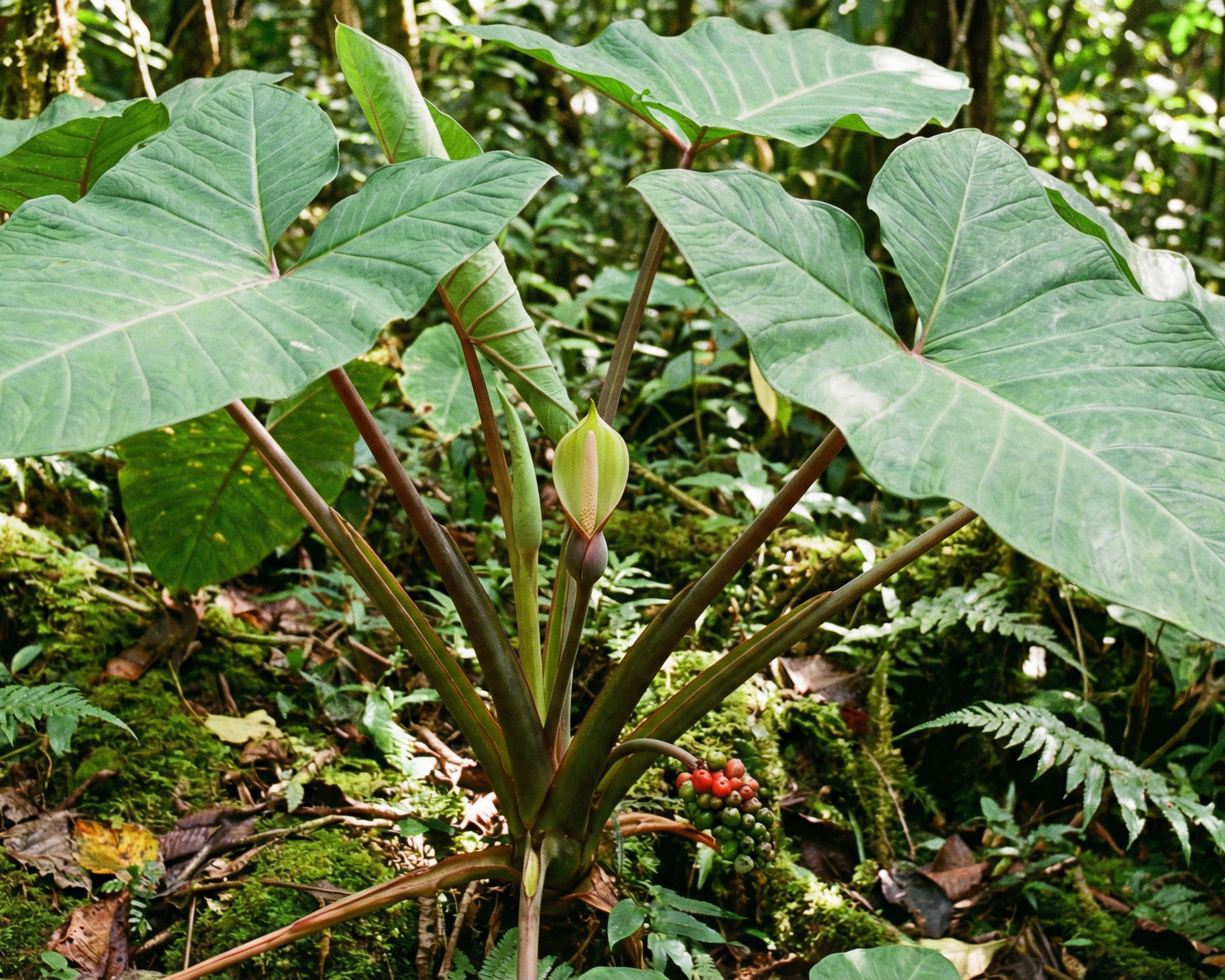
The genus Alocasia, commonly known as Elephant Ear, is a group of broad-leaved, perennial flowering plants belonging to the Araceae family. Native to tropical and subtropical regions of Asia and eastern Australia, this genus comprises over 90 accepted species. These plants are widely cultivated worldwide as ornamentals, prized for their dramatic foliage. While some species are referred to as "Taro," this name is more commonly associated with the related genus Colocasia. The most prevalent common name for the Alocasia group is Elephant Ear, a nod to the characteristically large, heart or arrow-shaped leaves. Alocasias are characterized by their striking leaves, which can grow from 8 to 35 inches long, supported by long petioles. The foliage varies significantly across species in terms of size, shape, color, and veining. These plants grow from rhizomes or tubers and can reach impressive heights of up to 10 feet in their native habitats, although they typically remain smaller when cultivated as houseplants. The flowers of Alocasia are not particularly conspicuous, often hidden behind the leaf petioles. It is crucial to note that all parts of the Alocasia plant contain calcium oxalate crystals, which are toxic if ingested raw, causing irritation and swelling of the mouth and throat. The primary significance of the Alocasia genus is its ornamental value. With their exotic and architectural foliage, they are popular as houseplants and are often used in interior design to create a tropical ambiance. In warmer climates, they are also utilized in outdoor landscaping in beds, borders, and containers. While the corms of some species can be processed to become edible, this is not a common practice due to the plant's toxicity. Their care involves providing bright, indirect light, high humidity, and consistent moisture, mimicking their native rainforest environment.
Plant facts
- Sun
- Partial Sun, Partial Shade
- Water
- Likes Wet Feet, Regular
- USDA zones
- 8-11
- Lifecycle
- Perennial