Plant Material
Los Angeles, CA
2 options
Call for pricing
Catalog checked Oct 4, 2026. Confirm availability before visiting.
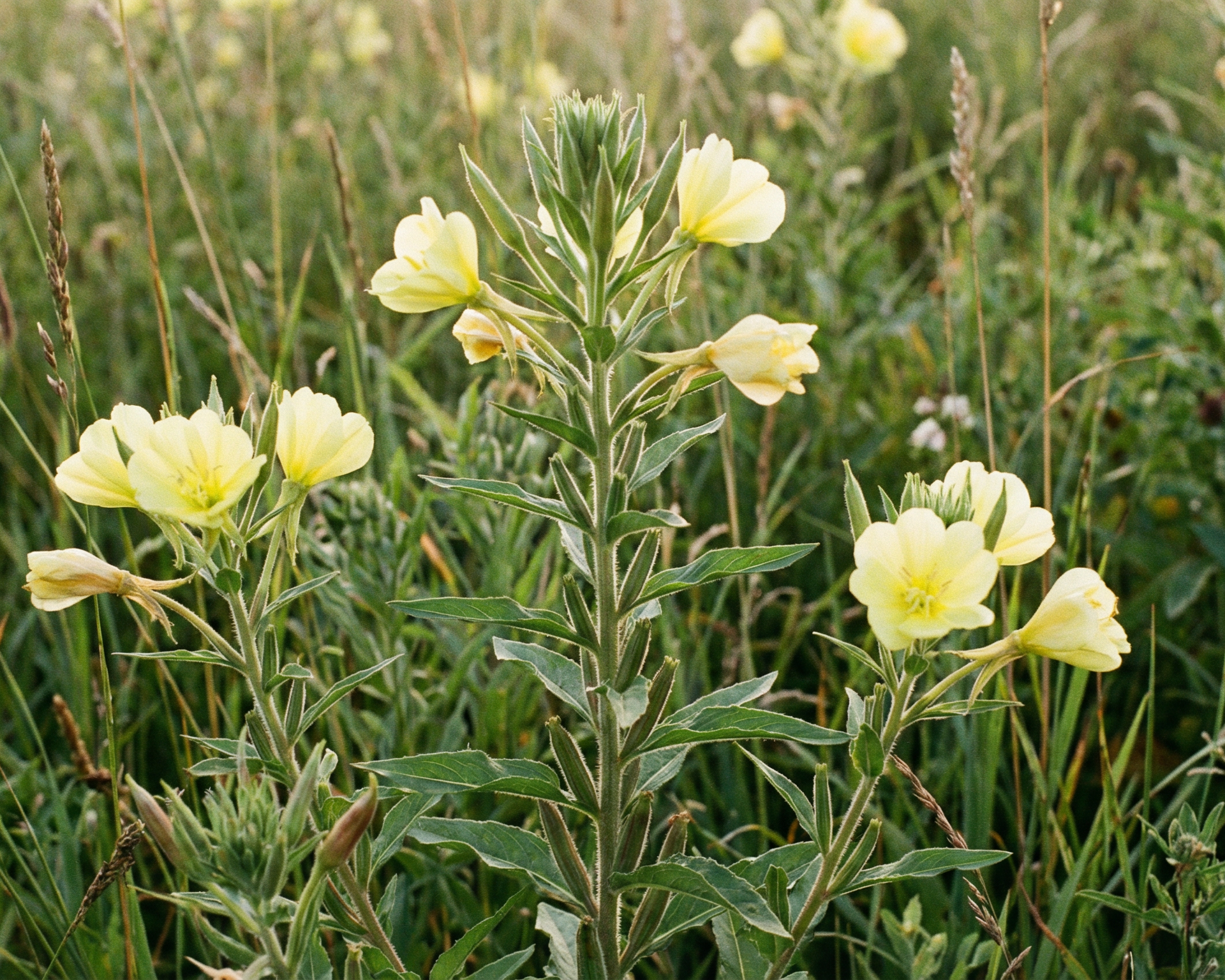
Oenothera spp.
13 nurseries listed
13 nurseries · 25 matching options
Los Angeles, CA
2 options
Call for pricing
Catalog checked Oct 4, 2026. Confirm availability before visiting.
Rhinebeck, NY
6 options
Call for pricing
Catalog checked Oct 4, 2026. Confirm availability before visiting.
Church Hill, MD
3 options
Call for pricing
Catalog checked Oct 4, 2026. Confirm availability before visiting.
Great Barrington, MA
1 option
From $39.99
Catalog checked Oct 1, 2026. Confirm availability before visiting.
Largo, FL
2 options
From $3.99
Catalog checked Oct 1, 2026. Confirm availability before visiting.
Showing 9–13 of 13 nurseries
Oenothera, most commonly known as Evening Primrose, is a large genus of about 145 species of herbaceous flowering plants native to the Americas. It is the type genus of the family Onagraceae. While some species are known as suncups and sundrops, Evening Primrose is the most widely recognized common name for the genus. These plants are not closely related to true primroses (genus Primula). The genus originated in Mexico and Central America and has since spread throughout North and South America. With international travel, many species have naturalized in temperate regions worldwide, with about 70 species introduced in Europe alone. The species in the Oenothera genus vary significantly in size, from small alpine plants around 10 centimeters tall to vigorous lowland species that can grow up to 3 meters. The leaves form a basal rosette at ground level and spiral up the flowering stems. The flowers of most species open in the evening, which is the origin of the common name "evening primrose." These flowers are typically yellow, but can also be white, purple, pink, or red. A distinctive feature of the Oenothera flower is its stigma, which has four branches in an X-shape. The flowers are primarily pollinated by night-flying insects like moths, which are attracted to their fragrance. Evening primrose has a history of culinary and medicinal uses. The roots of some species, like Oenothera biennis, are edible when the plant is young, and the flowers have a sweet taste. The seed oil of Oenothera biennis is rich in gamma-linolenic acid and is sold as a dietary supplement. However, there is no high-quality scientific evidence to support the claims that it has significant effects on human diseases or health. All parts of the plant were once used as food by Native Americans. In modern cultivation, several perennial species are used in landscaping, especially in the southwestern United States. Annual evening primroses are also popular ornamental plants in gardens due to their drought resistance. Evening primrose plants are generally easy to grow. They thrive in average, medium moisture, well-drained soils in full sun, but can tolerate some partial shade and drought. They do well in gravelly or sandy soils and can spread through self-seeding. Good winter drainage is essential for their growth. They are suitable for wildflower gardens, cottage gardens, and herb gardens. While generally hardy, they can be susceptible to leaf spot and powdery mildew.