Fescue
2 nurseries listed
Compare nurseries
Nurseries with recorded shipping, across all locations. Confirm delivery to your address and availability on the nursery website.
1 nursery · 1 matching option
1 location on the map. Select a marker or a nursery to compare.
Preparing the map…
Your location isn’t saved. Confirm availability and delivery area with the nursery.
About Fescue
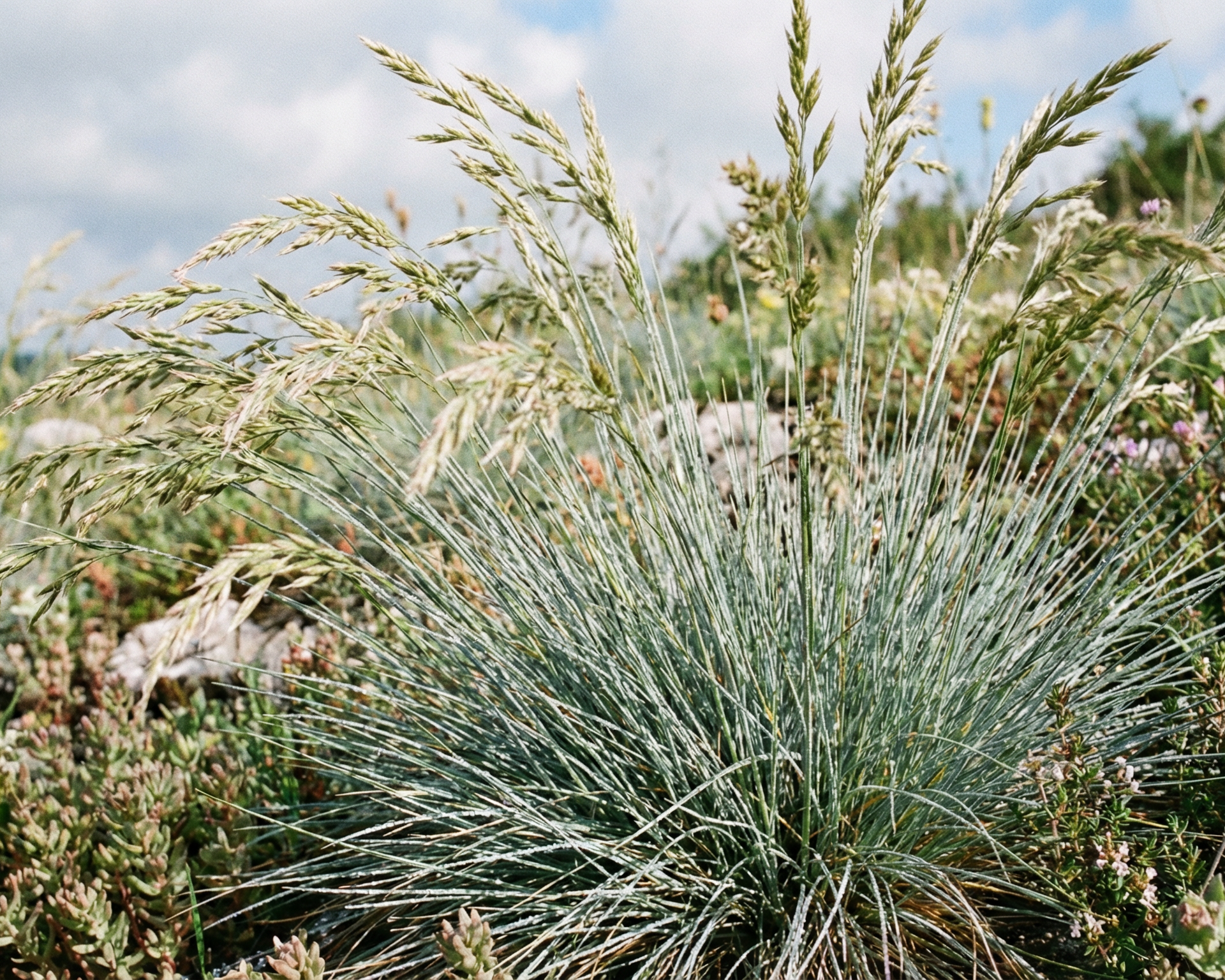
Festuca, commonly known as Fescue, is a large and diverse genus of perennial, clump-forming grasses belonging to the Poaceae family. With hundreds of species distributed across the temperate and cold regions of the world, fescues are one of the most common and recognizable groups of grasses. They are characterized by their fine, narrow leaf blades and tufted growth habit, forming dense clumps that can range in color from deep green to striking shades of blue-gray. The genus includes species adapted to a wide variety of habitats, from meadows and woodlands to alpine slopes and coastal dunes, reflecting its significant ecological adaptability. The key characteristics of fescues include their typically fibrous and dense root systems, which make them excellent for soil stabilization and erosion control. Their leaves are often rolled or folded, giving them a bristle-like appearance. The flowers are small and inconspicuous, borne in panicles that rise above the foliage. While many fescues are evergreen or semi-evergreen, their appearance can vary significantly between species. For example, the popular ornamental blue fescue (Festuca glauca) is prized for its silvery-blue foliage and compact, mounding form, while tall fescue (Festuca arundinacea) is a much larger and more robust grass with broader, dark green leaves. Fescues have a wide range of uses and are of considerable economic and ecological importance. Many species, such as tall fescue and the fine fescues (including creeping red fescue, Chewings fescue, and hard fescue), are extensively cultivated for lawns, athletic fields, and golf courses due to their durability, drought tolerance, and low maintenance requirements. They are also important forage grasses for livestock in many parts of the world. In horticulture, ornamental varieties are valued for their texture and color, providing year-round interest in rock gardens, borders, and as groundcovers. However, it is worth noting that some fescue species can become invasive in certain environments, outcompeting native vegetation. Most fescue species thrive in full sun to light shade and are adaptable to a variety of soil conditions, although they generally perform best in well-drained soils. They are known for their resilience and ability to tolerate a range of environmental stresses, including drought and low fertility. Care requirements are generally minimal, particularly for ornamental types, which often only need occasional division to maintain their vigor. For lawn applications, fescues are considered cool-season grasses, meaning they grow most actively in the spring and fall and may go dormant during the heat of the summer. While generally hardy, they can be susceptible to fungal diseases in hot and humid climates if not managed properly.