Greater galangal
Alpinia galanga
5 nurseries nationwide
Compare nurseries
Nurseries with recorded shipping, across all locations. Confirm delivery to your address and availability on the nursery website.
2 nurseries · 3 matching options
2 locations on the map. Select a marker or a nursery to compare.
Preparing the map…
Your location isn’t saved. Confirm availability and delivery area with the nursery.
About Greater galangal
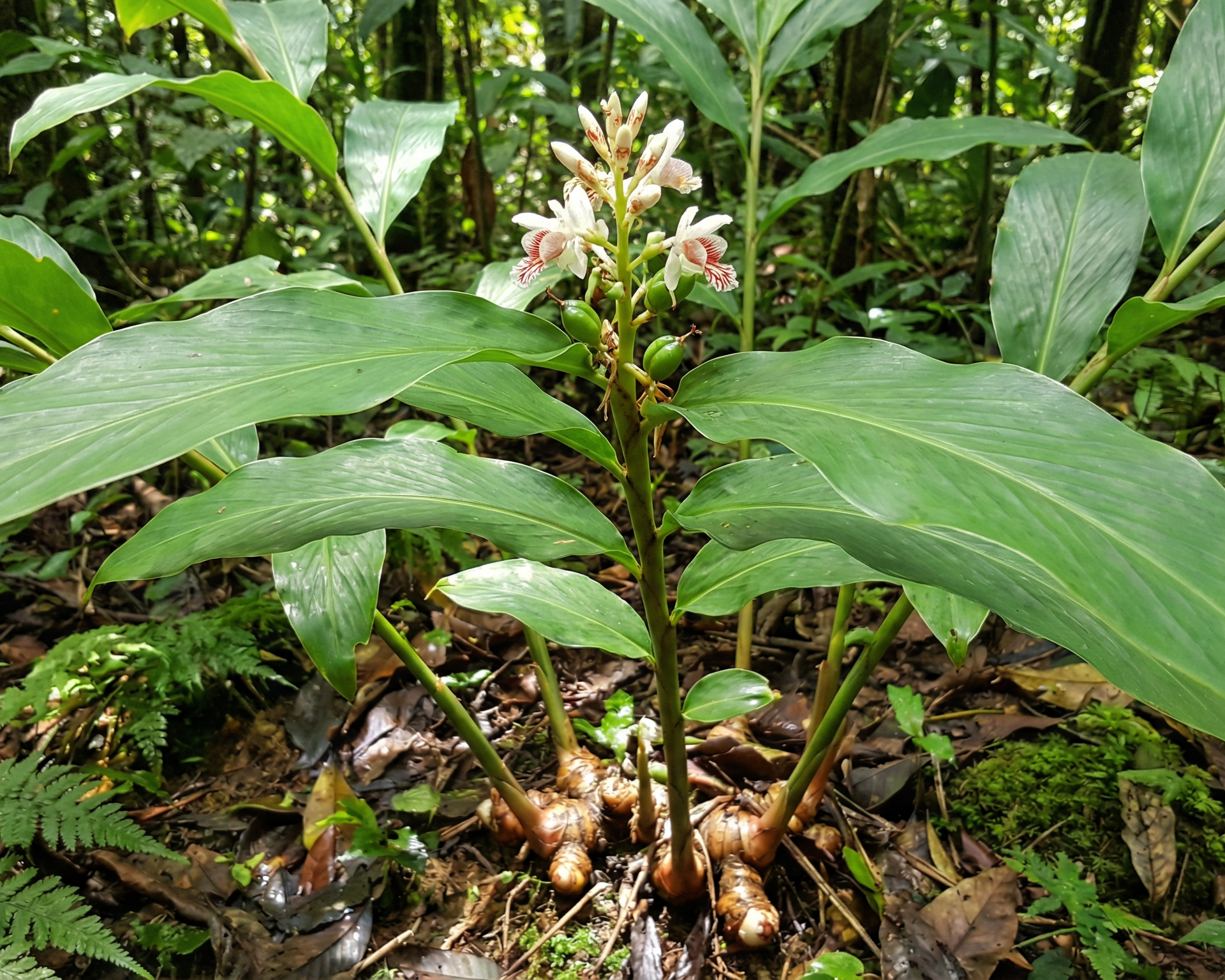
Alpinia is a diverse genus of flowering plants in the ginger family, Zingiberaceae, comprising nearly 300 species native to Asia, Australia, and the Pacific Islands. While the genus as a whole is sometimes referred to as "shell ginger," several species are individually well-known for their culinary and ornamental uses. The most prominent of these is Alpinia galanga, commonly known as Galangal or Siamese ginger, a staple ingredient in many Southeast Asian cuisines. Other notable species include the ornamental Alpinia zerumbet (Shell Ginger) and Alpinia purpurata (Red Ginger). Plants in the genus Alpinia are herbaceous perennials that grow from thick, fleshy rhizomes, similar to those of culinary ginger. They feature pseudostems, formed by the overlapping of leaf sheaths, which can range in height from a few feet to over 20 feet in some species. The leaves are typically lance-shaped and can be quite large, creating a lush, tropical appearance. The flowers, which grow in showy inflorescences, are often fragrant and vary in color from white and pink to red and yellow. The name "shell ginger" is derived from the resemblance of the flower buds of some species to seashells. Many species of Alpinia hold significant cultural and economic value. Alpinia galanga is highly prized for its aromatic rhizome, which has a pungent, peppery flavor and is a key ingredient in Thai, Indonesian, and Malaysian dishes. Other species, such as Alpinia zerumbet and Alpinia purpurata, are widely cultivated as ornamental plants in tropical and subtropical gardens for their attractive foliage and vibrant, long-lasting flowers. Some species also have a history of use in traditional medicine. Alpinia species thrive in warm, humid climates and are best grown in rich, moist, well-drained soil. They generally prefer partial shade but can tolerate full sun if provided with adequate moisture. These plants are not frost-tolerant and, in cooler climates, are often grown as annuals or in containers that can be brought indoors during the winter. They are relatively low-maintenance, but regular watering and fertilization during the growing season will promote vigorous growth and flowering.
Plant facts
- Sun
- Full Sun, Partial Sun, Partial Shade
- Water
- Regular
- USDA zones
- 8-11
- Lifecycle
- Perennial