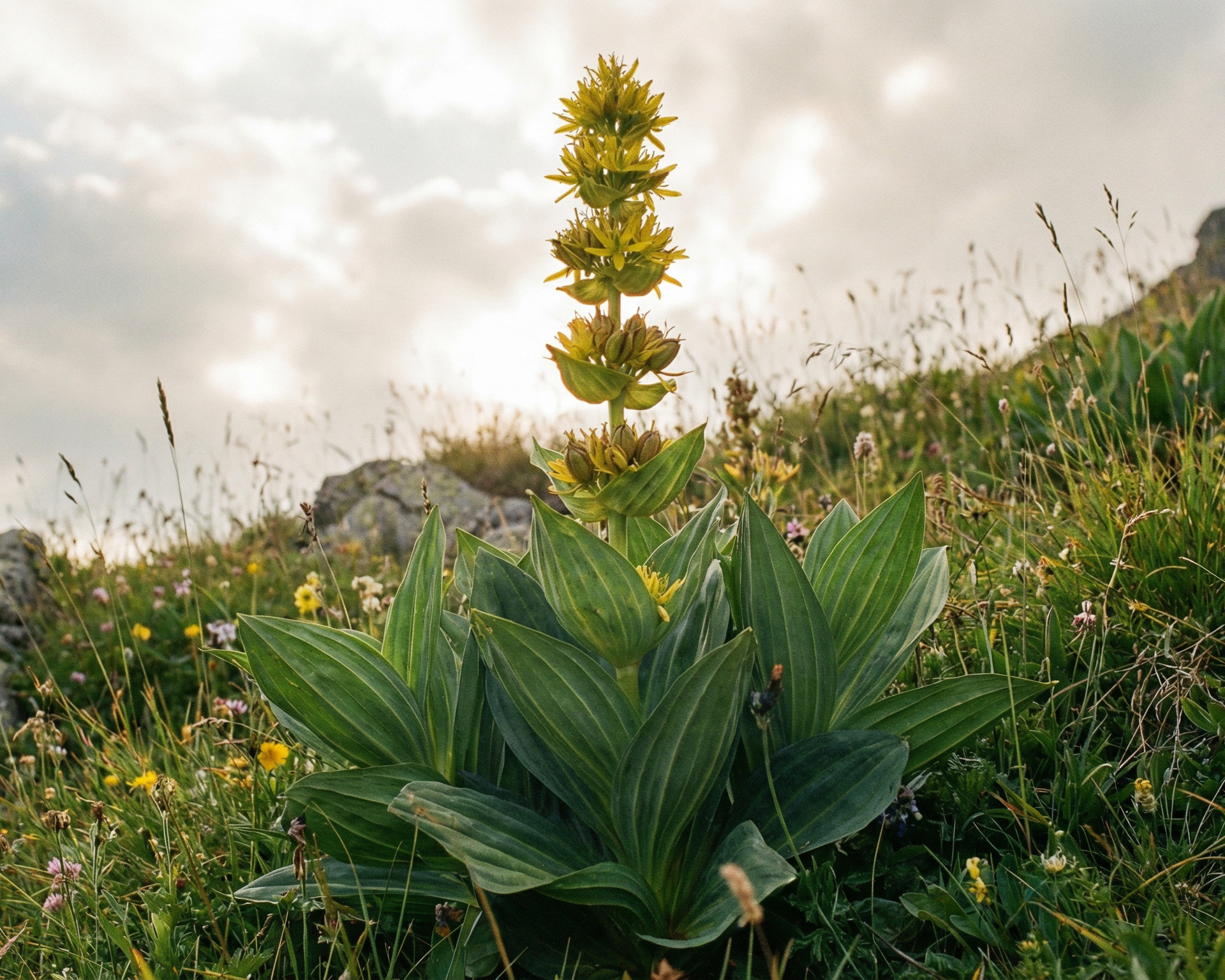
Gentian
Gentiana spp.
5 nurseries listed
Compare nurseries
5 nurseries · 8 matching options
5 locations on the map. Select a marker or a nursery to compare.
Preparing the map…
Your location isn’t saved. Confirm availability and visiting hours with the nursery.
About Gentian
Gentian Overview and Introduction The genus Gentiana, commonly known as Gentian, is a large and diverse group of flowering plants belonging to the gentian family (Gentianaceae). Comprising over 400 species, the genus is named in honor of Gentius, an ancient Illyrian king who is believed to have discovered the medicinal properties of these plants. Gentians are found across the globe, thriving in the temperate and alpine regions of Asia, Europe, and the Americas, with some species also present in northwestern Africa, eastern Australia, and New Zealand. These plants are renowned for their striking, trumpet-shaped flowers, which most famously appear in an intense, pure blue. However, the color palette of the genus is varied, including species with purple, violet, yellow, white, and even red blossoms. Key Characteristics Gentians can be annual, biennial, or perennial herbaceous plants, with some being evergreen. They typically feature leaves arranged oppositely on the stem, sometimes forming a basal rosette. The flowers are generally pentamerous, meaning they have five petals and five sepals, which are often united into a funnel or bell shape. These plants are a common sight in mountain landscapes, where they flourish in moist meadows, forests, and rocky soils. Many species are adapted to alpine conditions, preferring well-drained, neutral-to-acidic soils that are rich in humus. While popular in rock gardens for their vibrant colors, many gentians are notoriously difficult to cultivate outside of their native habitats, requiring specific conditions to thrive. Uses and Significance The most significant use of the Gentian genus lies in its roots, which are rich in bitter compounds like gentiopicrin. The root of the great yellow gentian (Gentiana lutea) is a primary ingredient in traditional herbal medicine, where it is used as a digestive tonic to stimulate appetite and treat a variety of ailments, including fever and muscle spasms. This bitterness has also made gentian a popular flavoring agent in the beverage industry. It is used to produce distilled spirits like gentian schnapps, as well as numerous apéritifs, liqueurs, and bitters, including well-known brands like Aperol, Suze, and Angostura bitters. Beyond its medicinal and culinary applications, the gentian flower holds cultural importance; it served as the emblem for the Minamoto clan in Japan and is the official flower of the German-speaking community of Belgium. Growing Conditions and Care Cultivating gentians requires mimicking their native alpine environments. They prefer a bright, semi-shady location, shielded from harsh direct sun. The ideal soil is stony, loamy, and rich in humus, providing both excellent drainage and consistent moisture. While most gentians are hardy and can withstand cold winters, potted plants or those in particularly harsh climates benefit from a protective layer of mulch. Regular watering is essential, especially for plants in containers, to ensure the soil remains consistently moist but not waterlogged. A slow-release fertilizer can be applied in the spring and summer to support growth. Propagation is typically achieved through division of perennial species in the spring or by sowing seeds in the autumn, a method that often requires a period of cold stratification to encourage germination.
Plant facts
- Sun
- Full Sun, Partial Sun, Partial Shade
- Water
- Regular
- USDA zones
- 4-8
- Lifecycle
- Perennial