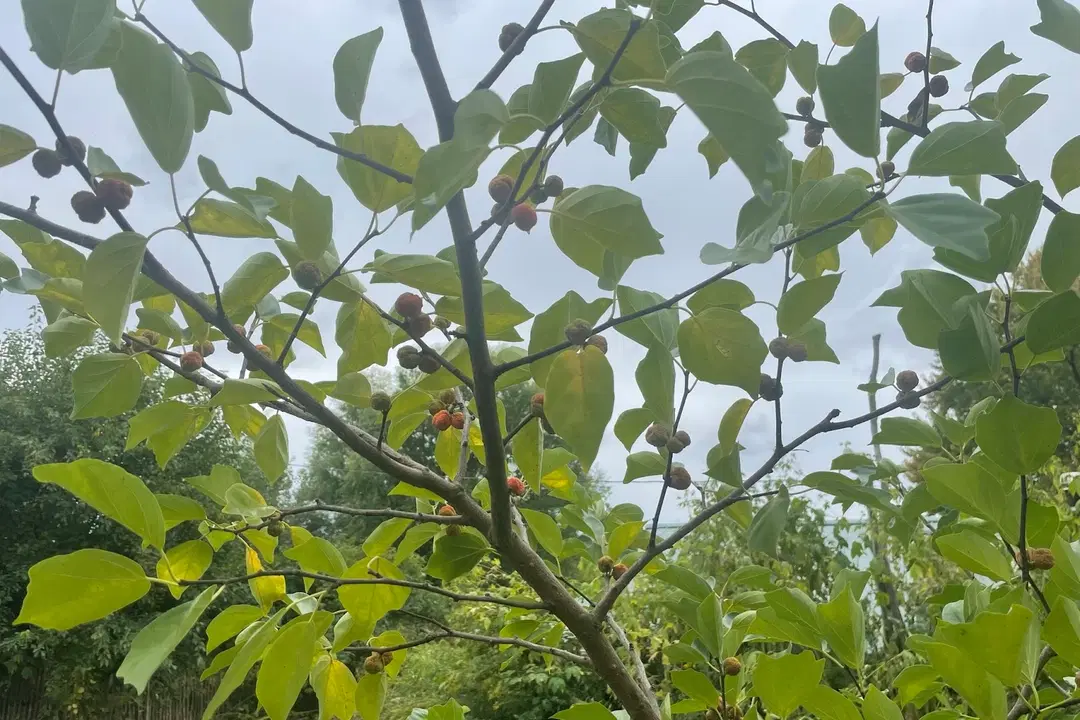
 On site
Perennial Crops Nursery
La Plata, MO
1option
Listed as “Ginkgo, Ginkgo biloba Zones 3-9”
Variety not confirmedAsk about sizes$25.00
Catalog checked Nov 15, 2026. Confirm availability before visiting.
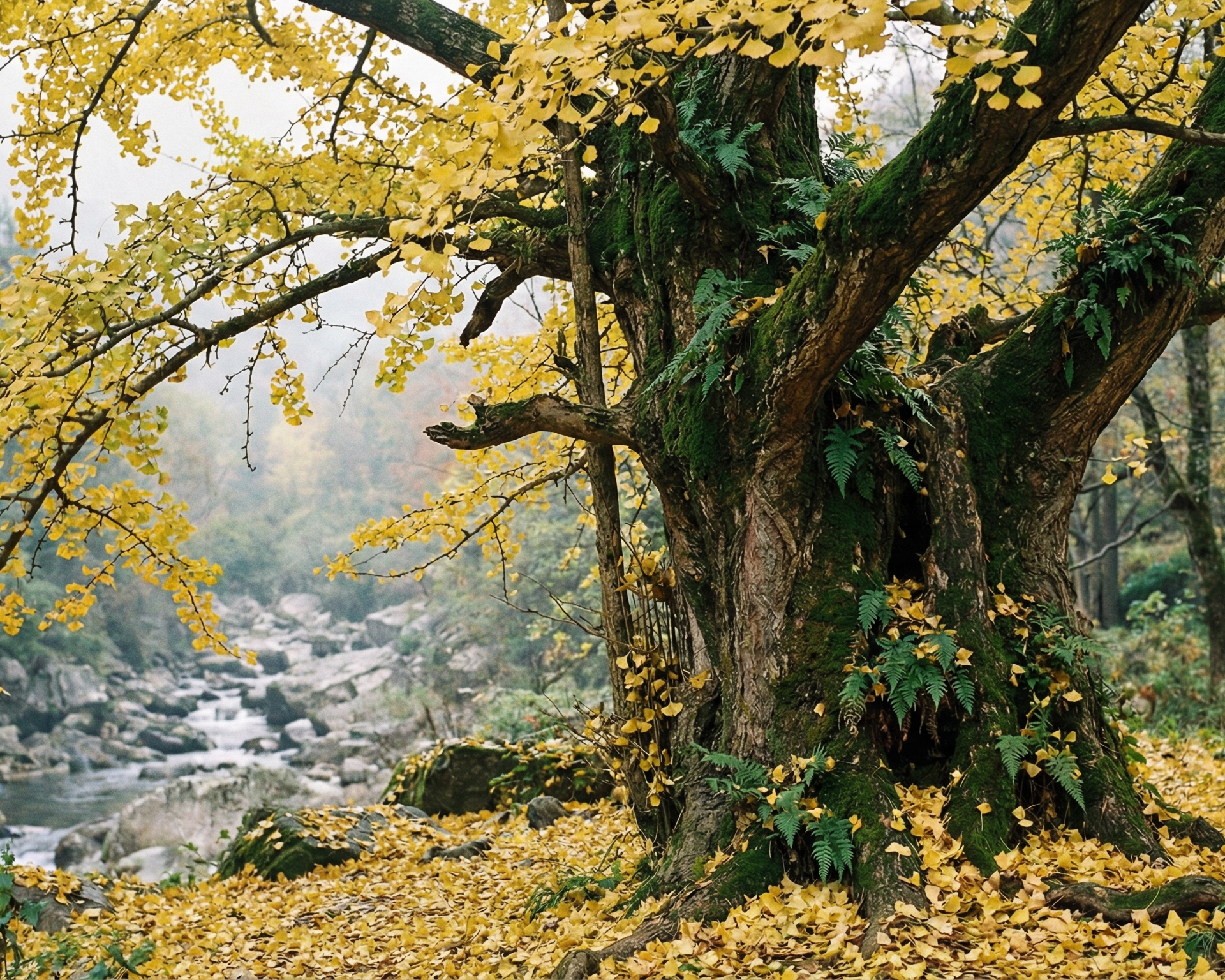
Ginkgo biloba
Ginkgo biloba, commonly known as ginkgo or the maidenhair tree, is a unique species of tree with no close living relatives. Read more
28 nurseries · 172 matching options
On siteLa Plata, MO
1option
Listed as “Ginkgo, Ginkgo biloba Zones 3-9”
$25.00
Catalog checked Nov 15, 2026. Confirm availability before visiting.
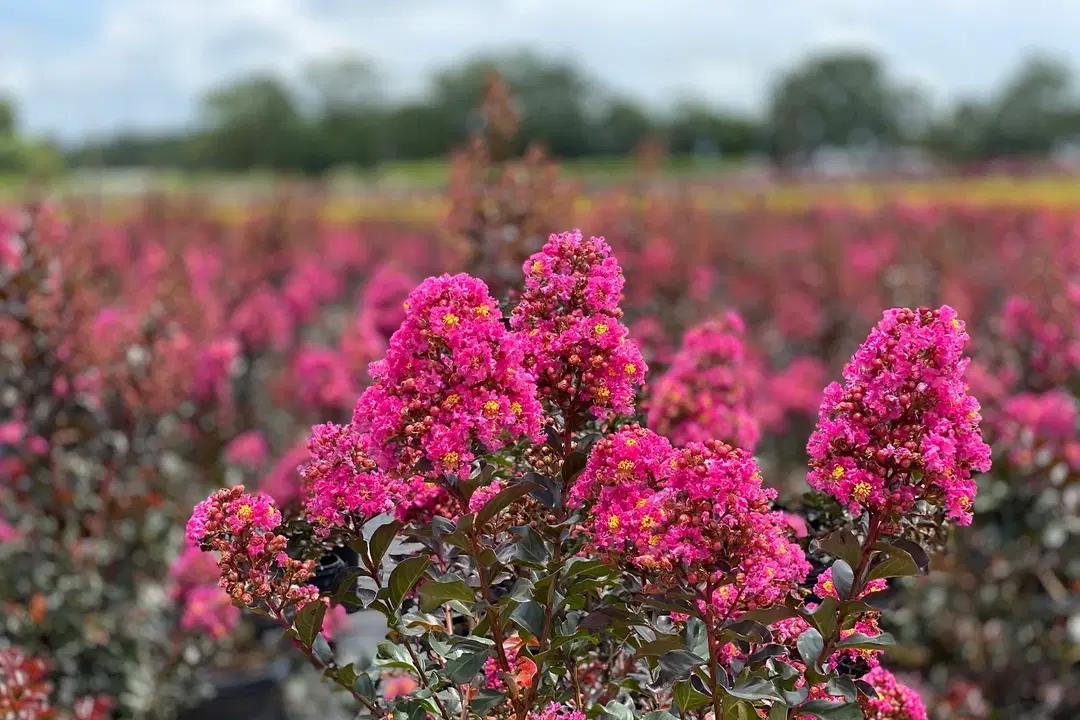 On site
Monticello, FL
2options
Listed as “Ginkgo Biloba - Seedling”
From $34.95
Catalog checked Nov 15, 2026. Confirm availability before visiting.
 On site
Massillon, OH
2options
Listed as “Princeton Sentry™ Ginkgo (Ginkgo biloba ‘Princeton Sentry’) – 2 gallon 36″”
Call for pricing
Catalog checked Oct 1, 2026. Confirm availability before visiting.
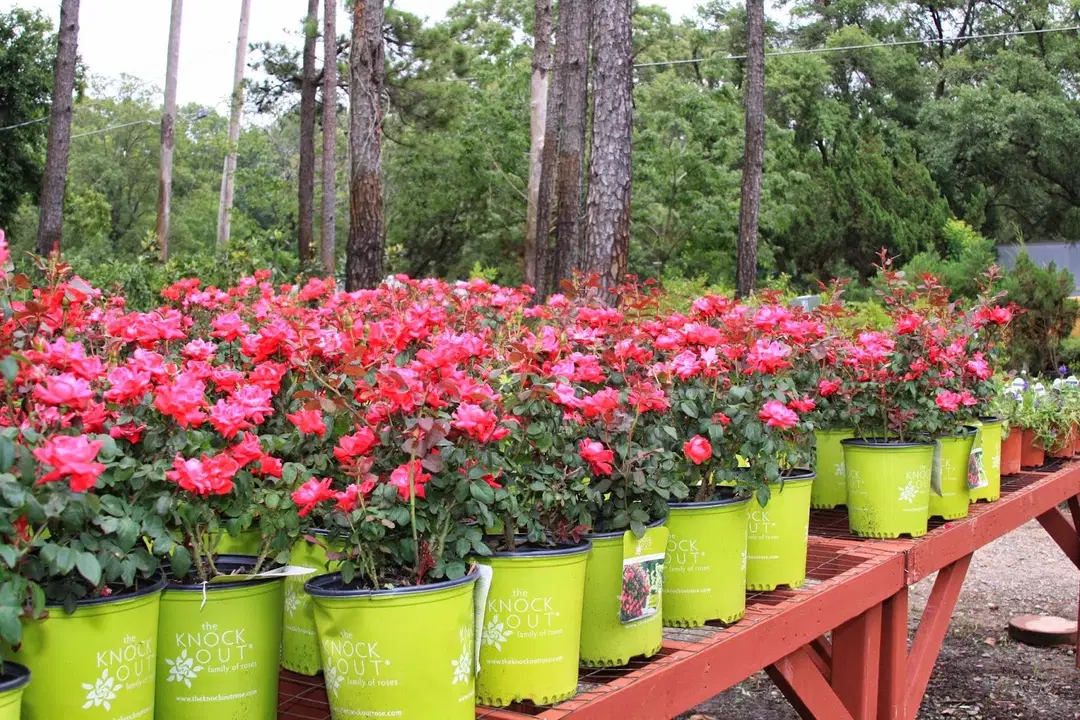 On site
West Monroe, LA
1option
Listed as “Ginkgo Biloba Tree”
Call for pricing
Catalog checked Nov 15, 2026. Confirm availability before visiting.
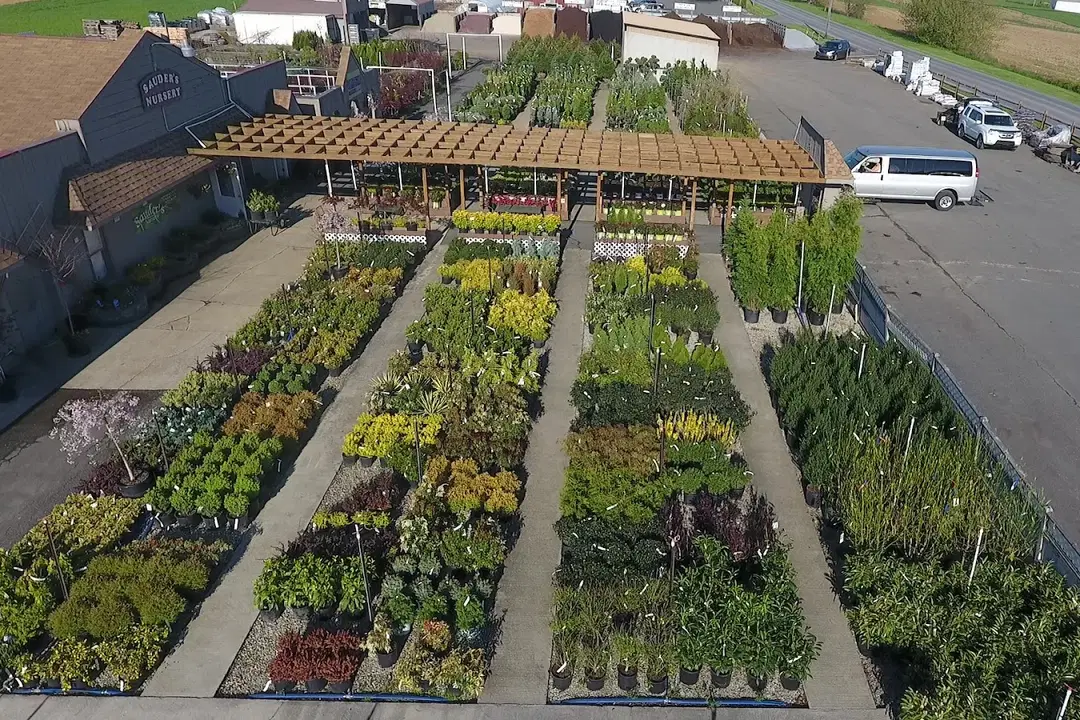 On site
East Earl, PA
3options
Listed as “3 gallon TREE – Maidenhair Tree (Ginkgo biloba) – 3 gallon TREE – 3 gallon TREE”
From $69.15
Catalog checked Nov 15, 2026. Confirm availability before visiting.
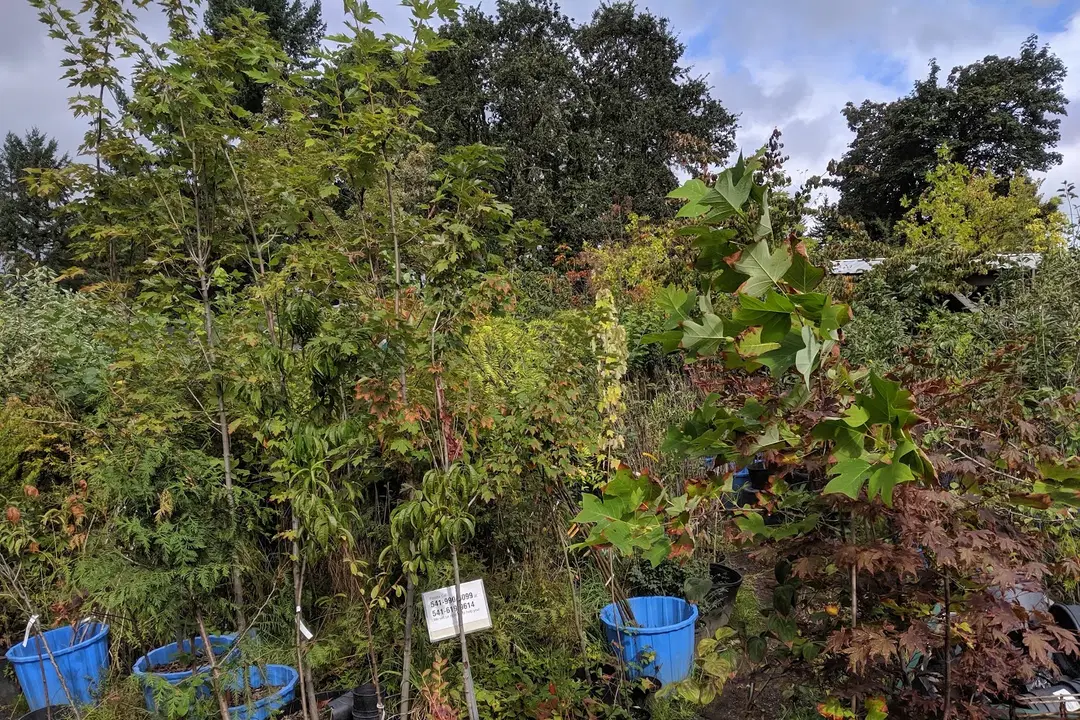 On site
Albany, OR
6options
Listed as “Ginkgo Tree (Ginkgo biloba)”
Call for pricing
Catalog checked Nov 15, 2026. Confirm availability before visiting.
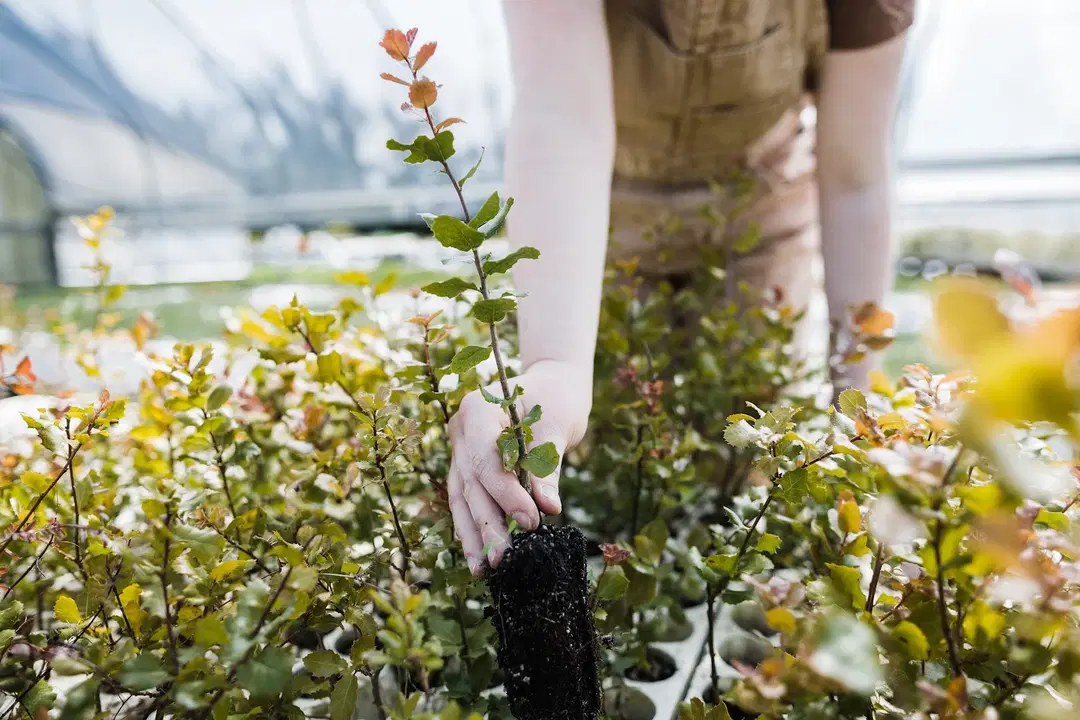 On site
McKinleyville, CA
3options
Listed as “Ginkgo biloba | Small Tree Seedling”
Call for pricing
Catalog checked Nov 15, 2026. Confirm availability before visiting.
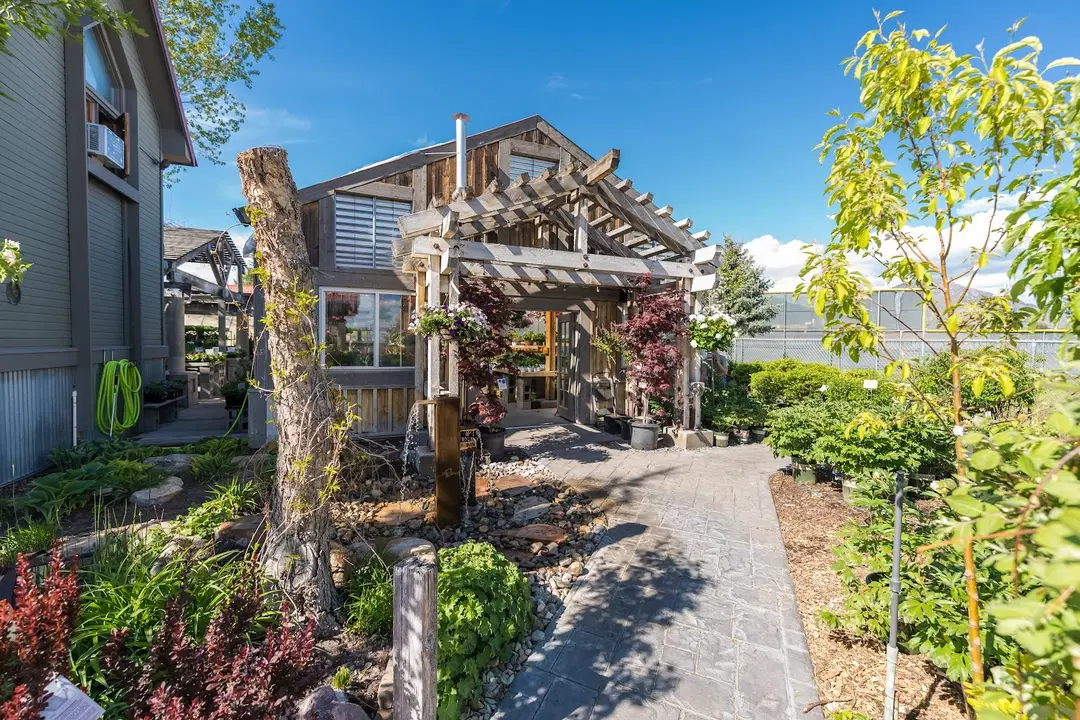 On site
Logan, UT
1option
Listed as “Ginkgo biloba ‘Jade Butterfly’ (Jade Butterfly Ginkgo)”
Call for pricing
Catalog checked Oct 1, 2026. Confirm availability before visiting.
Showing 17 to 24 of 28 nurseries
Load more nurseriesGinkgo biloba, commonly known as ginkgo or the maidenhair tree, is a unique species of tree with no close living relatives. It is the last remaining species of the Ginkgophyta division, and is often referred to as a "living fossil" due to its ancient origins, with fossils of the genus dating back 290 million years. Native to China, the ginkgo tree is now cultivated worldwide for its ornamental value and its seeds are used in traditional Asian cuisine.
The ginkgo is a large, deciduous tree, typically reaching heights of 20–35 meters (66–115 feet), with some specimens in China exceeding 50 meters (160 feet). It is known for its distinctive fan-shaped leaves, which turn a brilliant yellow in the autumn before falling. The tree is dioecious, meaning that some trees are female and others are male. The female trees produce seeds that are encased in a fleshy, fruit-like sarcotesta, which is known for its unpleasant odor, often compared to rancid butter.
Ginkgo has a long history of use in traditional Chinese medicine. Today, ginkgo extract is a popular dietary supplement, marketed for its potential to improve memory and circulation. However, scientific studies on its effectiveness have yielded mixed results. The National Center for Complementary and Integrative Health (NCCIH) has stated that there is no conclusive evidence that ginkgo is helpful for any health condition. The seeds of the ginkgo tree are used in Asian cuisine, particularly in congee, and are also consumed as a traditional food.