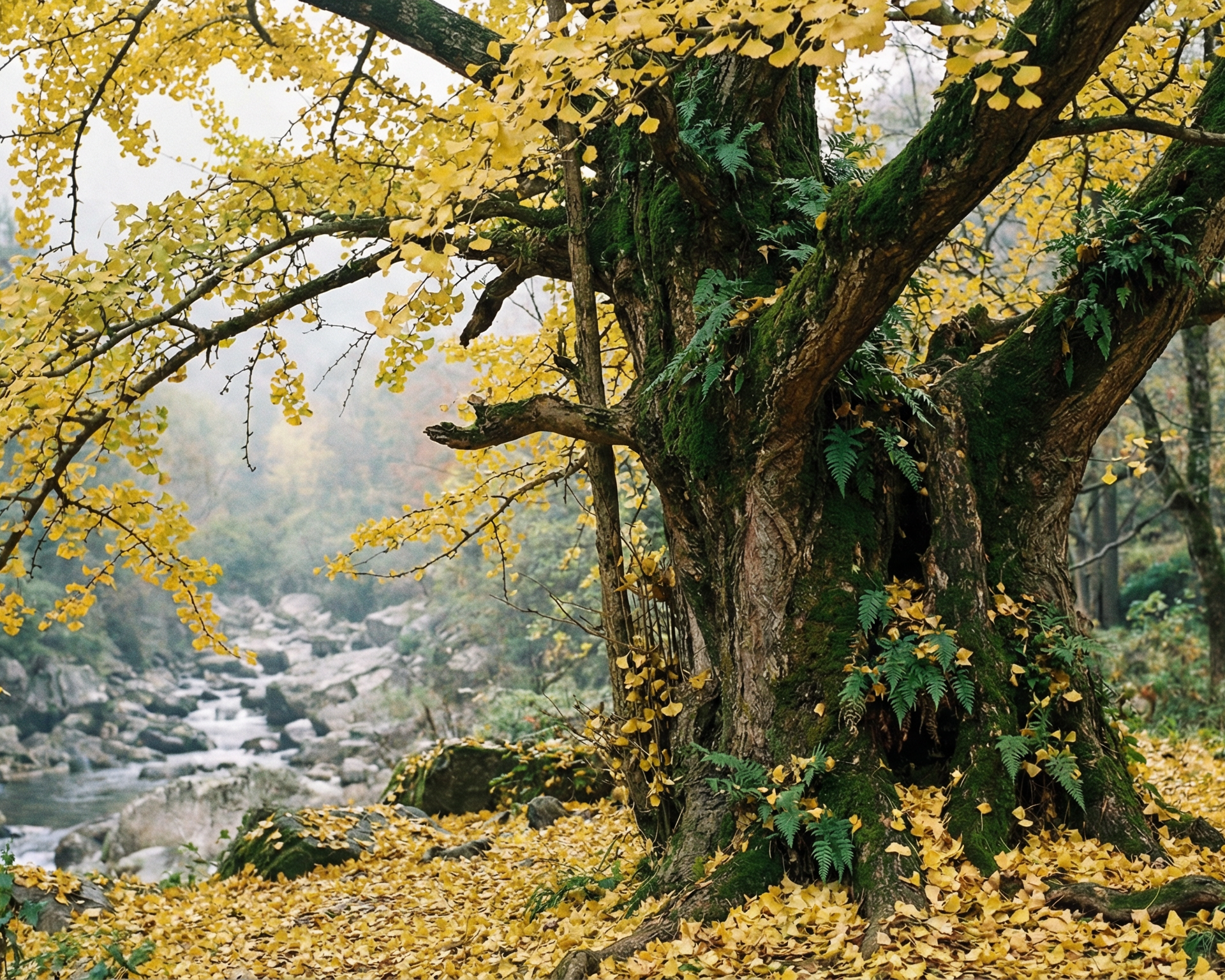
Ginkgo (maidenhair tree)
Ginkgo biloba
28 nurseries nationwide
Compare nurseries
Nurseries with recorded shipping, across all locations. Confirm delivery to your address and availability on the nursery website.
1 nursery · 5 matching options
1 location on the map. Select a marker or a nursery to compare.
Preparing the map…
Your location isn’t saved. Confirm availability and delivery area with the nursery.
About Ginkgo (maidenhair tree)
Ginkgo biloba, commonly known as ginkgo or the maidenhair tree, is a unique species of tree with no close living relatives. It is the last remaining species of the Ginkgophyta division, and is often referred to as a "living fossil" due to its ancient origins, with fossils of the genus dating back 290 million years. Native to China, the ginkgo tree is now cultivated worldwide for its ornamental value and its seeds are used in traditional Asian cuisine. The ginkgo is a large, deciduous tree, typically reaching heights of 20–35 meters (66–115 feet), with some specimens in China exceeding 50 meters (160 feet). It is known for its distinctive fan-shaped leaves, which turn a brilliant yellow in the autumn before falling. The tree is dioecious, meaning that some trees are female and others are male. The female trees produce seeds that are encased in a fleshy, fruit-like sarcotesta, which is known for its unpleasant odor, often compared to rancid butter. Ginkgo has a long history of use in traditional Chinese medicine. Today, ginkgo extract is a popular dietary supplement, marketed for its potential to improve memory and circulation. However, scientific studies on its effectiveness have yielded mixed results. The National Center for Complementary and Integrative Health (NCCIH) has stated that there is no conclusive evidence that ginkgo is helpful for any health condition. The seeds of the ginkgo tree are used in Asian cuisine, particularly in congee, and are also consumed as a traditional food.
Plant facts
- Sun
- Full Sun, Partial Sun
- Water
- Low, Drought Tolerant
- USDA zones
- 3-9
- Lifecycle
- Perennial