Grape
Vitis spp.
28 nurseries listed · 21 named varieties
Compare nurseries
Nurseries with recorded shipping, across all locations. Confirm delivery to your address and availability on the nursery website.
2 nurseries · 4 matching options
2 locations on the map. Select a marker or a nursery to compare.
Preparing the map…
Your location isn’t saved. Confirm availability and delivery area with the nursery.
About Grape
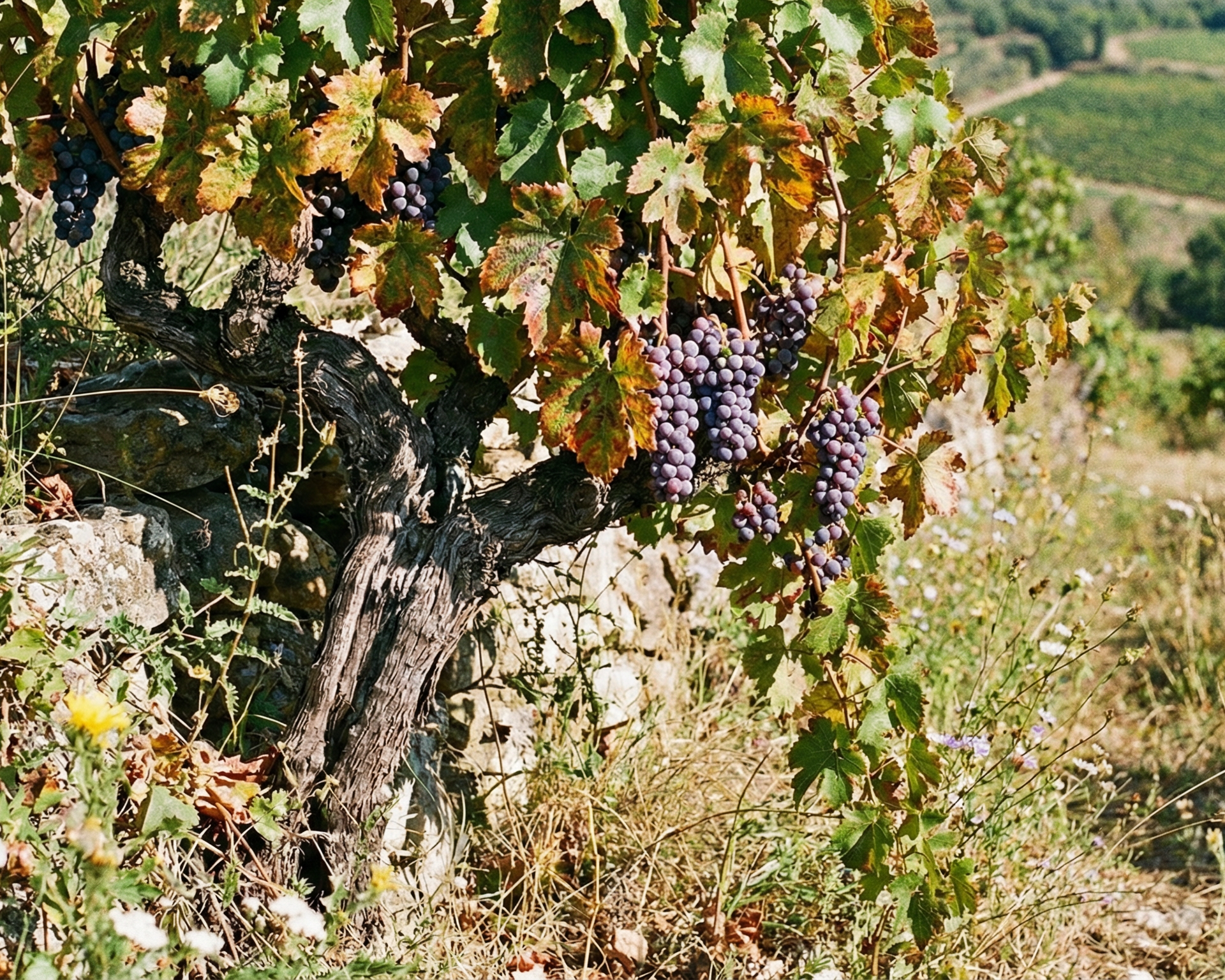
The genus Vitis, commonly known as grape, consists of about 80 species of woody, deciduous vines in the grape family (Vitaceae). Native primarily to the Northern Hemisphere, these plants are most famous for their fruit, which is consumed fresh as table grapes, dried as raisins, or fermented to produce wine. The study and cultivation of grapes is a specialized field known as viticulture. The most economically and culturally significant species is Vitis vinifera, the common grape vine, which originated in the Mediterranean region, Central Europe, and southwestern Asia and is the source of most of the world's wine grapes. Grapes are vigorous climbing plants that use forked tendrils to attach themselves to supporting structures, capable of reaching impressive lengths if left unpruned. Their leaves are typically large, heart-shaped at the base, and palmately lobed with toothed edges. Inconspicuous, greenish flowers are borne in dense clusters called inflorescences, which develop into the familiar bunches of fruit. The fruit itself is a berry that comes in a wide variety of colors, including green, red, purple, and black. While wild species are typically dioecious (having separate male and female plants), cultivated varieties have been selected for perfect flowers, containing both reproductive parts, to ensure reliable fruit production. Beyond their primary role in food and winemaking, grapes hold significant cultural and ornamental value. The vines, with their gnarled, shredding bark and bold foliage that often turns brilliant colors in the fall, are used in landscaping to cover arbors, pergolas, and walls, providing shade and visual interest throughout the year. The fruit is a food source for wildlife, particularly birds. While commercially cultivated varieties require significant maintenance, including regular pruning and pest management to control for issues like phylloxera and various fungal diseases, their versatility and rich history make them a cornerstone of horticulture and agriculture worldwide.
Plant facts
- Sun
- Full Sun, Partial Sun
- Water
- Regular, Drought Tolerant
- USDA zones
- 4-10
- Lifecycle
- Perennial
Variety guides
Explore the complete plant collection, including varieties with no nursery listings yet. Counts reflect your location and shopping filters.
- Alachua2 nurseries listed
- Carlos2 nurseries listed
- Delicious2 nurseries listed
- Jumbo2 nurseries listed
- Noble2 nurseries listed
- Southern Jewel2 nurseries listed
- Welder2 nurseries listed
- Autumn Royal Seedless1 nursery listed
- Blanc du Bois1 nursery listed
- Cowart1 nursery listed
- Crimson Seedless1 nursery listed
- Dixie1 nursery listed
- Flame Seedless1 nursery listed
- Fry1 nursery listed
- Lomanto1 nursery listed
- Nesbitt1 nursery listed
- Princess Seedless1 nursery listed
- Summit1 nursery listed
- Supreme1 nursery listed
- Thompson Seedless1 nursery listed
- Triumph1 nursery listed
- African Queen0 nurseries listed
- Agawam0 nurseries listed
- Alwood0 nurseries listed