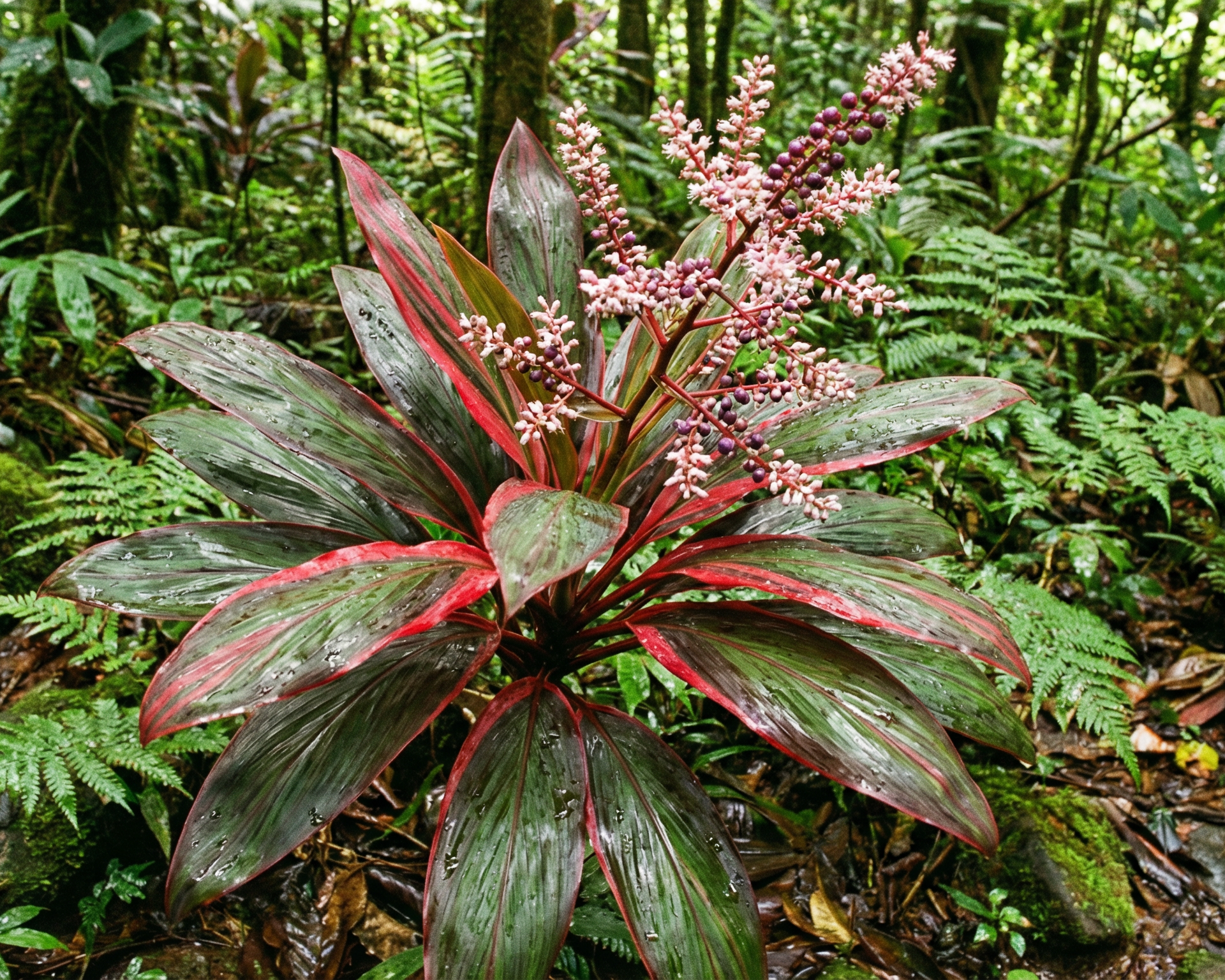
Ti plant (ki)
Cordyline fruticosa
4 nurseries nationwide
Compare nurseries
Nurseries with recorded shipping, across all locations. Confirm delivery to your address and availability on the nursery website.
1 nursery · 1 matching option
1 location on the map. Select a marker or a nursery to compare.
Preparing the map…
Your location isn’t saved. Confirm availability and delivery area with the nursery.
About Ti plant (ki)
The Hawaiian Ti Plant, scientifically known as Cordyline fruticosa, is a vibrant and popular member of the Cordyline genus, which encompasses about 24 species of woody flowering plants. Native to Southeast Asia, eastern Australia, and the Pacific Islands, including Hawaii, this plant is celebrated for its striking foliage and cultural significance. While the genus also includes other notable species like the Cabbage Tree (Cordyline australis), the Hawaiian Ti Plant is arguably the most widely recognized, cherished as both a houseplant and an outdoor ornamental in tropical and subtropical climates. Its association with good luck has also contributed to its global popularity. The most distinguishing feature of the Hawaiian Ti Plant is its colorful, lance-shaped leaves that can grow up to 30 inches long. These leaves spiral around a central stem and come in a dazzling array of colors, including shades of pink, red, purple, green, and variegated patterns. The plant itself can grow as a shrub or a small tree, reaching heights of up to 15 feet in its natural habitat, though it typically remains smaller when cultivated indoors. During the summer, mature plants may produce panicles of small, fragrant, white to pale lavender flowers, which are followed by red berries. However, flowering and fruiting are rare for indoor specimens. Beyond its ornamental appeal, the Hawaiian Ti Plant holds significant cultural and practical value, particularly in Hawaiian traditions. The leaves are famously used to make hula skirts and are also employed as a natural wrapping for food, imparting a subtle flavor during cooking. Historically, the starchy rhizomes of some Cordyline species were harvested and cooked as a food source. In modern permaculture, the plant is valued for its tropical aesthetic and its ability to thrive in a variety of garden settings, from borders to containers. Caring for a Hawaiian Ti Plant requires attention to its specific needs. It thrives in bright, indirect light, which helps to maintain the vibrancy of its foliage; direct sunlight can cause the leaves to scorch. The plant prefers a consistently moist, well-drained, and fertile soil, with higher humidity levels being crucial for its health, especially when grown indoors. It is best suited for USDA hardiness zones 10-12 and cannot tolerate temperatures below 50°F. Propagation is relatively easy and can be done from stem cuttings or by dividing the rhizomes, allowing gardeners to readily multiply their collection of this captivating plant.
Plant facts
- Sun
- Full Sun, Partial Sun, Partial Shade
- Water
- Regular, Low
- USDA zones
- 10-12
- Lifecycle
- Perennial