Niemeyer's Landscape Supply
Crown Point, IN
2 options
Call for pricing
Catalog checked Oct 4, 2026. Confirm availability before visiting.
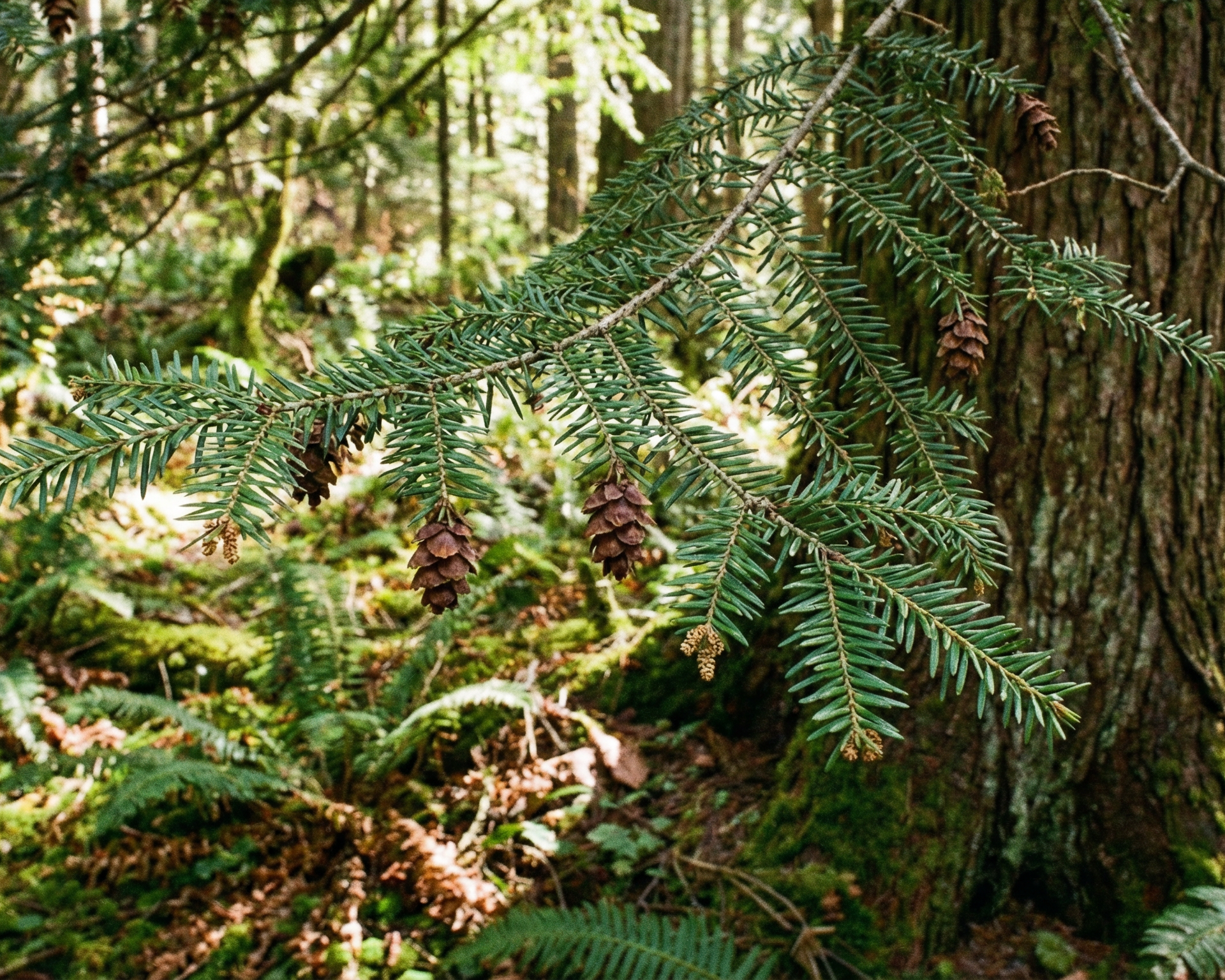
Tsuga canadensis
14 nurseries listed
14 nurseries · 47 matching options
Crown Point, IN
2 options
Call for pricing
Catalog checked Oct 4, 2026. Confirm availability before visiting.
Pittsford, NY
17 options
Call for pricing
Catalog checked Oct 4, 2026. Confirm availability before visiting.
Massillon, OH
1 option
From $36.40
Catalog checked Oct 1, 2026. Confirm availability before visiting.
East Earl, PA
2 options
From $30.68
Catalog checked Oct 1, 2026. Confirm availability before visiting.
McKinleyville, CA
4 options
Call for pricing
Catalog checked Oct 4, 2026. Confirm availability before visiting.
Prescott, AZ
1 option
Call for pricing
Catalog checked Oct 4, 2026. Confirm availability before visiting.
Showing 9–14 of 14 nurseries
Tsuga is a genus of evergreen conifers in the pine family, Pinaceae, commonly known as hemlock. The name "hemlock" is attributed to the scent of its crushed foliage, which is similar to the unrelated and poisonous hemlock plant (Conium maculatum); however, Tsuga species are not poisonous. The genus comprises approximately eight to ten species, with a distribution split between North America and eastern Asia. These trees are a significant component of the forests in which they reside, valued for both their ecological and economic contributions. Hemlocks are medium to large trees, typically reaching heights of 30 to 200 feet, characterized by a conical crown and a distinctively drooping lead shoot. The bark is scaly and often deeply furrowed, ranging in color from gray to brown. Their branches are arranged in flattened sprays, giving the tree a graceful, feathery appearance. The needles are short, flat, and arranged spirally on the stem, though they appear two-ranked. A key identifying feature is the presence of two white stomatal bands on the underside of each needle. The seed cones are small, typically less than two inches long, and hang downwards from the branches, maturing within a single year. The wood of the hemlock is a valuable resource, primarily used for lumber and as a principal source of pulp for paper manufacturing. Various species are also popular in horticulture as ornamental trees, with numerous cultivars developed for garden use. Historically, Native American tribes utilized different parts of the tree; the bark was used for tanning leather and creating dyes, while the young foliage was sometimes used to make tea. Ecologically, hemlocks provide important habitat and food for a variety of wildlife. Birds and small rodents consume the seeds, while deer and other mammals may browse the foliage. Hemlock trees thrive in cool, moist temperate climates with abundant rainfall and cool summers. They are notably shade-tolerant, more so than many other conifers, which allows them to establish themselves in the understory of mature forests. However, they are also susceptible to drought. In North America, the eastern hemlock (Tsuga canadensis) and Carolina hemlock (Tsuga caroliniana) face a severe threat from the hemlock woolly adelgid (Adelges tsugae), an invasive insect that has caused widespread mortality. Western North American species show moderate resistance, while Asian species are largely resistant to this pest.