- Sun
- Full Sun, Partial Sun, Partial Shade
- Water
- Regular, Drought Tolerant
- USDA zones
- 5-9
Holly
Ilex spp.
_Ilex_, or holly, is a genus of over 570 species of flowering plants in the family Aquifoliaceae. It is the only living genus in that family. Read more
Compare nurseries
3 nurseries · 7 matching options
Choose a city or ZIP to find nearby growers. Showing nationwide listings until you choose an area.
3 locations on the map. Select a marker or a nursery to compare.
Preparing the map…
Your location isn’t saved. Confirm availability and visiting hours with the nursery.
Variety guides
Explore the complete plant collection, including varieties with no nursery listings yet.
Not yet listed: Bordeaux, Nana, Schillings Dwarf, Yaupon
0 nurseries listed
About Holly
_Ilex_, or holly, is a genus of over 570 species of flowering plants in the family Aquifoliaceae. It is the only living genus in that family. The genus is widespread throughout the temperate and subtropical regions of the world and includes a variety of evergreen and deciduous trees, shrubs, and climbers. The most well-known species is the European holly, Ilex aquifolium, which is commonly used in Christmas decorations.
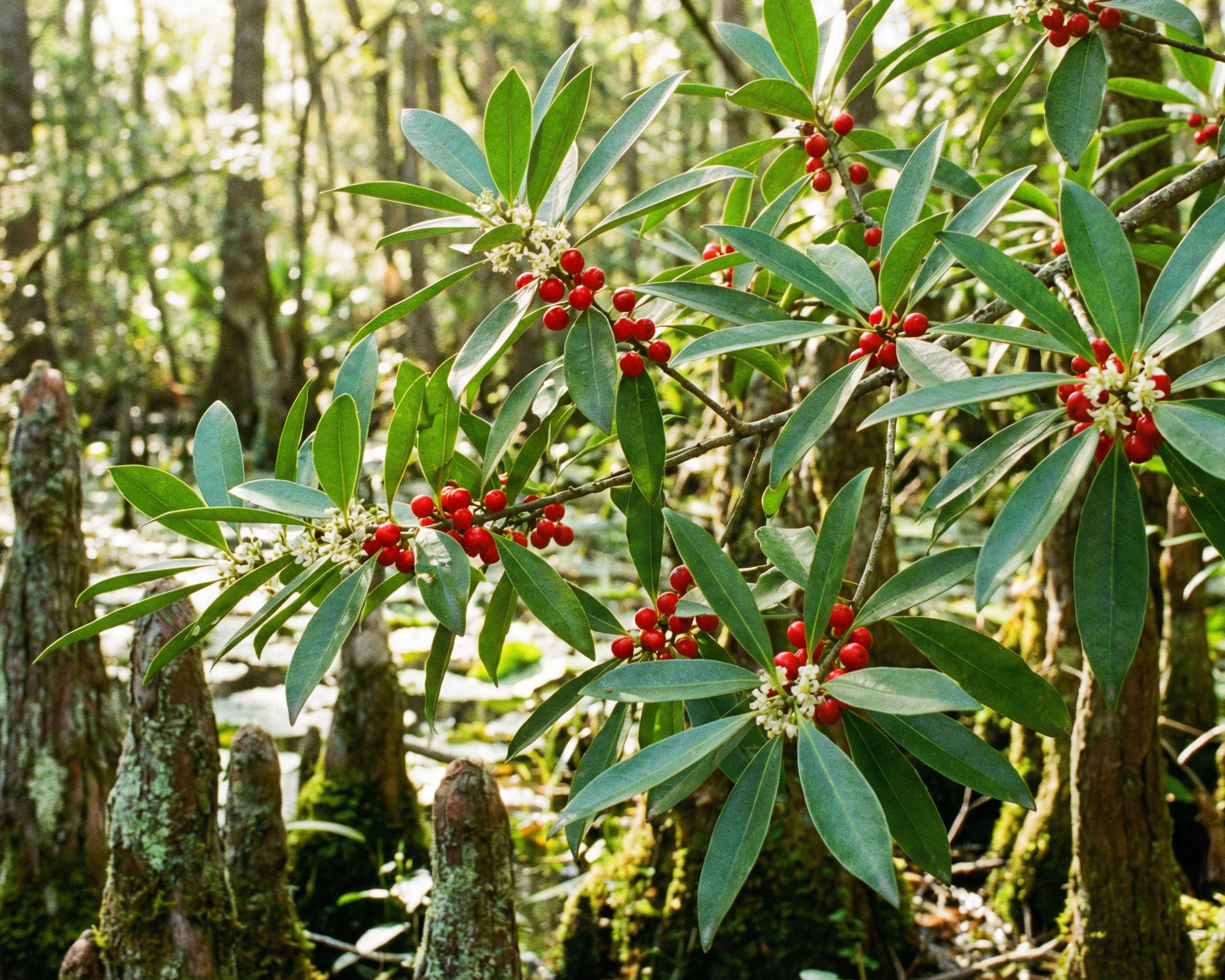
Hollies are characterized by their simple, alternate, glossy leaves, which often have spiny margins. The plants are dioecious, meaning that male and female flowers are on separate plants. The flowers are small, greenish-white, and have four petals. The fruit is a small, berry-like drupe that is typically red but can also be brown, black, or yellow. While the fruits are slightly toxic to humans, they are an important food source for birds and other wildlife.
The wood of the holly tree is one of the whitest available and is hard, heavy, and fine-grained. It is used for furniture, engraving, and making walking sticks. Holly is also a popular ornamental plant, valued for its attractive foliage and berries, which provide winter color. It is used in a variety of garden settings, including as a specimen plant, in hedges, and as a barrier. The plant has a rich cultural history and has been used for winter decorations for centuries. It was also considered a symbol of fertility and a charm against evil spirits.
Hollies are generally slow-growing and prefer well-drained, acidic soil in full sun to partial shade. They are tolerant of a wide range of conditions, including drought, shade, and air pollution. Pruning can be done in the winter to maintain the desired shape and size. For fruit production, both male and female plants must be present to ensure pollination.