Honey locust
Gleditsia triacanthos
8 nurseries nationwide
Compare nurseries
Choose a city or ZIP to find nearby growers. Showing nationwide listings until you choose an area.
8 nurseries · 36 matching options
8 locations on the map. Select a marker or a nursery to compare.
Preparing the map…
Your location isn’t saved. Confirm availability and visiting hours with the nursery.
About Honey locust
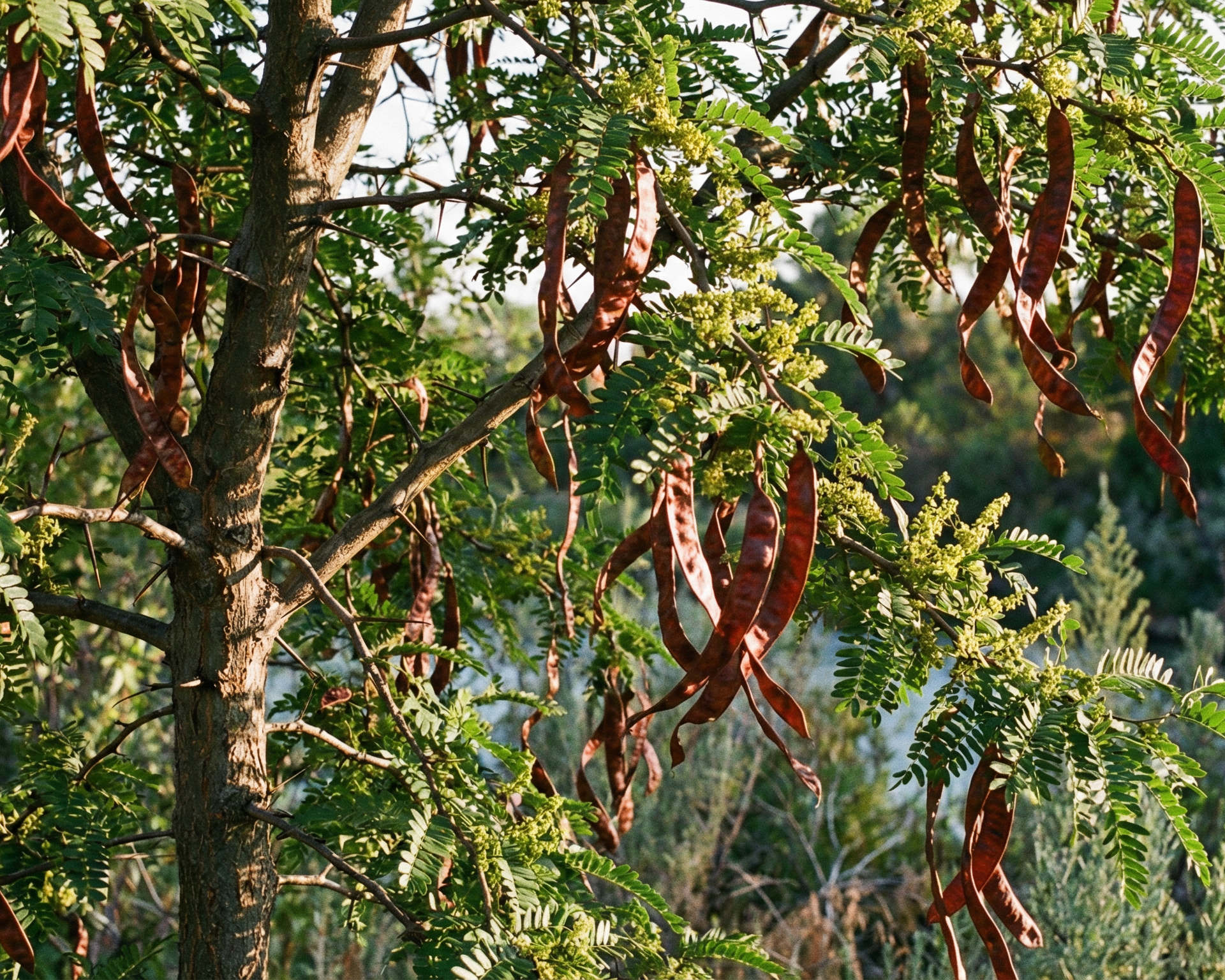
Gleditsia, commonly known as honey locust, is a genus of deciduous trees belonging to the Fabaceae (bean) family. Native to North America and Asia, the genus comprises about 12 species. The name "honey locust" is derived from the sweet, sticky pulp found within the long seedpods, which is consumed by wildlife and has also been used by humans. The trees are recognized for their rapid growth and tolerance of a wide range of environmental conditions, making them a common sight in both natural and urban landscapes. Honey locusts are characterized by their distinctive physical features. They can grow to be large trees, typically reaching heights of 60 to 80 feet, with a broad, spreading crown that casts a light, dappled shade. Many species are armed with formidable, branched thorns that can grow up to three inches long on the trunk and branches, although numerous thornless cultivars have been developed for safer landscape use. The leaves are pinnately or bipinnately compound, composed of many small leaflets, which give the tree a fine, delicate texture and turn a vibrant yellow in the fall. The trees produce inconspicuous, greenish-yellow flowers in late spring, which are followed by long, twisted, and flattened seedpods that can be up to 18 inches long and persist on the tree into the winter. The genus Gleditsia holds both ecological and economic significance. The wood is hard, strong, and resistant to decay, making it valuable for fence posts, railroad ties, and furniture. The sweet seedpods provide an important food source for a variety of wildlife, including deer, squirrels, and birds. In traditional Chinese medicine, the thorns and fruits of Gleditsia sinensis have been used for their purported therapeutic properties. In modern cultivation, thornless and often seedless cultivars are widely planted as ornamental street trees due to their adaptability to urban environments, including tolerance to pollution, salt, and drought, as well as their attractive form and light shade that allows grass to grow beneath them. For successful cultivation, honey locust trees thrive in full sun and prefer moist, well-drained, organically rich soils. However, they are highly adaptable and can tolerate a variety of soil types, including clay, as well as periods of drought and windy conditions. While generally robust, they can be susceptible to a number of pests and diseases, including borers, webworms, leaf spot, and canker. The species plants can spread aggressively through self-seeding, which can be a concern in some areas, leading to the preference for sterile cultivars in landscape settings.
Plant facts
- Sun
- Full Sun
- Water
- Drought Tolerant, Regular
- USDA zones
- 3-9
- Lifecycle
- Perennial