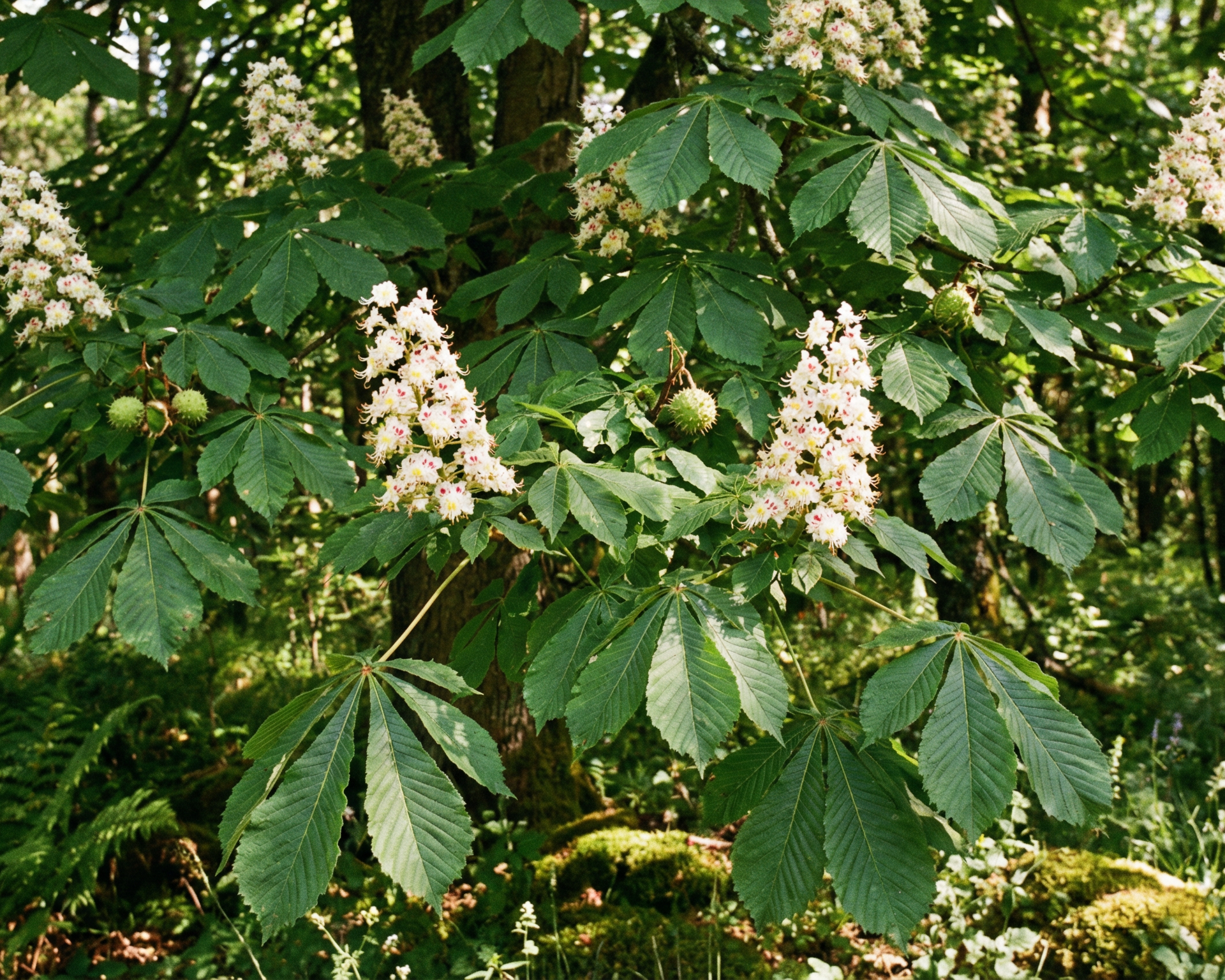
Horse chestnut
Aesculus hippocastanum
2 nurseries nationwide
Compare nurseries
Choose a city or ZIP to find nearby growers. Showing nationwide listings until you choose an area.
2 nurseries · 7 matching options
2 locations on the map. Select a marker or a nursery to compare.
Preparing the map…
Your location isn’t saved. Confirm availability and visiting hours with the nursery.
About Horse chestnut
The genus Aesculus, belonging to the soapberry family (Sapindaceae), comprises a group of about 12 to 15 species of deciduous trees and shrubs. These plants are primarily native to the temperate regions of the Northern Hemisphere, with species found across North America, Europe, and Asia. The most widely recognized common names for the group are Horse Chestnut for the Eurasian species and Buckeye for the North American species. The most famous member of the genus is the common horse chestnut, Aesculus hippocastanum, which is a familiar sight in parks and avenues across the world. Members of the Aesculus genus are characterized by their stout shoots and large, often sticky, resinous buds that are prominent in winter. They possess large, distinctive leaves that are palmately compound, typically with five to seven leaflets radiating from a central point. In spring, they produce large, showy, upright clusters (panicles) of flowers, which can be white, yellow, or various shades of pink and red. The fruit is a leathery capsule, which can be spiny or smooth, that splits open to release one or two large, glossy brown seeds known as conkers or buckeyes. These seeds are marked by a pale scar, resembling the eye of a deer, which gives the American species their common name. The primary use of horse chestnuts and buckeyes today is ornamental. Their impressive size, attractive foliage, and beautiful spring flowers make them popular choices for large gardens, parks, and street plantings. The seeds, known as conkers, are famous in the United Kingdom for their use in the traditional children's game of the same name. While the seeds are mildly poisonous to humans and most animals if ingested raw due to the presence of saponins like aescin, they have historical uses. Native American tribes used the toxins from buckeyes to stun fish, and after a leaching process to remove the toxins, the seeds have been used in traditional medicines and even as a food source in some cultures. The wood is soft and not commercially valuable for timber but is sometimes used for carving. Aesculus species generally thrive in full sun to partial shade and prefer deep, rich, well-drained soils. They are adaptable to a range of soil pH but are sensitive to drought and can suffer from leaf scorch in hot, dry, or windy conditions. These trees are susceptible to a number of pests and diseases. Fungal issues like leaf blotch and powdery mildew are common, and more serious problems include bleeding canker, a stem infection that can be fatal, and the invasive horse chestnut leaf miner moth, which causes significant cosmetic damage to the leaves, making them turn brown and fall prematurely.
Plant facts
- Sun
- Full Sun, Partial Shade
- Water
- Regular
- USDA zones
- 4-7
- Lifecycle
- Perennial