Woodlanders
Aiken, SC
5 options
Call for pricing
Catalog checked Oct 1, 2026. Confirm availability before visiting.
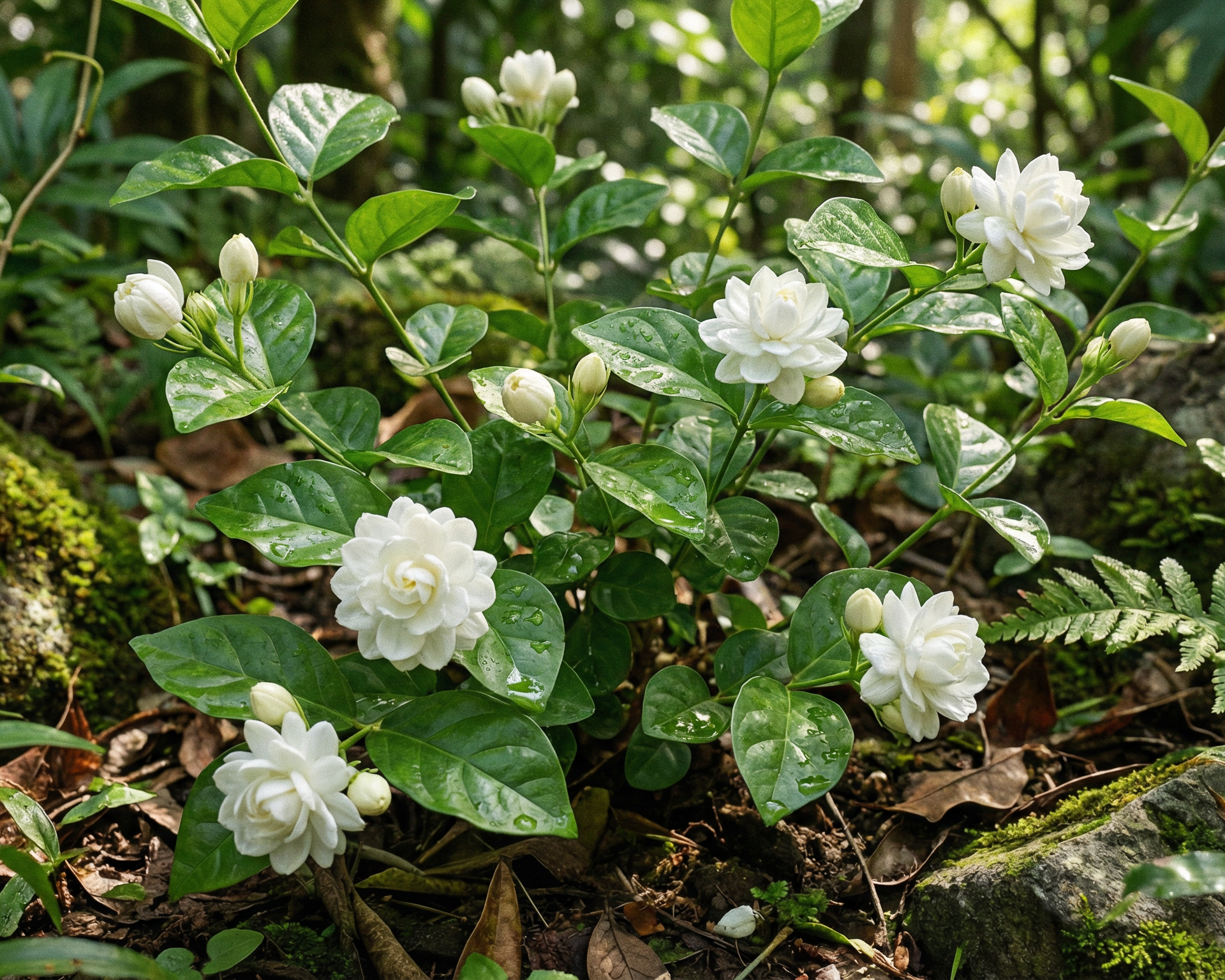
Jasminum spp.
9 nurseries listed
9 nurseries · 34 matching options
Aiken, SC
5 options
Call for pricing
Catalog checked Oct 1, 2026. Confirm availability before visiting.
Showing 9–9 of 9 nurseries
Jasmine, a genus of over 200 species of shrubs and vines in the olive family (Oleaceae), is renowned for its intensely fragrant flowers. Native to tropical and warm temperate regions of Eurasia, Africa, and Oceania, jasmine is widely cultivated for its ornamental value and aromatic properties. The name 'Jasmine' is the Latinized form of the Persian word 'yasmin'. While most species are white or yellow, some can have a reddish hue. The flowers, typically about an inch in diameter, are borne in clusters and are a popular component in perfumes, teas, and cultural ceremonies. Jasmine plants can be either deciduous (losing their leaves in fall) or evergreen, with a variety of growth habits, including erect, spreading, or climbing. Their leaves can be simple, trifoliate, or pinnate and are arranged in an opposite or alternate pattern along the stems. The flowers are characterized by a tubular base and a star-like shape with four to nine petals. Most jasmine species thrive in full sun or partial shade and prefer well-drained, moist soil. They are vigorous growers and can be pruned to maintain a desired size and shape, especially when grown in containers. Jasmine holds significant cultural and economic importance. It is a popular ornamental plant in gardens and as a houseplant, prized for the sweet fragrance that can perfume an entire room. The flowers are used in the production of jasmine oil, a key ingredient in the perfume industry. In many cultures, jasmine flowers are woven into garlands and used in religious ceremonies, weddings, and festivals. Jasmine tea, made by infusing tea leaves with the scent of jasmine flowers, is a popular beverage in many parts of the world. Some species, like Jasminum officinale, are also recognized for their use in traditional medicine.