- Sun
- Full Sun
- Water
- Drought Tolerant, Low
- USDA zones
- 5-10
Chinese jujube
Ziziphus jujuba
Jujube, scientifically known as Ziziphus, is a genus of spiny shrubs and small trees belonging to the buckthorn family (Rhamnaceae). The genus comprises approximately 68 species, which are native to tropical and subtropical regions across the globe. Read more
Compare nurseries
4 nurseries · 4 matching options
Choose a city or ZIP to find nearby growers. Showing nationwide listings until you choose an area.
4 locations on the map. Select a marker or a nursery to compare.
Preparing the map…
Your location isn’t saved. Confirm availability and visiting hours with the nursery.
Variety guides
Explore the complete plant collection, including varieties with no nursery listings yet.
- Li9 nurseries listed
- Lang8 nurseries listed
- Honey Jar6 nurseries listed
- GA-8665 nurseries listed
- Sugar Cane5 nurseries listed
- Coco4 nurseries listed
- Black Sea3 nurseries listed
- Autumn Beauty2 nurseries listed
- Chico2 nurseries listed
- Winter Delight2 nurseries listed
- Ant Admire1 nursery listed
- Norris #11 nursery listed
- Sherwood1 nursery listed
- So1 nursery listed
- Tigertooth1 nursery listed
About Chinese jujube
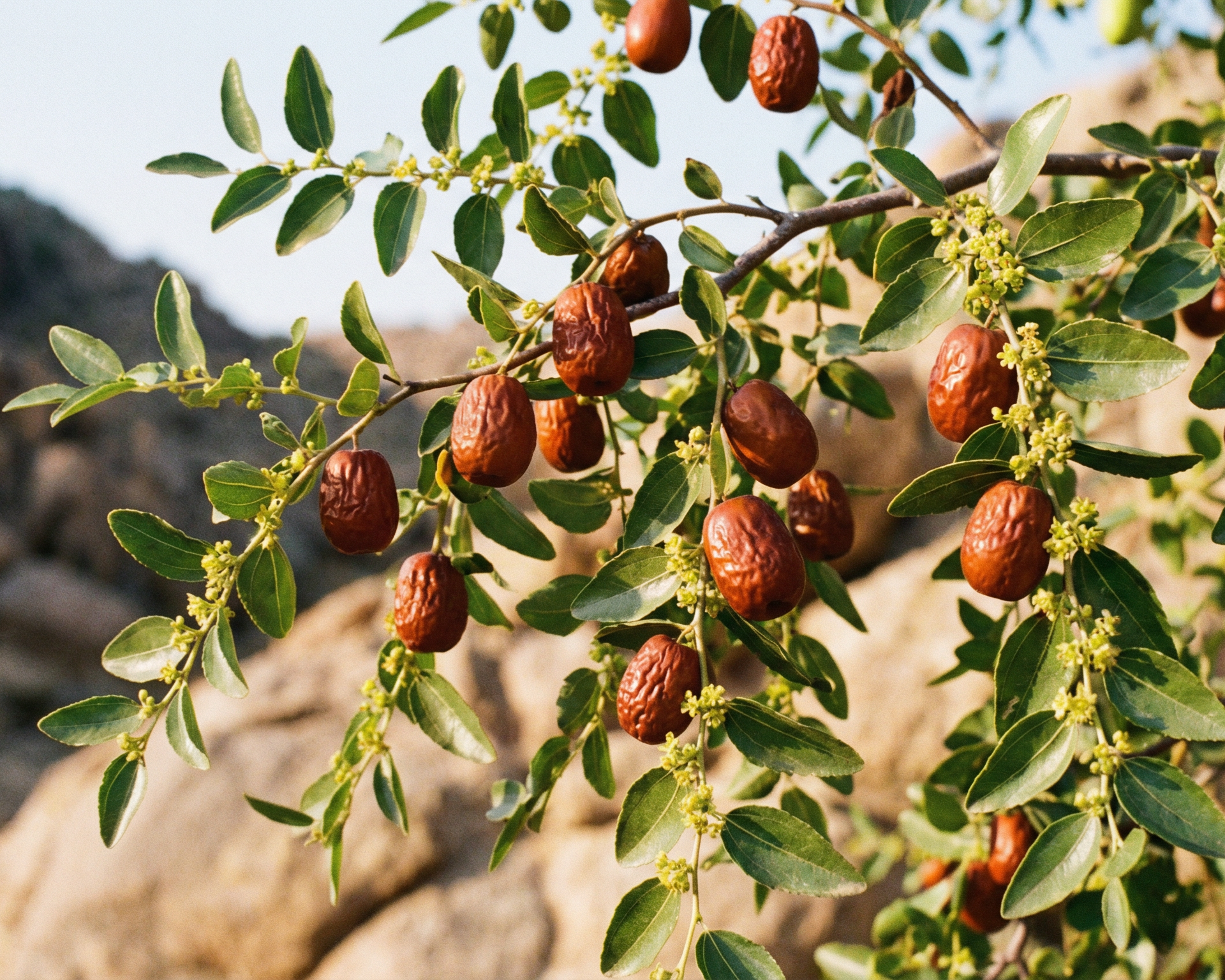
Jujube, scientifically known as Ziziphus, is a genus of spiny shrubs and small trees belonging to the buckthorn family (Rhamnaceae). The genus comprises approximately 68 species, which are native to tropical and subtropical regions across the globe. The most well-known species is Ziziphus jujuba, commonly referred to as the jujube or Chinese date. This deciduous tree is cultivated for its edible fruit, which resembles a date in appearance and has a sweet, apple-like flavor.
Jujube trees are characterized by their thorny branches and glossy green leaves. They are hardy and can tolerate a wide range of temperatures and soil conditions, making them a resilient and low-maintenance crop. The fruit, which is the most significant part of the plant, is a drupe that varies in size and shape depending on the cultivar. It is rich in vitamin C, B vitamins, and essential fatty acids, making it a nutritious food source.
The uses of jujube are diverse and span culinary, medicinal, and cultural domains. In many cultures, the fruit is eaten fresh, dried, or candied. It is also used in a variety of culinary preparations, including teas, syrups, and desserts. In traditional medicine, particularly in Chinese medicine, jujube is valued for its calming properties and is used to alleviate stress and anxiety, and to improve sleep. The plant's resilience and adaptability also make it a valuable species in permaculture and agroforestry systems, where it can contribute to soil health and biodiversity.