Linden (lime, basswood)
Tilia spp.
11 nurseries listed
Compare nurseries
11 nurseries · 26 matching options
11 locations on the map. Select a marker or a nursery to compare.
Preparing the map…
Your location isn’t saved. Confirm availability and visiting hours with the nursery.
About Linden (lime, basswood)
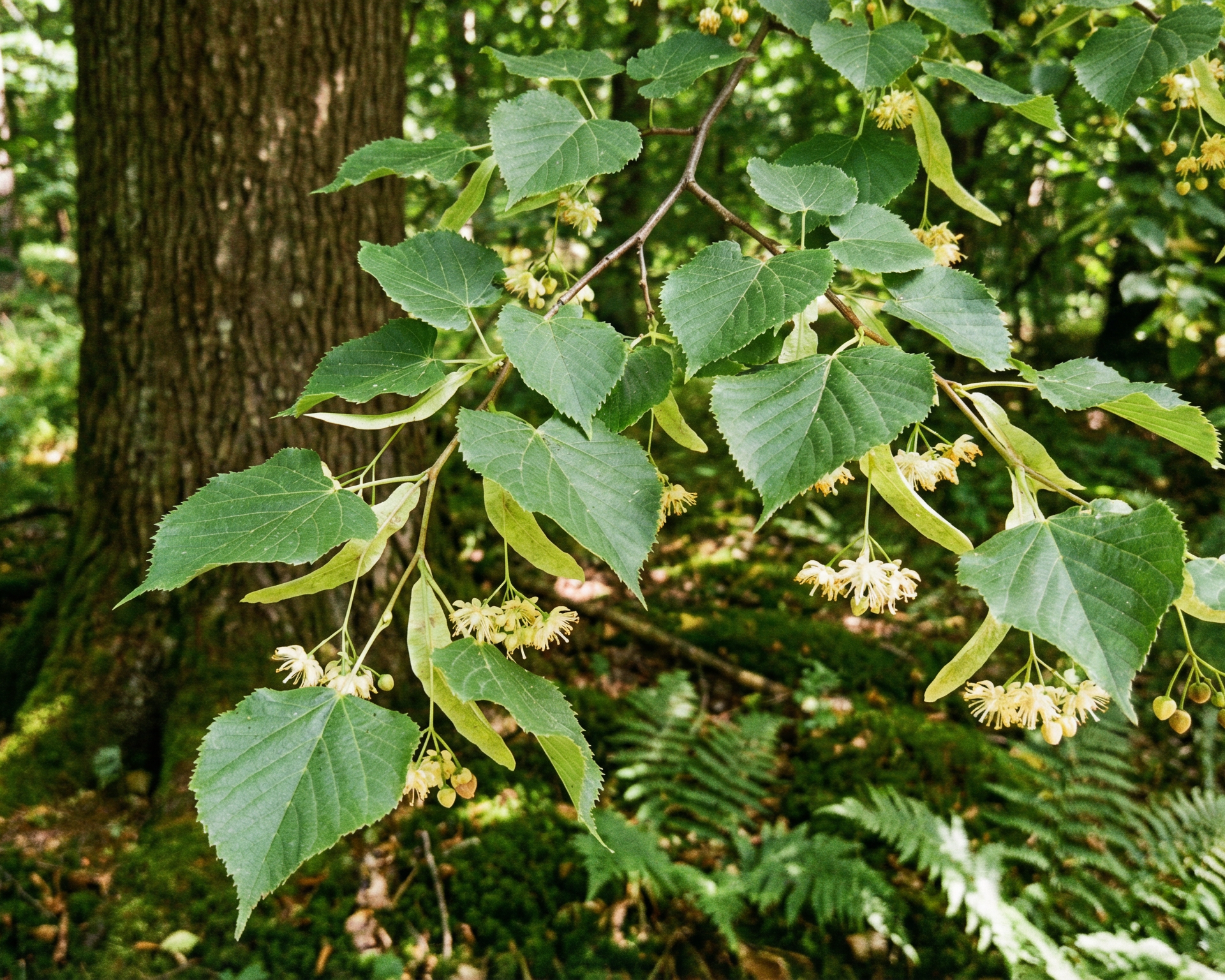
Linden trees, belonging to the genus Tilia, are a group of about 30 species of deciduous trees native to temperate regions of the Northern Hemisphere. Also commonly known as lime trees or basswoods, these trees are widely appreciated for their beauty, shade, and fragrant flowers. They are a familiar sight in parks, streets, and gardens across Europe, Asia, and North America. Lindens are characterized by their heart-shaped leaves with serrated edges, which are often asymmetrical at the base. The trees produce small, fragrant, yellowish-white flowers in drooping clusters, which are a favorite of bees and other pollinators. The flowers are followed by small, round, downy fruits. Linden trees can grow to be quite large, with some species reaching heights of over 100 feet. The uses and significance of linden trees are numerous. The wood, known as basswood, is soft, light, and easily worked, making it a popular choice for carving, model building, and musical instruments. The flowers are used to make a popular herbal tea, known for its calming and relaxing properties. In many cultures, the linden tree is a symbol of love, peace, and justice. In permaculture, linden trees are valued for their ability to attract beneficial insects and for their use as a nitrogen-fixing companion plant.
Plant facts
- Sun
- Full Sun, Partial Shade
- Water
- Regular, Low, Drought Tolerant
- USDA zones
- 3-7
- Lifecycle
- Perennial