Sandhills Native Nursery & Landscaping
Fountain, FL
10 options
From $30.00
Catalog checked Oct 1, 2026. Confirm availability before visiting.
10 nurseries listed
10 nurseries · 180 matching options
Fountain, FL
10 options
From $30.00
Catalog checked Oct 1, 2026. Confirm availability before visiting.
Largo, FL
23 options
From $35.00
Catalog checked Oct 1, 2026. Confirm availability before visiting.
Showing 9–10 of 10 nurseries
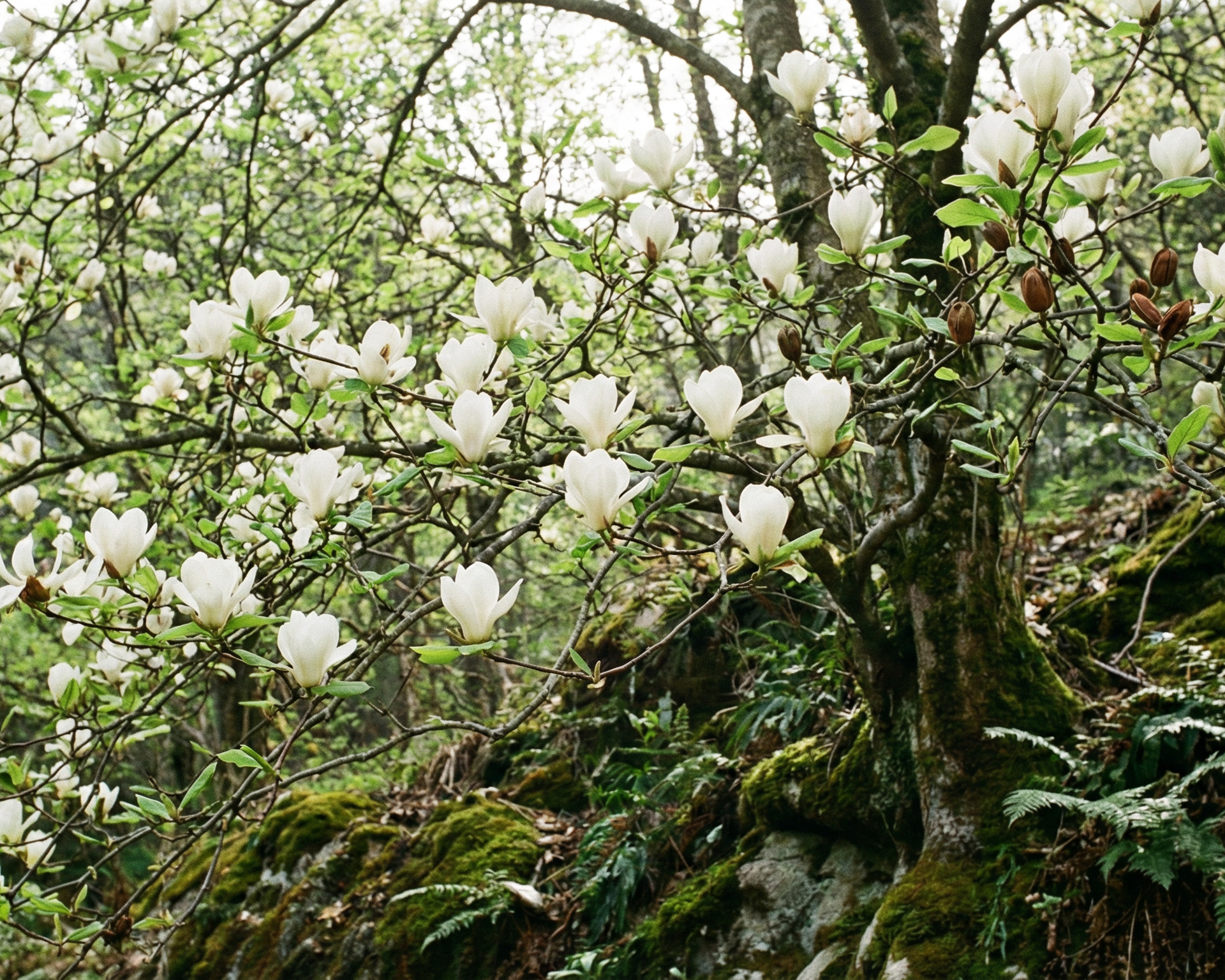
Magnolia is a large and ancient genus of about 210-340 species of flowering plants in the family Magnoliaceae. Named after the French botanist Pierre Magnol, this genus includes a diverse array of deciduous and evergreen trees and shrubs. Magnolias are celebrated for their large, fragrant, and often showy flowers, which can be bowl-shaped or star-shaped and come in a variety of colors, including white, pink, purple, green, and yellow. The genus has a disjunct distribution, with a primary center in East and Southeast Asia and a secondary center in eastern North America, Central America, the West Indies, and parts of South America. As one of the most primitive flowering plant genera, magnolias evolved before the appearance of bees, and their flowers are structured to be pollinated by beetles. Magnolias are characterized by their simple, alternate leaves and their striking flowers, which are composed of undifferentiated tepals rather than distinct sepals and petals. The flowers possess numerous stamens and carpels arranged in a spiral on a conical receptacle. After pollination, the carpels develop into a cone-like fruit structure that opens in the autumn to release seeds, which are often brightly colored. The bark of most magnolia species is smooth and gray. The size and form of magnolias vary greatly, from small shrubs like the Star Magnolia (Magnolia stellata) to large trees like the Southern Magnolia (Magnolia grandiflora), which can reach heights of 80 feet or more. The significance of magnolias extends across horticultural, culinary, medicinal, and cultural domains. Horticulturally, they are prized as ornamental plants in gardens and landscapes worldwide, with numerous cultivars and hybrids developed to enhance their flowering characteristics. In some Asian cuisines, the flowers and buds are pickled and used to flavor rice and tea, while in Japan, the leaves of Magnolia hypoleuca are used for cooking. The bark and flower buds of Magnolia officinalis have been used for centuries in traditional Chinese medicine for their anti-anxiety and anti-inflammatory properties. Culturally, the magnolia is a symbol of the American South, serving as the state flower of both Mississippi and Louisiana, and is also the national flower of North Korea. Most magnolias thrive in rich, well-drained, and slightly acidic soils. They generally prefer full sun to partial shade, although the specific requirements can vary by species. Once established, many magnolias are moderately drought-tolerant. Pruning is typically minimal and should be done primarily to remove dead or damaged branches or to maintain a desired shape. Because of their ancient lineage and diverse characteristics, magnolias continue to be a subject of fascination and study for botanists and a source of beauty and enjoyment for gardeners around the world.