Neel's Nursery
Encinitas, CA
23 options
Call for pricing
Catalog checked Oct 4, 2026. Confirm availability before visiting.
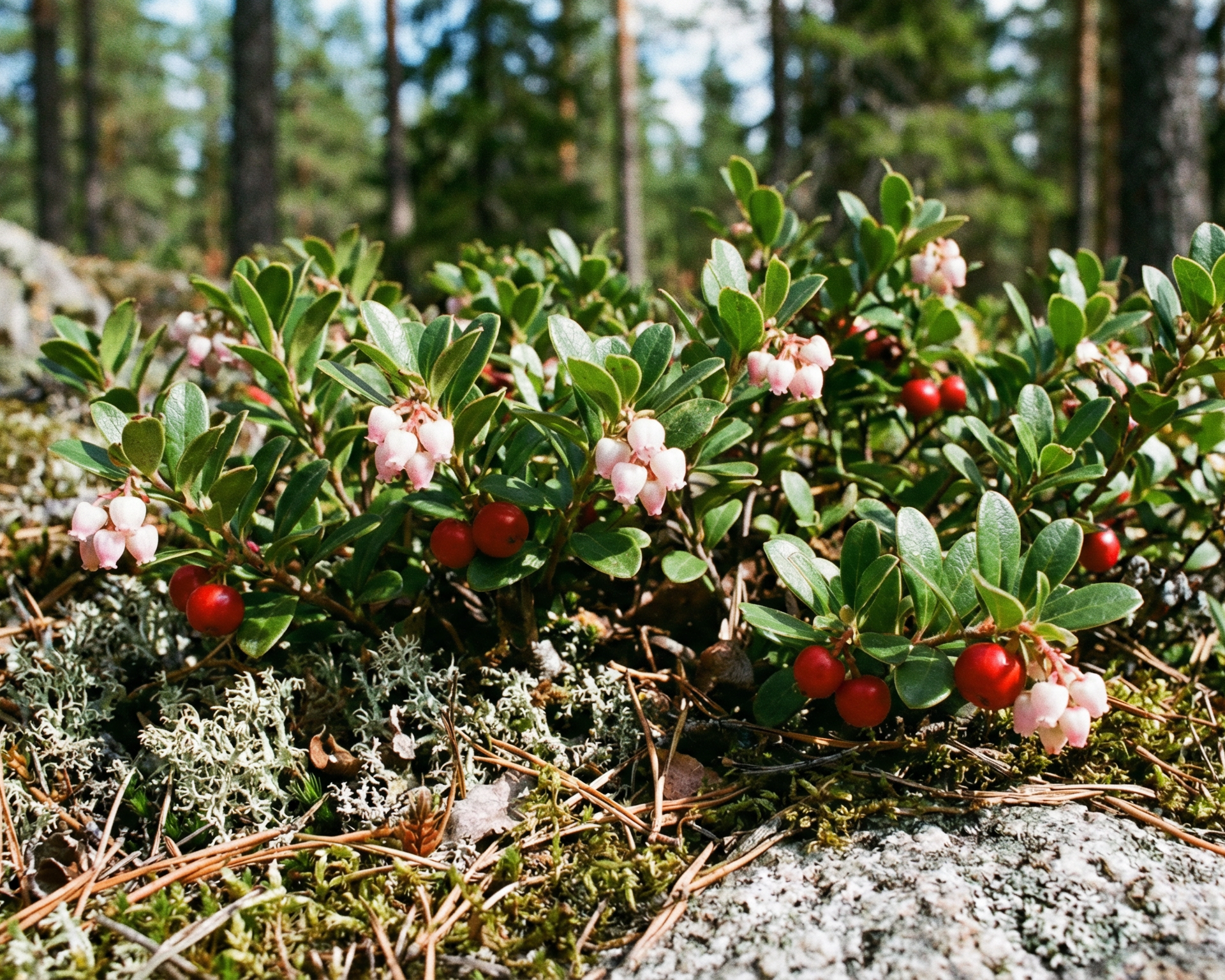
Arctostaphylos spp.
14 nurseries listed
14 nurseries · 97 matching options
Encinitas, CA
23 options
Call for pricing
Catalog checked Oct 4, 2026. Confirm availability before visiting.
Los Angeles, CA
13 options
Call for pricing
Catalog checked Oct 4, 2026. Confirm availability before visiting.
Oakland, CA
1 option
Call for pricing
Catalog checked Oct 1, 2026. Confirm availability before visiting.
Albany, OR
18 options
Call for pricing
Catalog checked Oct 1, 2026. Confirm availability before visiting.
Logan, UT
3 options
Call for pricing
Catalog checked Oct 1, 2026. Confirm availability before visiting.
Montclair, CA
1 option
Call for pricing
Catalog checked Oct 4, 2026. Confirm availability before visiting.
Showing 9–14 of 14 nurseries
Manzanita (Arctostaphylos spp.) is a genus of evergreen shrubs and small trees native to western North America, with a significant presence in the chaparral biome of California. The name "Manzanita" is Spanish for "little apple," a reference to the small, apple-like berries produced by the plant. The genus is highly diverse, with species ranging from low-growing ground covers to small, picturesque trees. Manzanitas are renowned for their striking aesthetic, featuring smooth, mahogany-colored bark, gnarled, twisting branches, and a dense canopy of leathery, evergreen leaves. They are a keystone species in their native habitats, providing food and shelter for a wide array of wildlife. The key characteristics of Manzanitas make them easily recognizable. Their bark is perhaps their most distinctive feature, often a deep reddish-brown that peels away to reveal a smooth, polished surface. The leaves are typically oval-shaped, bright green, and held upright, an adaptation to reduce water loss in their arid environments. In late winter to early spring, clusters of small, bell-shaped flowers, ranging in color from white to pink, adorn the branches, providing an early source of nectar for pollinators. These are followed by berries that ripen from white or green to a vibrant red or reddish-brown. The berries are an important food source for birds and mammals, and some species produce edible fruits that were traditionally used by Native Americans. Manzanitas hold significant ecological and cultural value. The berries were a staple food for many indigenous peoples, who ate them fresh, dried, or ground into a meal. A cider-like beverage was also made from the berries. The dense foliage provides crucial cover for birds and small mammals, and the flowers are an important nectar source for hummingbirds, butterflies, and native bees. In a horticultural context, Manzanitas are prized for their beauty, drought tolerance, and value to wildlife. They are excellent choices for water-wise gardens, serving as specimen plants, informal hedges, or erosion control on slopes. Their unique branching structure also makes them a source of "mountain driftwood" for decorative purposes. Growing Manzanitas requires an understanding of their native habitat. They thrive in full sun to light shade and require well-drained soil. Once established, they are exceptionally drought-tolerant and require little to no supplemental summer water. In fact, overwatering, especially during the warm summer months, can be detrimental and lead to fungal diseases. Pruning should be done sparingly and only during the dry season to shape the plant or remove dead wood. Propagation is typically done from seed, which often requires specific treatments like fire or scarification to germinate, mimicking the natural conditions of their environment.