Maple
Acer spp.
61 nurseries listed
Compare nurseries
Nurseries with recorded shipping, across all locations. Confirm delivery to your address and availability on the nursery website.
1 nursery · 9 matching options
1 location on the map. Select a marker or a nursery to compare.
Preparing the map…
Your location isn’t saved. Confirm availability and delivery area with the nursery.
About Maple
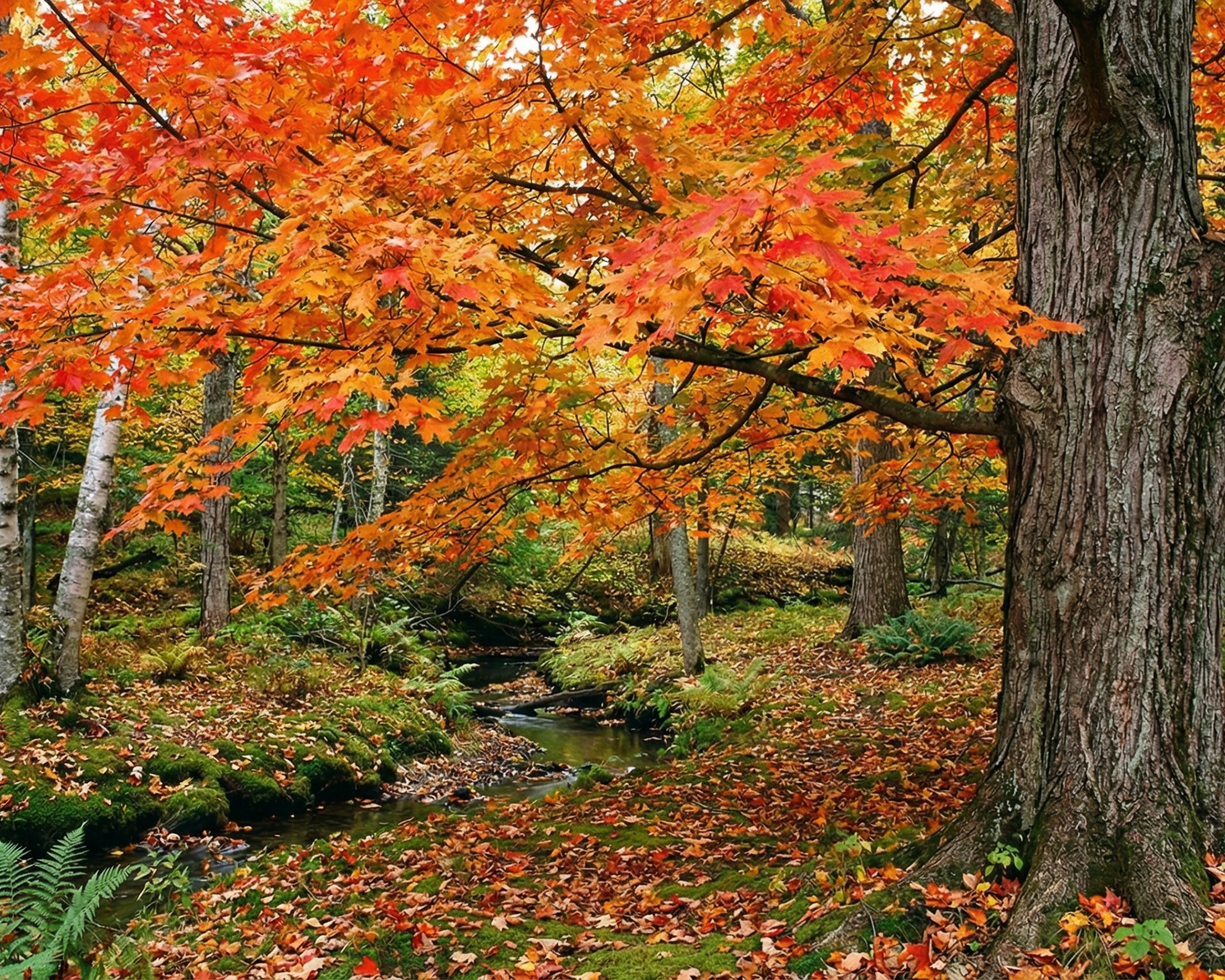
The genus Acer, commonly known as Maple, comprises a diverse group of trees and shrubs belonging to the soapberry family, Sapindaceae. With approximately 128 species, maples are predominantly found across the Northern Hemisphere, from Asia and Europe to North Africa and North America. These deciduous trees are celebrated for their spectacular fall foliage, which transforms landscapes with vibrant shades of yellow, orange, and red. Maples are characterized by their opposite leaf arrangement, and their leaves are typically simple and palmately lobed, creating the iconic shape recognized worldwide. Maples exhibit a wide range of sizes, from small shrubs under 10 meters to large trees that can reach heights of over 40 meters. Their leaves are most commonly five-lobed with toothed margins, though the specifics can vary between species. In the spring, maples produce small, inconspicuous flowers that can be green, yellow, or red, often appearing in clusters. The fruit of the maple is a distinctive double-winged samara, colloquially known as a "helicopter" or "whirlybird," which autorotates as it falls, allowing for wind dispersal of the seeds. The significance of maple trees extends across various cultural and economic domains. The most famous product derived from maples is maple syrup, which is produced by tapping the sap of certain species, primarily the Sugar Maple (Acer saccharum). The hard, dense wood of maple is highly valued in woodworking and is used to create furniture, flooring, cabinetry, and musical instruments such as violins and guitars, where it is prized as a tonewood for its excellent sound-carrying properties. Ecologically, maples provide food and habitat for a variety of wildlife, and they are widely planted as ornamental shade trees in parks and gardens for their beauty and resilience.
Plant facts
- Sun
- Full Sun, Partial Sun, Partial Shade
- Water
- Regular, Drought Tolerant
- USDA zones
- 3-9
- Lifecycle
- Perennial