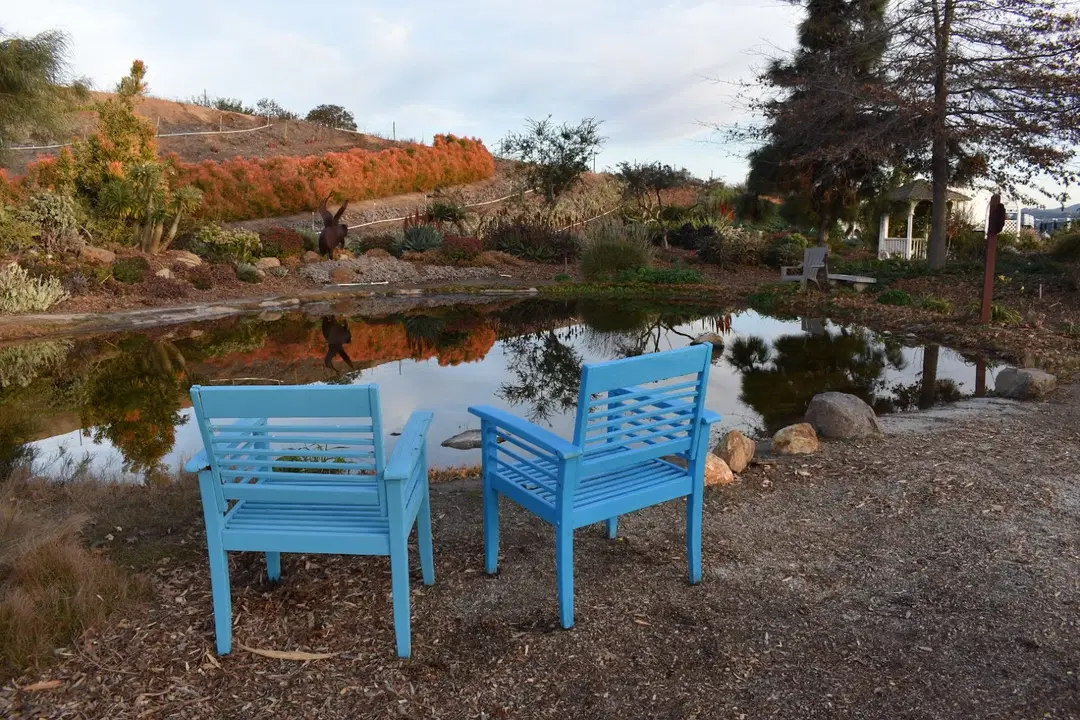
 On site
Waterwise Botanicals
Bonsall, CA
1option
Listed as “Tagetes lemmonii”
Variety not confirmedAsk about sizesCall for pricing
Catalog checked Nov 15, 2026. Confirm availability before visiting.
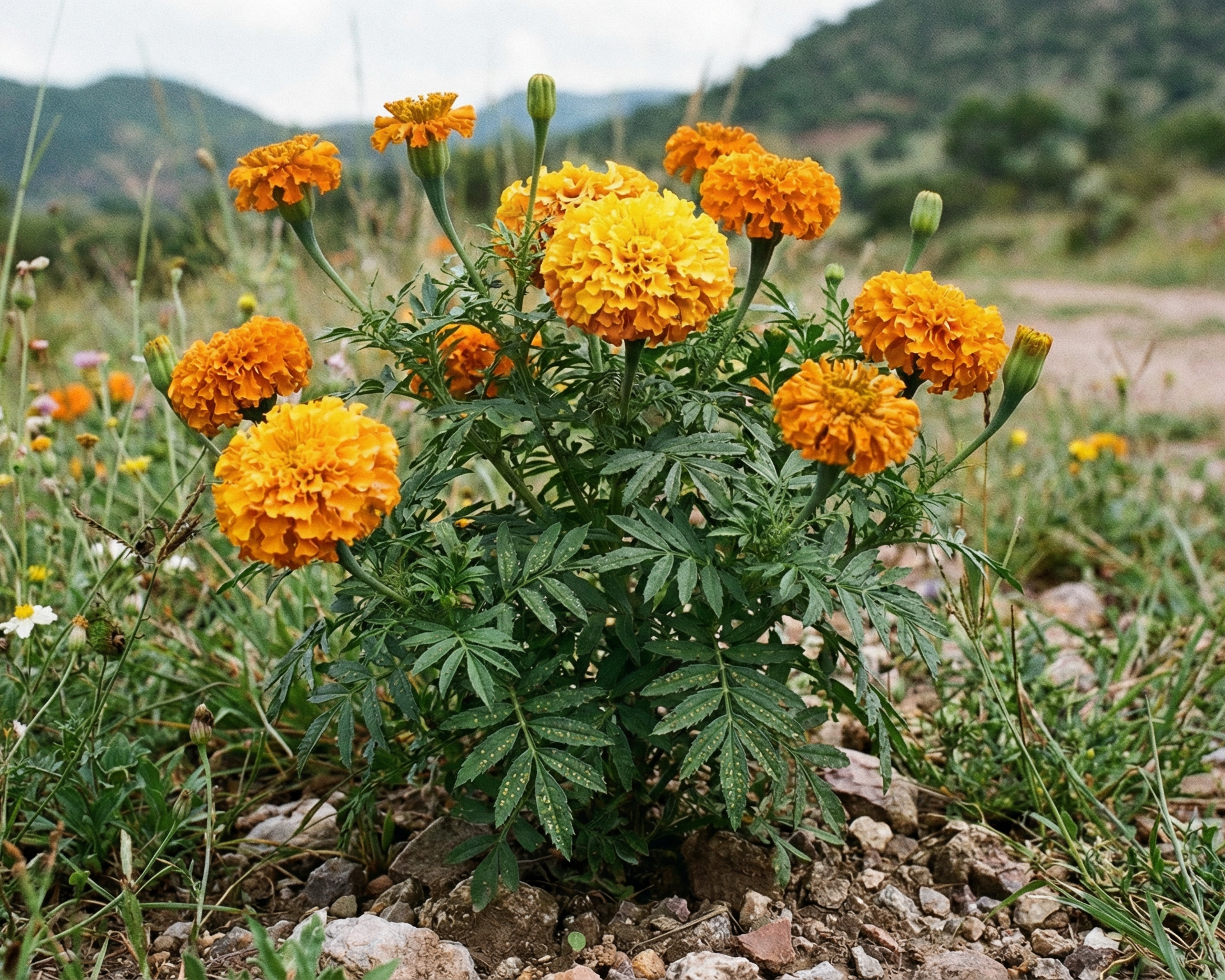
Tagetes spp.
The genus Tagetes, commonly known as marigold, encompasses a diverse group of about 50 species of annual and perennial herbaceous plants belonging to the sunflower family (Asteraceae). Read more
11 nurseries · 29 matching options
On siteBonsall, CA
1option
Listed as “Tagetes lemmonii”
Call for pricing
Catalog checked Nov 15, 2026. Confirm availability before visiting.
 On site
Montclair, CA
1option
Listed as “Compact Mexican Bush Marigold - Tagetes lemmonii 'Compacta'”
Call for pricing
Catalog checked Nov 15, 2026. Confirm availability before visiting.
 On site
Aiken, SC
2options
Listed as “Tagetes lucida”
Call for pricing
Catalog checked Nov 15, 2026. Confirm availability before visiting.
Showing 9 to 11 of 11 nurseries
Explore the complete plant collection, including varieties with no nursery listings yet.
Not yet listed: Colossus, Durango Red, French Brocade, Heirloom Signet Starfire, Lemon Gem, Moonlight, Mr. Majestic Double, Orange & Yellow Beast, Paprika, Pinwheel, Queen Sophia, Red Gem, Tangerine Gem, White Swan F1
0 nurseries listed
The genus Tagetes, commonly known as marigold, encompasses a diverse group of about 50 species of annual and perennial herbaceous plants belonging to the sunflower family (Asteraceae). Native to the Americas, particularly Mexico and Central America, these plants have been cultivated and naturalized in various parts of the world. The name "marigold" is derived from "Mary's gold," a name originally given to a similar European plant, Calendula officinalis, in honor of the Virgin Mary. The most common species in cultivation are African marigolds (Tagetes erecta), French marigolds (Tagetes patula), and signet marigolds (Tagetes tenuifolia).
Marigolds are prized for their vibrant, showy flowers, which bloom in shades of yellow, orange, gold, and white, often with maroon highlights. The flower heads are typically 1 to 4 inches in diameter and consist of both ray and disc florets. The plants themselves range in height from a few inches to several feet tall, with pinnate (feather-like) green leaves that are aromatic when crushed. Most marigolds have a pungent, musky scent, although some modern cultivars have been bred to be odorless. They thrive in full sun and well-drained soil and are known for their tolerance to drought and ability to grow in a variety of conditions.
Beyond their ornamental value, marigolds have a rich history of culinary, medicinal, and cultural uses. The florets of Tagetes erecta are a source of lutein, a carotenoid used as a food coloring (E161b) in the European Union. Certain species, such as Tagetes lucida (Mexican mint marigold), are used as culinary herbs and to make medicinal teas. The pungent aroma of many marigold varieties is due to the presence of thiophenes in their roots, which have insecticidal and nematicidal properties, making them a popular choice for companion planting in vegetable gardens to deter pests. Culturally, marigolds, particularly Tagetes erecta, hold significant importance in Mexico's Day of the Dead celebrations, where they are known as "flor de muerto" (flower of the dead) and are used to decorate altars and graves.