Just Fruits and Exotics
Crawfordville, FL
3 options
From $19.99
Catalog checked Oct 1, 2026. Confirm availability before visiting.
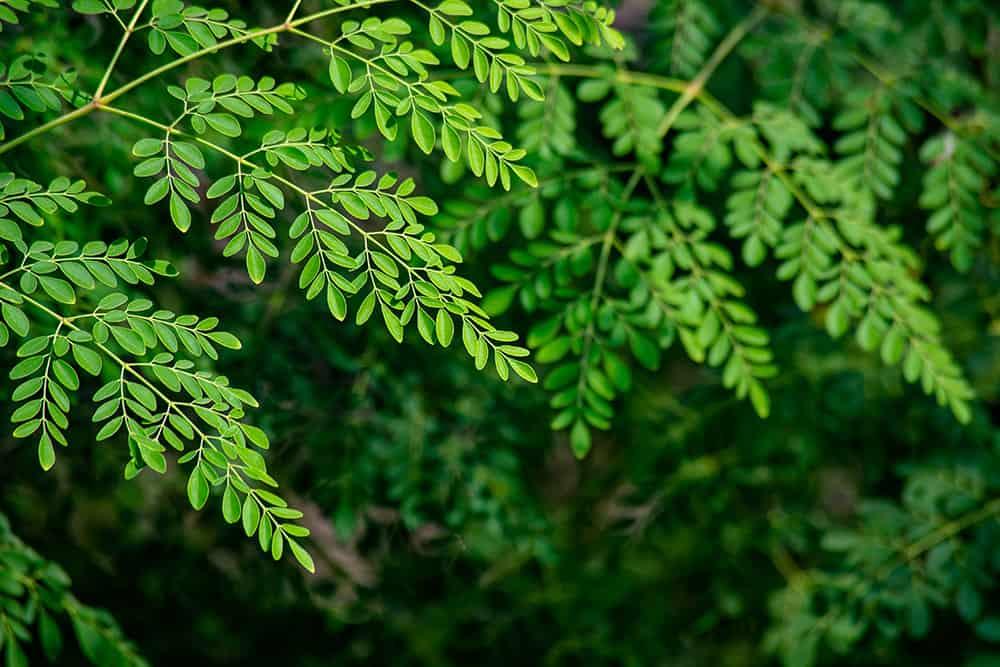
Moringa oleifera
16 nurseries listed
16 nurseries · 44 matching options
Crawfordville, FL
3 options
From $19.99
Catalog checked Oct 1, 2026. Confirm availability before visiting.
Houston, TX
8 options
Call for pricing
Catalog checked Oct 1, 2026. Confirm availability before visiting.
Warwick, NY
1 option
From $9.95
Catalog checked Oct 1, 2026. Confirm availability before visiting.
Los Angeles, CA
1 option
Call for pricing
Catalog checked Oct 4, 2026. Confirm availability before visiting.
Oakland, CA
1 option
Call for pricing
Catalog checked Oct 1, 2026. Confirm availability before visiting.
Corona Del Mar, CA
1 option
Call for pricing
Catalog checked Oct 4, 2026. Confirm availability before visiting.
Miami, FL
6 options
From $37.50
Catalog checked Oct 1, 2026. Confirm availability before visiting.
Hempstead, TX
1 option
From $30.00
Catalog checked Oct 1, 2026. Confirm availability before visiting.
Showing 9–16 of 16 nurseries
Moringa, often referred to as the "miracle tree" or "drumstick tree," is a genus of trees and shrubs native to parts of Africa and Asia. The most widely known species is Moringa oleifera, a fast-growing, drought-resistant tree from the Himalayan foothills in northwestern India. For centuries, various cultures have revered this plant for its exceptional nutritional and medicinal properties. Every part of the Moringa tree, from its leaves and flowers to its seeds and roots, offers a wealth of benefits, making it a vital resource in regions prone to malnutrition and a popular supplement across the globe. The Moringa tree is characterized by its slender trunk, feathery, tripinnate leaves, and drooping branches. It can reach heights of up to 12 meters, though it is often pruned to a more manageable size for easier harvesting. The tree produces fragrant, yellowish-white flowers that develop into long, slender, three-sided seed pods known as "drumsticks." These pods, along with the leaves, are the most commonly consumed parts of the plant. Moringa's ability to thrive in arid and semi-arid climates, coupled with its rapid growth cycle, makes it a sustainable and resilient crop. The uses of Moringa are as diverse as its nutritional profile. In many parts of the world, the leaves and pods are staple ingredients in soups, curries, and salads. The leaves, which are rich in vitamins, minerals, and protein, are often dried and ground into a powder for use as a dietary supplement. Beyond its culinary applications, Moringa has a long history in traditional medicine, where it is used to treat a wide range of ailments. The seeds can even be used to purify water, and the oil extracted from them is prized in the cosmetics industry. Its multifaceted benefits and adaptability have cemented Moringa's status as a truly remarkable and significant plant for both sustenance and healing.
Explore the complete plant collection, including varieties with no nursery listings yet.