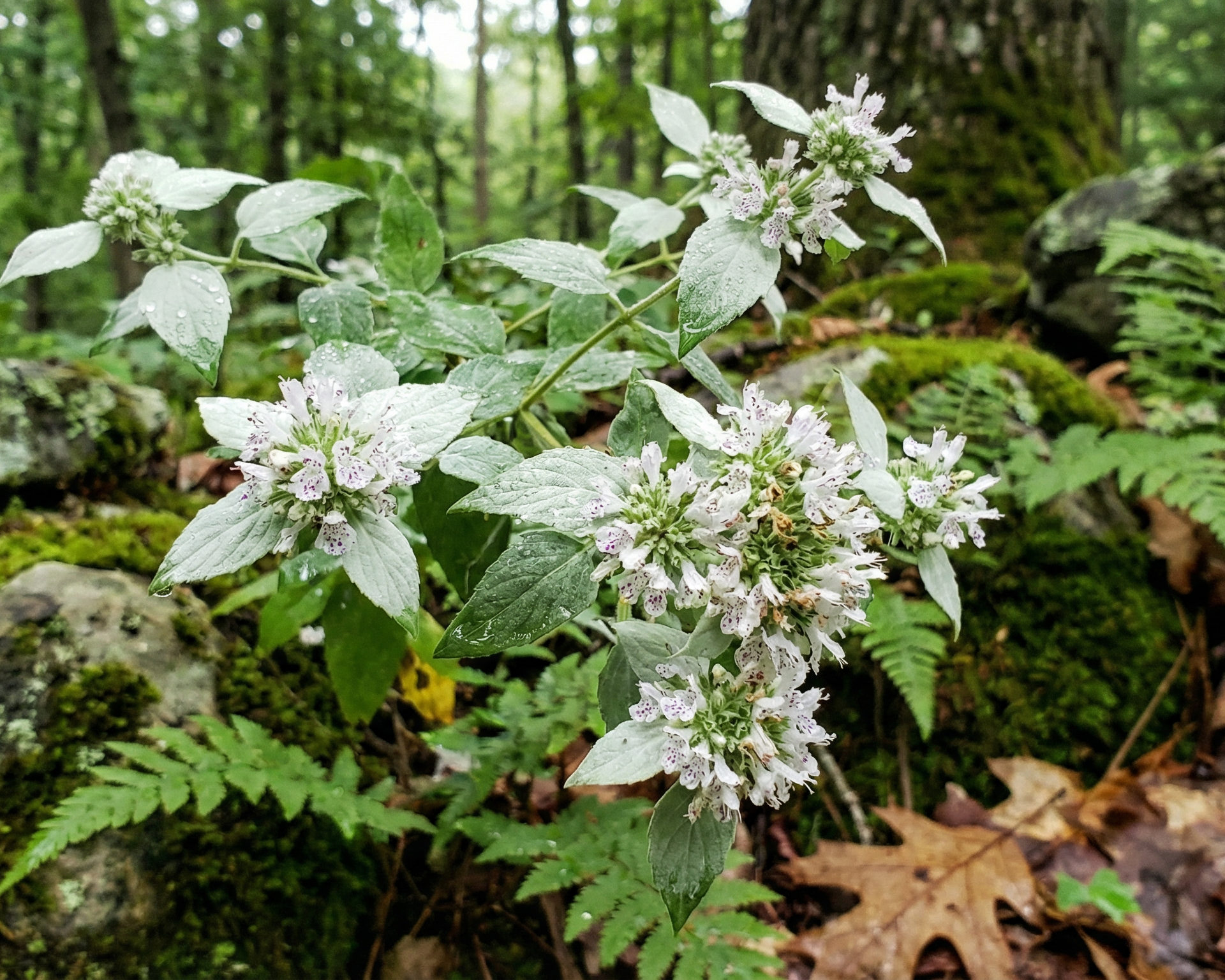
Mountain mint
Pycnanthemum spp.
18 nurseries nationwide
Compare nurseries
Choose a city or ZIP to find nearby growers. Showing nationwide listings until you choose an area.
18 nurseries · 33 matching options
17 locations on the map; 1 without mapped coordinates below. Select a marker or a nursery to compare.
Preparing the map…
Your location isn’t saved. Confirm availability and visiting hours with the nursery.
1 nursery without a mapped location
Green Isle Gardens
Groveland, FL
1 matching option
Call for pricing
View matching optionsCatalog checked Oct 2, 2026. Confirm the plant and visiting hours with the nursery.
About Mountain mint
Pycnanthemum, commonly known as mountain mint, is a genus of about 20 species of aromatic herbaceous perennials in the mint family (Lamiaceae). Native to North America, with a concentration of species in the eastern United States, these plants are celebrated for their vigorous growth and significant value to pollinators. The name Pycnanthemum is derived from the Greek words "pyknos" (dense) and "anthos" (flower), aptly describing the tightly packed flower heads that characterize the genus. When crushed, the leaves release a potent, pleasant fragrance, varying from peppermint to thyme depending on the species. Mountain mints typically grow to a height of 1 to 3 feet, featuring the square stems characteristic of the mint family. They spread through rhizomes, with some species being quite aggressive, making them suitable for naturalized areas where they can form substantial colonies. The leaves are generally simple and vary in shape from narrow and linear to broad and ovate. From mid-summer to early fall, the plants are topped with dense clusters of small, two-lipped flowers, which range in color from white to pale lavender and are often spotted with purple. These long-lasting blooms are a magnet for a diverse array of pollinators. Historically and culturally, mountain mints have held a significant place. Native Americans used them for a variety of medicinal purposes, and the aromatic leaves are still used today to make herbal teas and as a flavoring in culinary dishes. In the garden, they are prized for their ecological benefits. Considered a "pollinator powerhouse," mountain mints attract and support a wide range of bees, wasps, butterflies, and other beneficial insects. Their strong scent also makes them highly resistant to browsing by deer and other mammals, adding to their utility in the landscape. Cultivation of mountain mint is relatively straightforward. These hardy perennials thrive in a range of conditions from full sun to partial shade and adapt to various soil types, from moist to dry, as long as the soil is well-drained. They are low-maintenance plants that are tolerant of drought once established. For gardeners who wish to control their spread, root pruning in the spring can effectively manage the rhizomatous growth. Their combination of beauty, fragrance, and wildlife value makes them an excellent choice for native plant gardens, pollinator habitats, and naturalized landscapes.
Plant facts
- Sun
- Full Sun, Partial Sun, Partial Shade
- Water
- Regular
- USDA zones
- 4-9
- Lifecycle
- Perennial