 On site
Living Soil Tree Farm
Hillsborough, NC
2options
Listed as “White mulberry (Morus Alba)”
Variety not confirmedAsk about sizesOne of 2 nursery listingsCall for pricing
Catalog checked Nov 15, 2026. Confirm availability before visiting.
Morus spp.
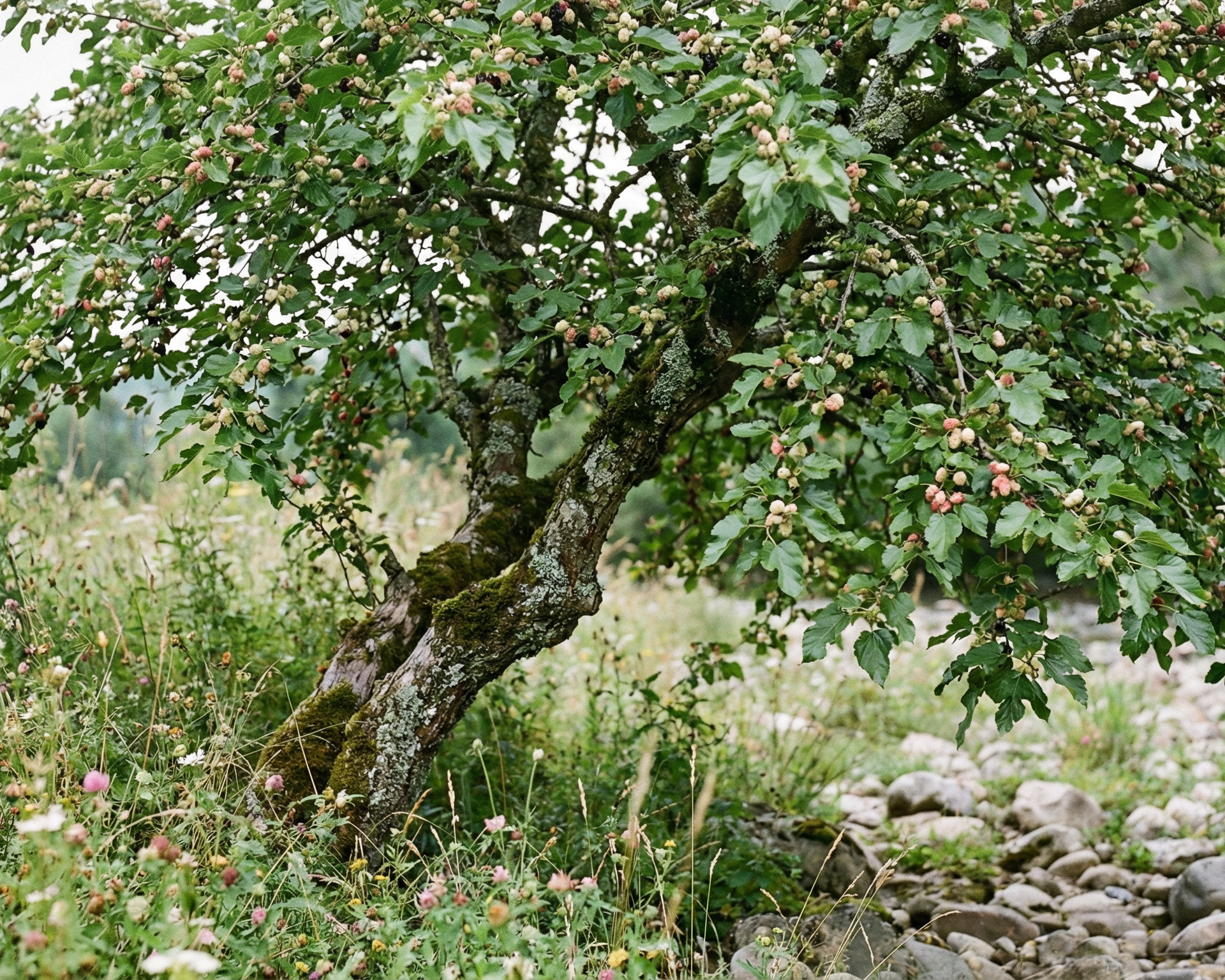
Mulberry, from the genus Morus, is a group of about 10 to 19 species of deciduous trees and shrubs belonging to the Moraceae family. These plants are native to temperate and subtropical regions of Asia, Europe, and North America, and are widely cultivated elsewhere. Read more
27 nurseries · 260 matching options
Choose a city or ZIP to find nearby growers. Showing nationwide listings until you choose an area.
On siteHillsborough, NC
2options
Listed as “White mulberry (Morus Alba)”
Call for pricing
Catalog checked Nov 15, 2026. Confirm availability before visiting.
 On site
Chatsworth, GA
12options
Listed as “Morus rubra ~ Red Mulberry”
From $35.00
Catalog checked Nov 15, 2026. Confirm availability before visiting.
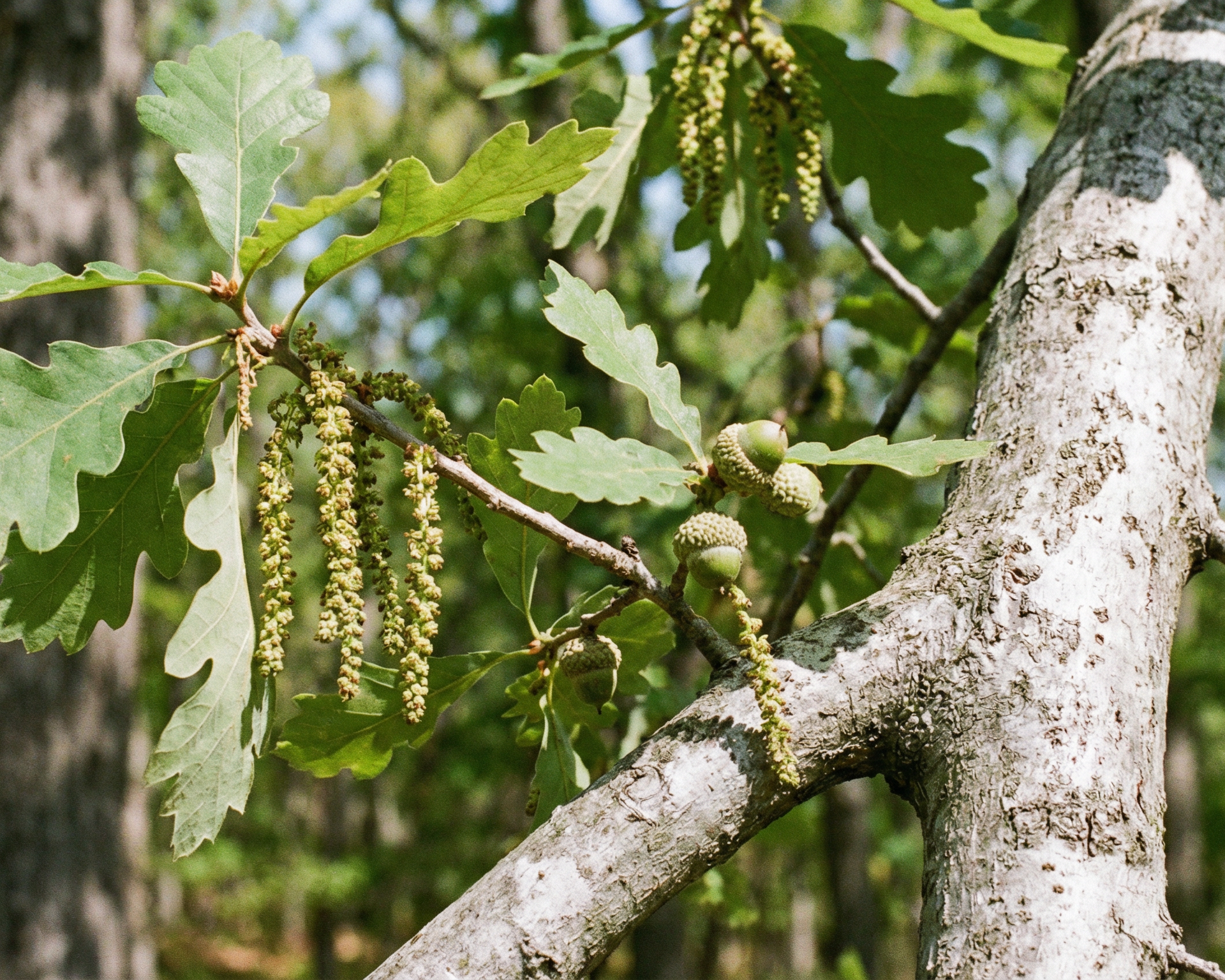 Plants they list
Carpinteria, CA
3options
Listed as “MORUS alba Std”
From $10.00
Catalog checked Nov 15, 2026. Confirm availability before visiting.
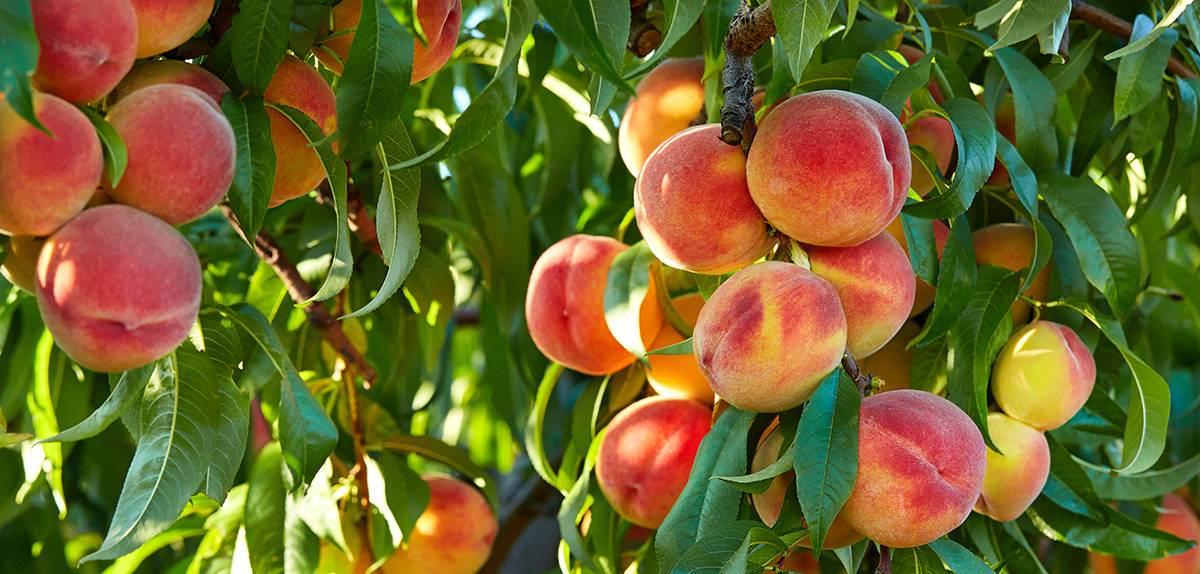 Plants they list
Stanford, KY
34options
Listed as “Illinois Everbearing Mulberry”
From $49.99
Catalog checked Nov 15, 2026. Confirm availability before visiting.
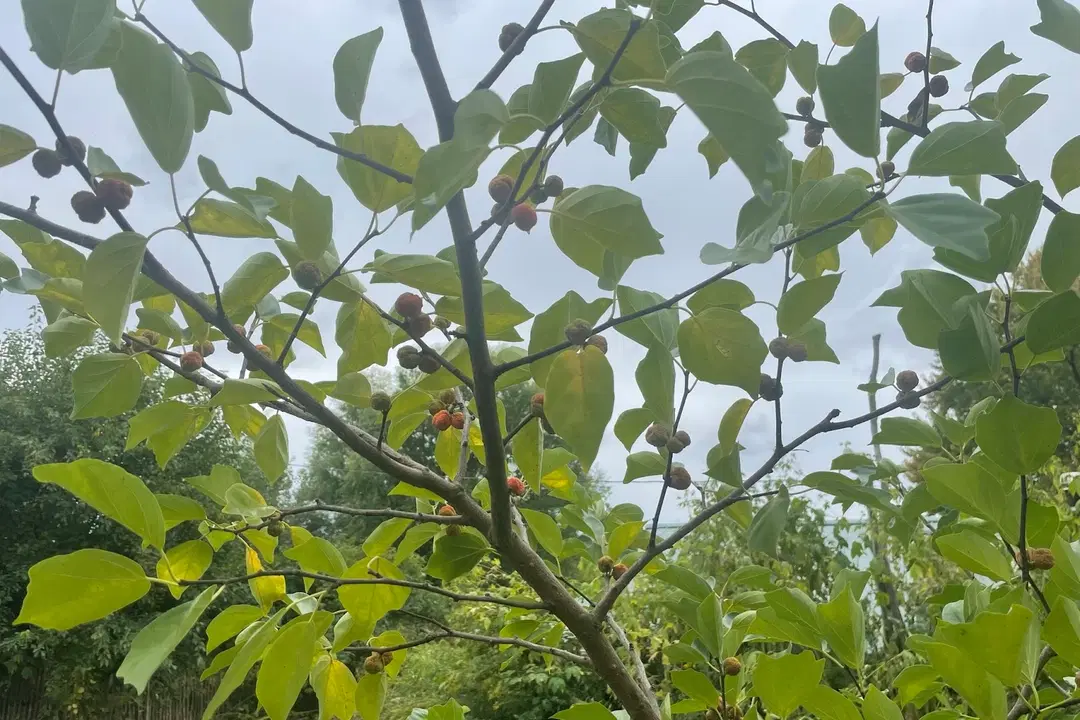 On site
La Plata, MO
1option
Listed as “White Mulberry, Morus alba Zones 4-9”
$20.00
Catalog checked Nov 15, 2026. Confirm availability before visiting.
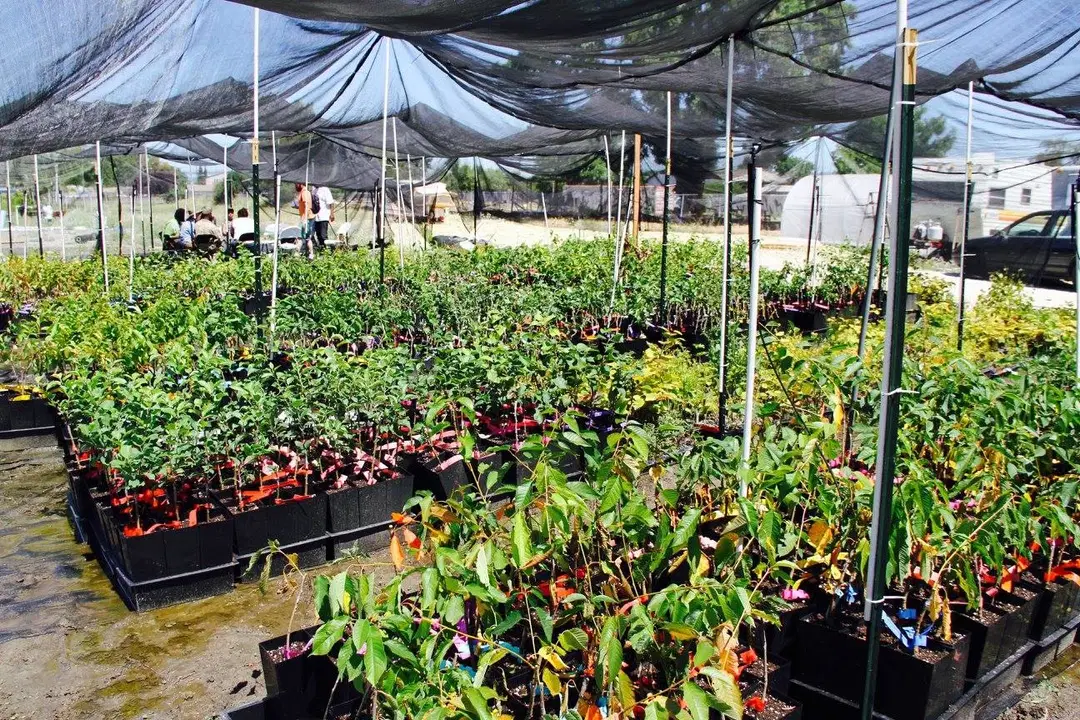 On site
Oakland, CA
4options
Listed as “Contorted Mulberry (Morus indica)”
Call for pricing
Catalog checked Nov 15, 2026. Confirm availability before visiting.
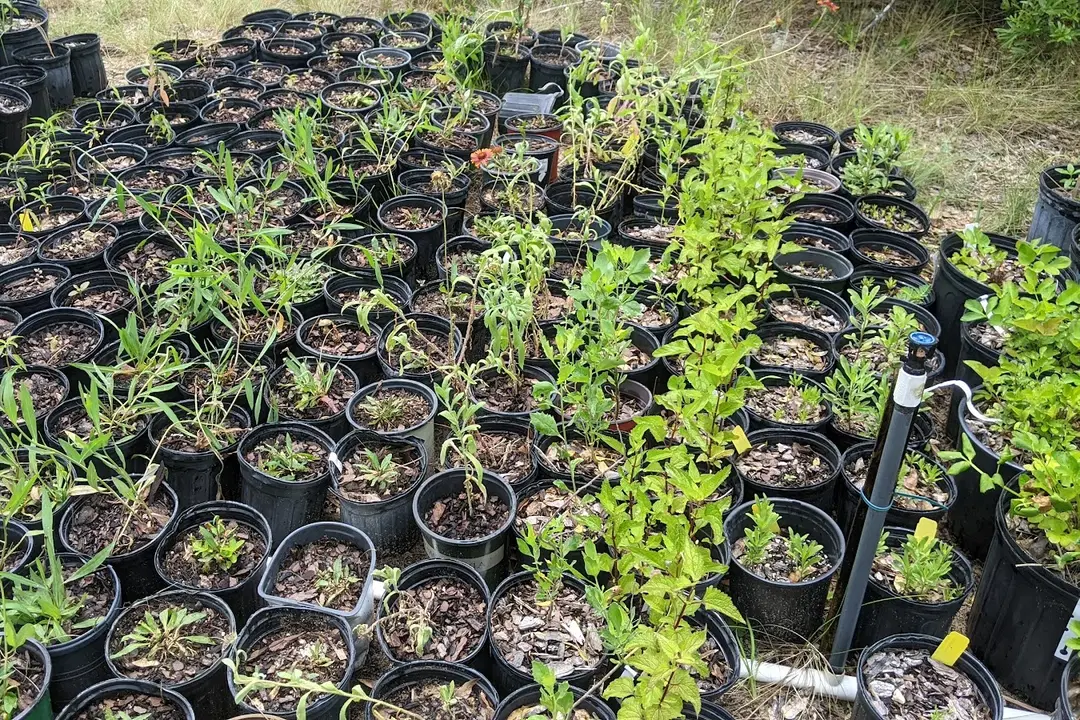 On site
Fountain, FL
2options
Listed as “Red Mulberry”
From $30.00
Catalog checked Nov 15, 2026. Confirm availability before visiting.
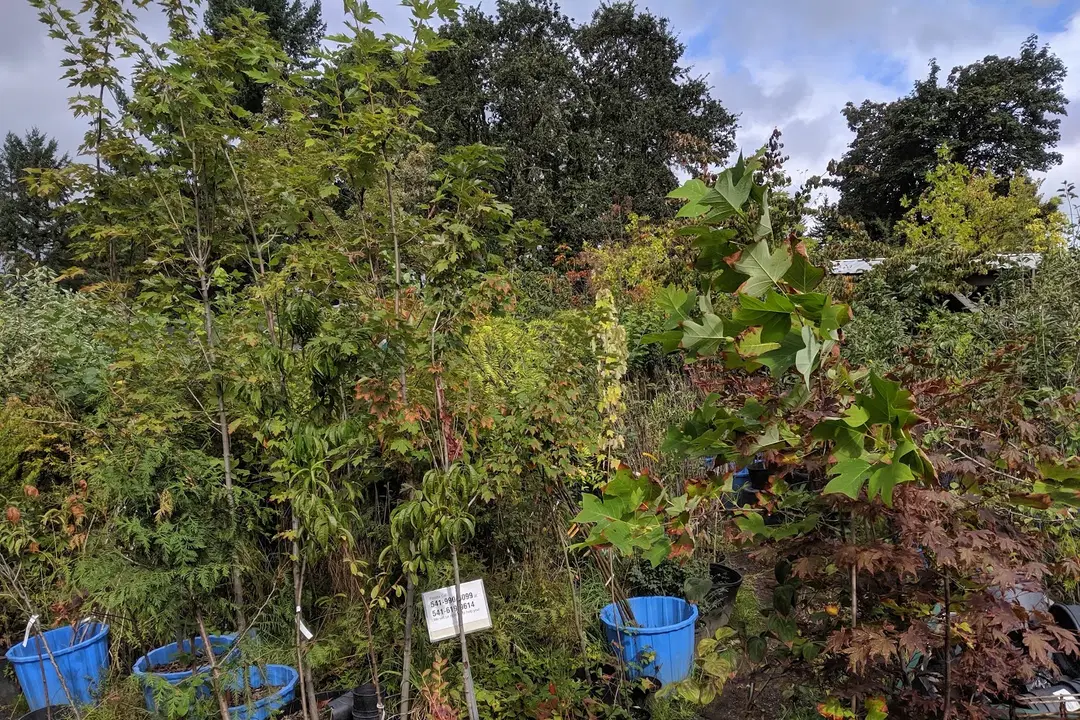 On site
Albany, OR
12options
Listed as “White mulberry (Morus alba) - Sweeter Fruit than black mulberries”
Call for pricing
Catalog checked Nov 15, 2026. Confirm availability before visiting.
Showing 17 to 24 of 27 nurseries
Load more nurseriesExplore the complete plant collection, including varieties with no nursery listings yet.
Not yet listed: Black Beauty, Black Persian, Chelsea, Collier, Gerardi Dwarf, Hicks, Kokuso, New American, Noir, Oscar, Shangri-La, Skinner, Stubbs, Tehama, Townsend, Travis, Wellington
0 nurseries listed
Mulberry, from the genus Morus, is a group of about 10 to 19 species of deciduous trees and shrubs belonging to the Moraceae family. These plants are native to temperate and subtropical regions of Asia, Europe, and North America, and are widely cultivated elsewhere. Mulberries are perhaps most famous for their connection to the silk industry, as the leaves of the white mulberry (Morus alba) are the sole food source for silkworms. Beyond their economic importance, these trees are also appreciated for their rapid growth and the sweet, flavorful fruit they produce.
The key characteristics of mulberry trees include their small to medium size, typically reaching heights of 30 to 50 feet. Their leaves are simple, alternate, and often polymorphic, meaning they can have various shapes on the same tree. The trees are often dioecious, with male and female flowers appearing on separate plants in the spring. The fruit, which ripens in summer, is not a true berry but a collective fruit, similar in structure to a blackberry. The color of the fruit can vary from white to red to dark purple, and it is known for its sweet and slightly tart flavor.
Mulberries have a wide range of uses and cultural significance. The fruits are enjoyed fresh and can be made into pies, tarts, wines, and cordials. In many cultures, they are a traditional food source and are also used in herbal medicine. The wood of some mulberry species is valued for its durability and is used in crafting and woodworking. In permaculture and sustainable agriculture, mulberries are prized for their hardiness, fast growth, and abundant fruit production, making them a valuable addition to food forests and home gardens.