Oak
Quercus spp.
73 nurseries listed
Compare nurseries
73 nurseries · 706 matching options
72 locations on the map; 1 without mapped coordinates below. Select a marker or a nursery to compare.
Preparing the map…
Your location isn’t saved. Confirm availability and visiting hours with the nursery.
1 nursery without a mapped location
Green Isle Gardens
Groveland, FL
3 matching options
Call for pricing
View matching optionsCatalog checked Oct 2, 2026. Confirm the plant and visiting hours with the nursery.
About Oak
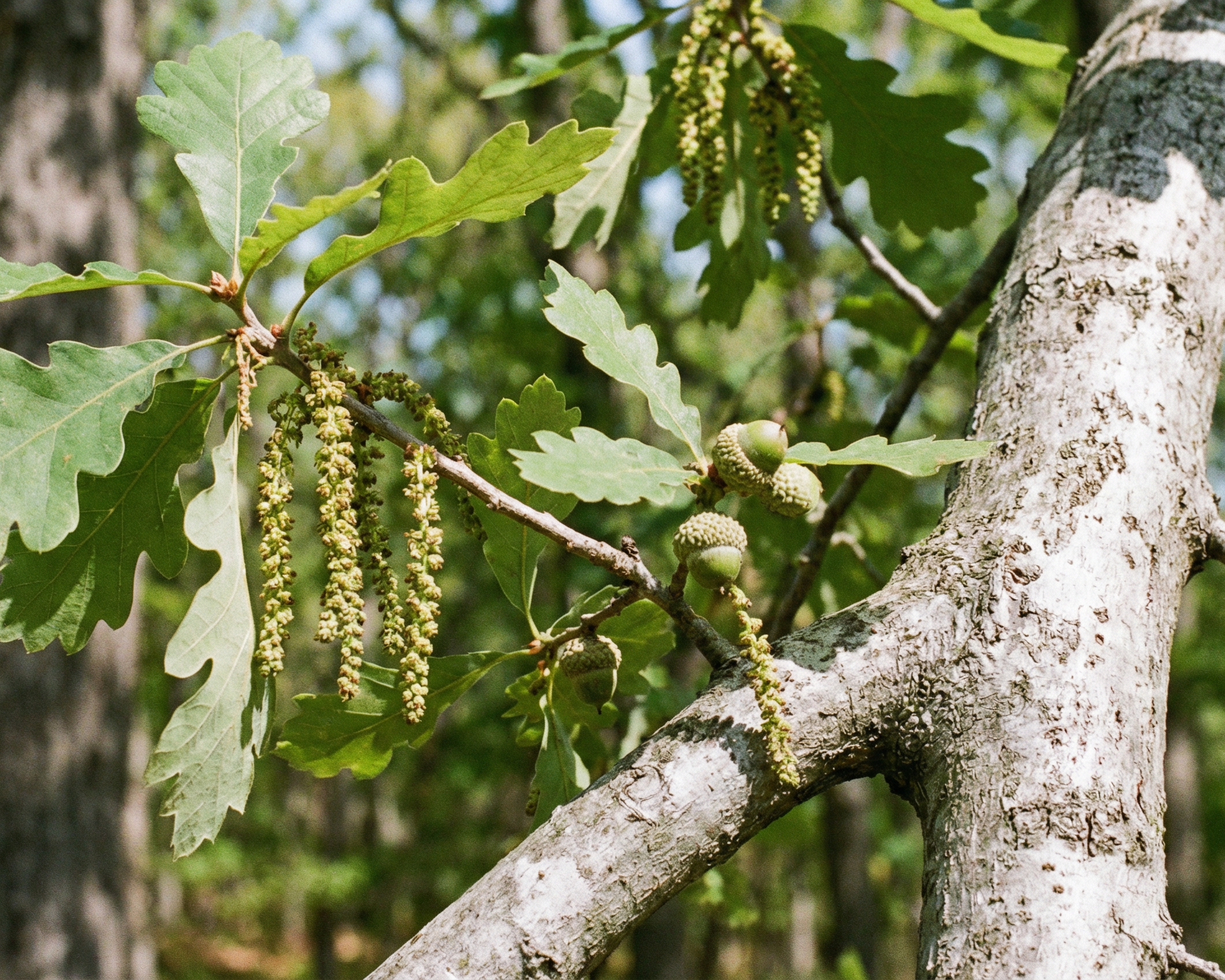
Oak (Quercus) Oaks, belonging to the genus Quercus, are a diverse group of about 500 species of trees and shrubs in the beech family (Fagaceae). They are a cornerstone of the Northern Hemisphere's forests, with a range extending from cold latitudes to tropical Asia and the Americas. Oaks can be either deciduous, shedding their leaves in the fall, or evergreen, retaining their foliage year-round. These plants are characterized by their simple, spirally arranged leaves, which are often lobed, and their fruit, a nut called an acorn, which is borne in a cup-like structure. Key Characteristics Oaks are known for their impressive size and longevity, with some individuals living for over a thousand years. Their leaves are highly variable in shape, from deeply lobed to almost smooth, and can provide a brilliant display of color in the autumn. The bark of most oak species is gray and fissured, becoming more rugged with age. A key feature of the genus is the acorn, which varies in size and shape among species and is a vital food source for a wide range of wildlife. Uses and Significance Oaks have been a vital resource for humans for centuries. The wood, known for its strength, hardness, and durability, is highly valued for construction, furniture, flooring, and barrel making for aging wine and spirits. The bark of some species, particularly the cork oak (Quercus suber), is the source of commercial cork. Tannins extracted from the bark have been traditionally used for tanning leather. Acorns, while toxic to some animals if eaten in large quantities, can be processed into a flour for human consumption and are used as feed for livestock. Beyond their economic importance, oaks hold significant cultural value, symbolizing strength, endurance, and wisdom in many societies. They are also keystone species in their ecosystems, supporting a vast array of insects, birds, and mammals.
Plant facts
- Sun
- Full Sun, Partial Sun
- Water
- Drought Tolerant, Low
- USDA zones
- 3-9
- Lifecycle
- Perennial