Plant Material
Los Angeles, CA
2 options
Call for pricing
Catalog checked Oct 4, 2026. Confirm availability before visiting.
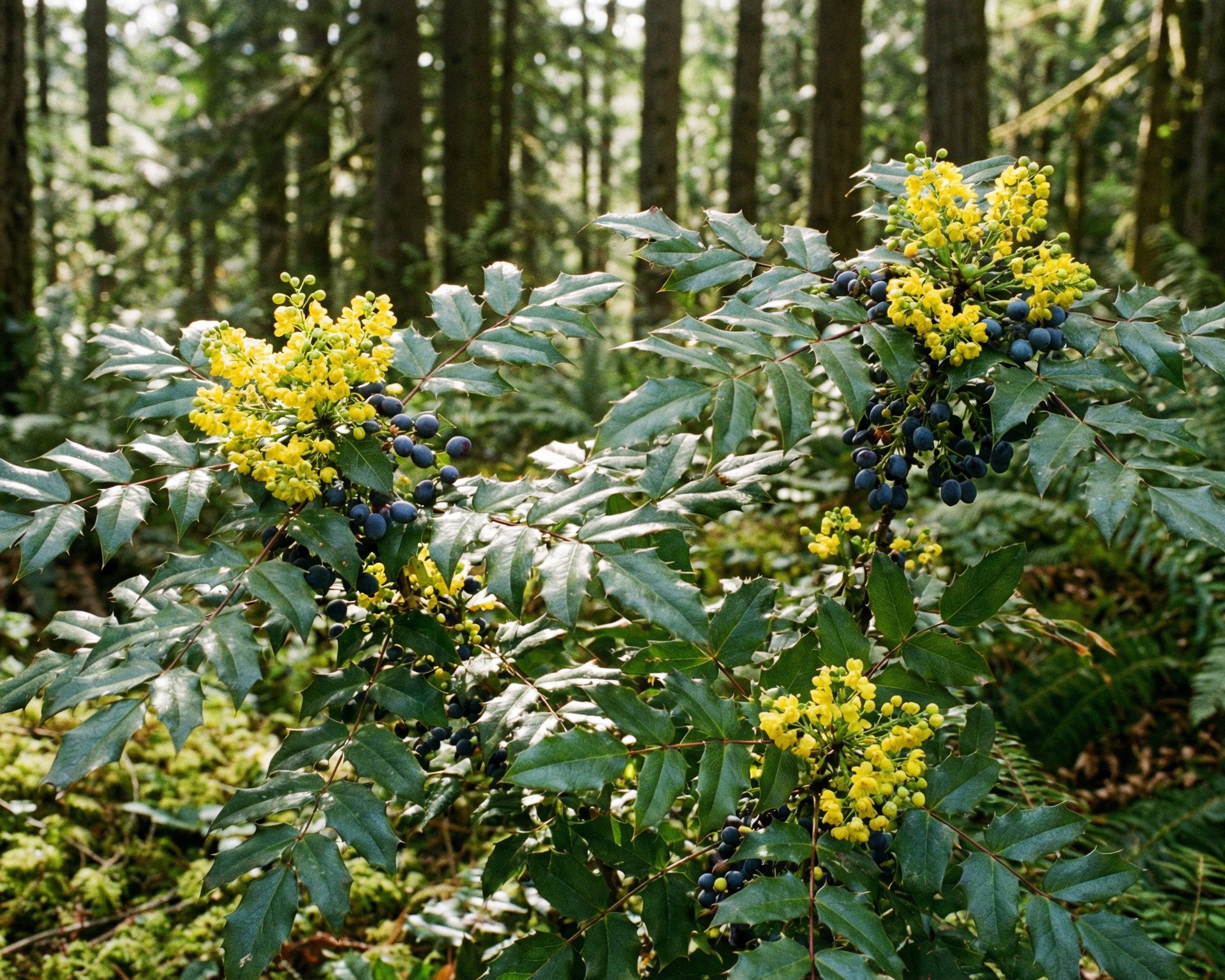
Mahonia aquifolium
14 nurseries listed
14 nurseries · 33 matching options
Los Angeles, CA
2 options
Call for pricing
Catalog checked Oct 4, 2026. Confirm availability before visiting.
Oakland, CA
1 option
Call for pricing
Catalog checked Oct 1, 2026. Confirm availability before visiting.
East Earl, PA
1 option
From $25.84
Catalog checked Oct 1, 2026. Confirm availability before visiting.
Albany, OR
7 options
Call for pricing
Catalog checked Oct 1, 2026. Confirm availability before visiting.
Logan, UT
2 options
Call for pricing
Catalog checked Oct 1, 2026. Confirm availability before visiting.
Great Barrington, MA
1 option
From $105.00
Catalog checked Oct 1, 2026. Confirm availability before visiting.
Showing 9–14 of 14 nurseries
Oregon Grape is the common name for plants in the genus Mahonia, a group of evergreen shrubs closely related to and often included within the genus Berberis. Native to North America and eastern Asia, these plants are widely recognized for their striking foliage and bright, cheerful flowers. The most well-known species is Mahonia aquifolium, the state flower of Oregon, from which the common name is derived. These shrubs are valued in landscaping for their year-round interest and adaptability to shady garden spots. The key characteristics of Oregon Grape include its pinnately compound leaves, which are leathery, glossy, and edged with sharp spines, resembling holly leaves. New growth in the spring often emerges with a reddish or bronze tint, maturing to a deep green. In the fall and winter, the foliage can take on shades of purple and burgundy. In late winter to early spring, dense clusters of fragrant, bright yellow flowers appear, providing an early source of nectar for pollinators. These are followed by round, dark blue-black berries that hang in grape-like clusters, giving the plant its common name. While the berries are edible, they are quite tart and are typically used to make jellies and preserves. Oregon Grape holds both ornamental and practical significance. In gardens, it is used as a foundation planting, in woodland settings, and for creating natural barriers due to its spiny leaves. The plant has a rich history of use by Native Americans, who utilized the yellow inner bark to create a dye and used various parts of the plant for medicinal purposes, treating ailments ranging from stomach issues to skin conditions. The berries are a valuable food source for birds and other wildlife. In permaculture, it is a useful understory plant in forest garden designs. For successful cultivation, Oregon Grape prefers partial to full shade and thrives in moist, acidic, well-drained soils rich in organic matter. It is a hardy plant that, once established, is relatively drought-tolerant. It should be protected from harsh winds and intense, direct sun, which can cause the leaves to scorch. The plant spreads through underground stems, or stolons, and can form dense colonies over time. Pruning is generally not required but can be done after flowering to maintain a desired shape and size. For best fruit production, it is recommended to plant more than one shrub to ensure cross-pollination.