Three Shovels Farm
St Matthews, SC
1 option
Call for pricing
Catalog checked Oct 4, 2026. Confirm availability before visiting.
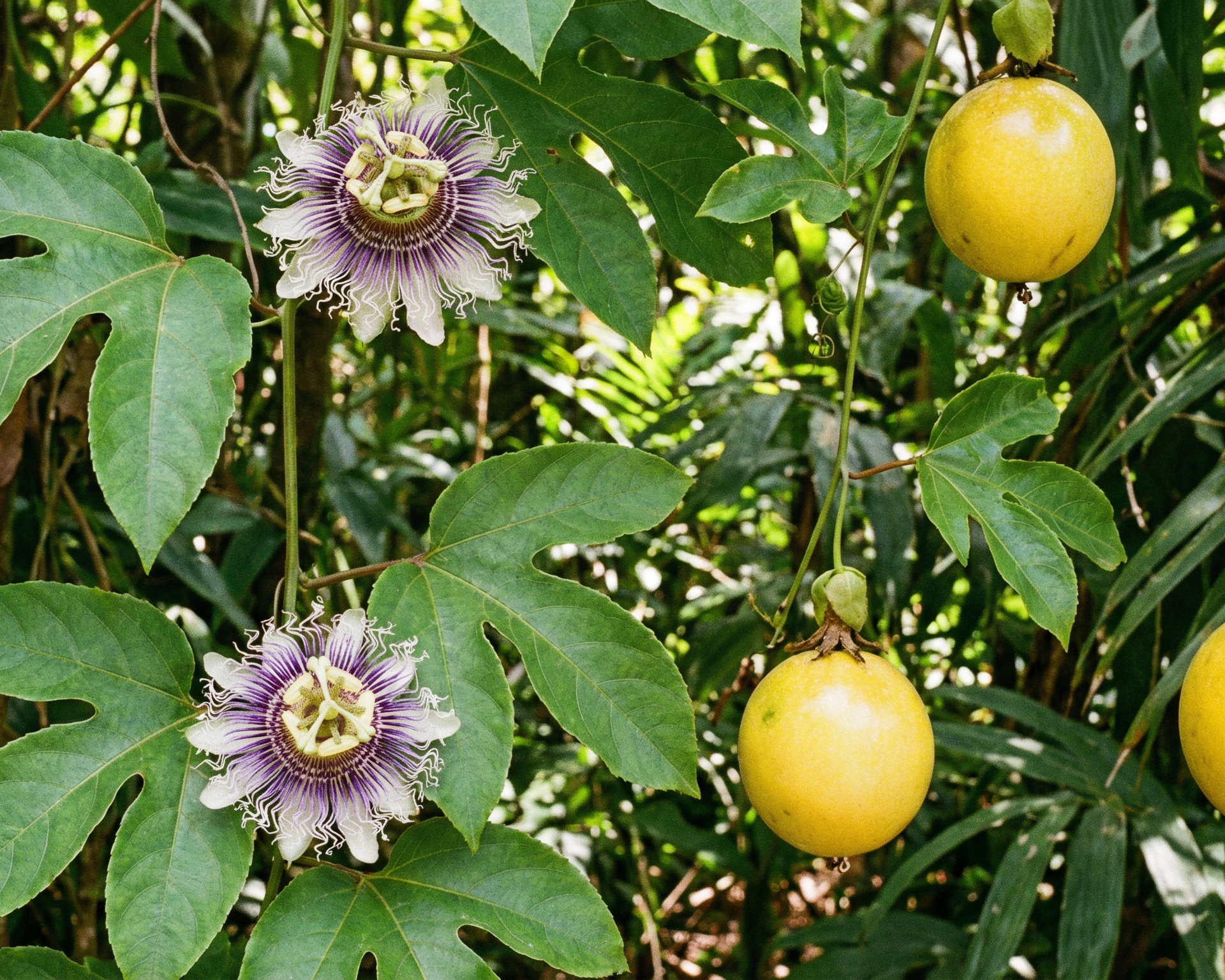
Passiflora spp.
19 nurseries listed
19 nurseries · 54 matching options
St Matthews, SC
1 option
Call for pricing
Catalog checked Oct 4, 2026. Confirm availability before visiting.
Bonsall, CA
1 option
Call for pricing
Catalog checked Oct 1, 2026. Confirm availability before visiting.
Aiken, SC
4 options
Call for pricing
Catalog checked Oct 1, 2026. Confirm availability before visiting.
Showing 17–19 of 19 nurseries
Passiflora, commonly known as the passion flower or passion vine, is a diverse and fascinating genus of flowering plants belonging to the family Passifloraceae. Comprising over 550 species, this genus is renowned for its exotic and intricate flowers, which have captured the imagination of botanists and gardeners for centuries. The genus Hollrungia, which includes the "Orange Passionflower", is now taxonomically considered a synonym of Passiflora, highlighting the close relationship between these plants. Passion flowers are predominantly found in the tropical and subtropical regions of the Americas, with some species also native to Asia and Australia. Their growth habits are varied, with most species being tendril-climbing vines, while others grow as shrubs or even trees. The most striking feature of the Passiflora genus is its unique floral structure. The flowers are typically radially symmetric and display a vibrant array of colors, from deep purples and blues to bright reds and yellows. A distinctive characteristic is the corona, a fringe of filaments that sits between the petals and stamens, giving the flower its complex and layered appearance. This intricate floral anatomy is not just for show; it has co-evolved with specific pollinators, such as bees, butterflies, and even hummingbirds, ensuring successful reproduction. The leaves of passion flowers are also diverse, ranging from simple and unlobed to deeply palmate, with some species exhibiting different leaf shapes on the same plant. Beyond their ornamental value, many species of Passiflora are cultivated for their edible fruits, the most famous of which is the passion fruit (Passiflora edulis). These fruits are enjoyed worldwide for their aromatic flavor and are used in juices, desserts, and other culinary creations. In addition to their culinary uses, some passion flower species have a history of use in traditional medicine. For example, Passiflora incarnata (maypop) has been used as a natural sedative and anxiolytic. The cultural significance of the passion flower is also noteworthy, with its name originating from Christian missionaries who saw the flower's structure as a symbol of the passion of Christ.
Explore the complete plant collection, including varieties with no nursery listings yet.