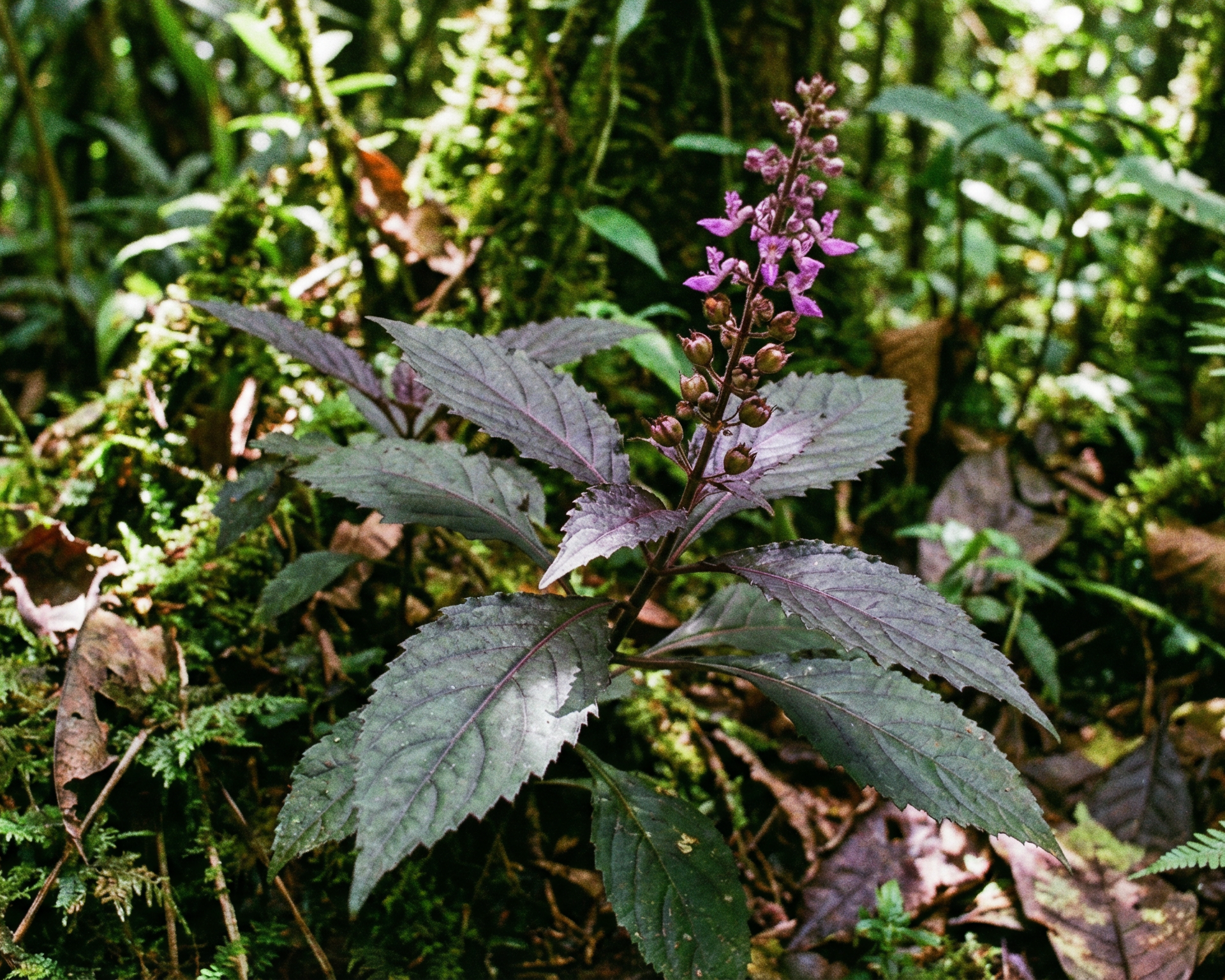
Patchouli
Pogostemon cablin
1 nursery nationwide
Compare nurseries
Nurseries with recorded shipping, across all locations. Confirm delivery to your address and availability on the nursery website.
No nursery options match these filters
Try another size or variety, or broaden your location. Options with unconfirmed variety names are included when All varieties is selected.
About Patchouli
Patchouli (Pogostemon cablin), the most well-known species in the Pogostemon genus, is a tropical, aromatic herb belonging to the mint family, Lamiaceae. Native to Southeast Asia, this plant is celebrated globally for the distinctive and potent essential oil extracted from its leaves. The genus itself encompasses a variety of species, some of which are aquatic, but it is the earthy, musky fragrance of patchouli that has cemented its place in perfumery and traditional medicine for centuries. While the plant has been cultivated across Asia for its aromatic qualities, its popularity surged in the 19th century and experienced a major revival during the 1960s and 1970s counterculture movement in the West. As a bushy perennial herb, Patchouli typically grows to a height of about one meter, featuring a sturdy, hairy stem and large, fragrant, ovate leaves that are softly toothed along the edges. The plant produces small, pale pink-white flowers that are clustered in dense whorls, but it is primarily cultivated for its foliage. The leaves contain the highest concentration of the essential oil, which is extracted through steam distillation of the dried leaves. The quality of the oil is known to improve with age, developing a fuller, richer, and less harsh aroma over time. The significance of Patchouli is overwhelmingly tied to its essential oil, a base note staple in the fragrance industry. Its strong, persistent scent is used to anchor more volatile aromas in perfumes, soaps, lotions, and incense. Beyond its use in perfumery, Patchouli holds a significant place in traditional medicine systems, particularly in Asia, where it has been used to treat skin conditions, relieve stress and anxiety, and act as an antiseptic and insecticide. The oil is also a popular component in aromatherapy for its grounding and balancing properties. Cultivating Patchouli requires replicating its native tropical environment. The plant thrives in warm, humid conditions with temperatures consistently above 15°C (60°F). It prefers rich, moist, and well-draining soil with a slightly acidic to neutral pH. While it can tolerate full sun, it flourishes in partial shade which protects it from intense, direct sunlight. Regular watering is necessary to keep the soil consistently moist but not waterlogged. In non-tropical climates, Patchouli can be successfully grown in containers indoors or in a greenhouse, provided it receives adequate humidity and warmth.
Plant facts
- Sun
- Partial Sun, Partial Shade
- Water
- Regular, Low
- USDA zones
- 9-11
- Lifecycle
- Perennial