Native Plant Farm
New Washoe City, NV
42 options
From $26.00
Catalog checked Oct 1, 2026. Confirm availability before visiting.
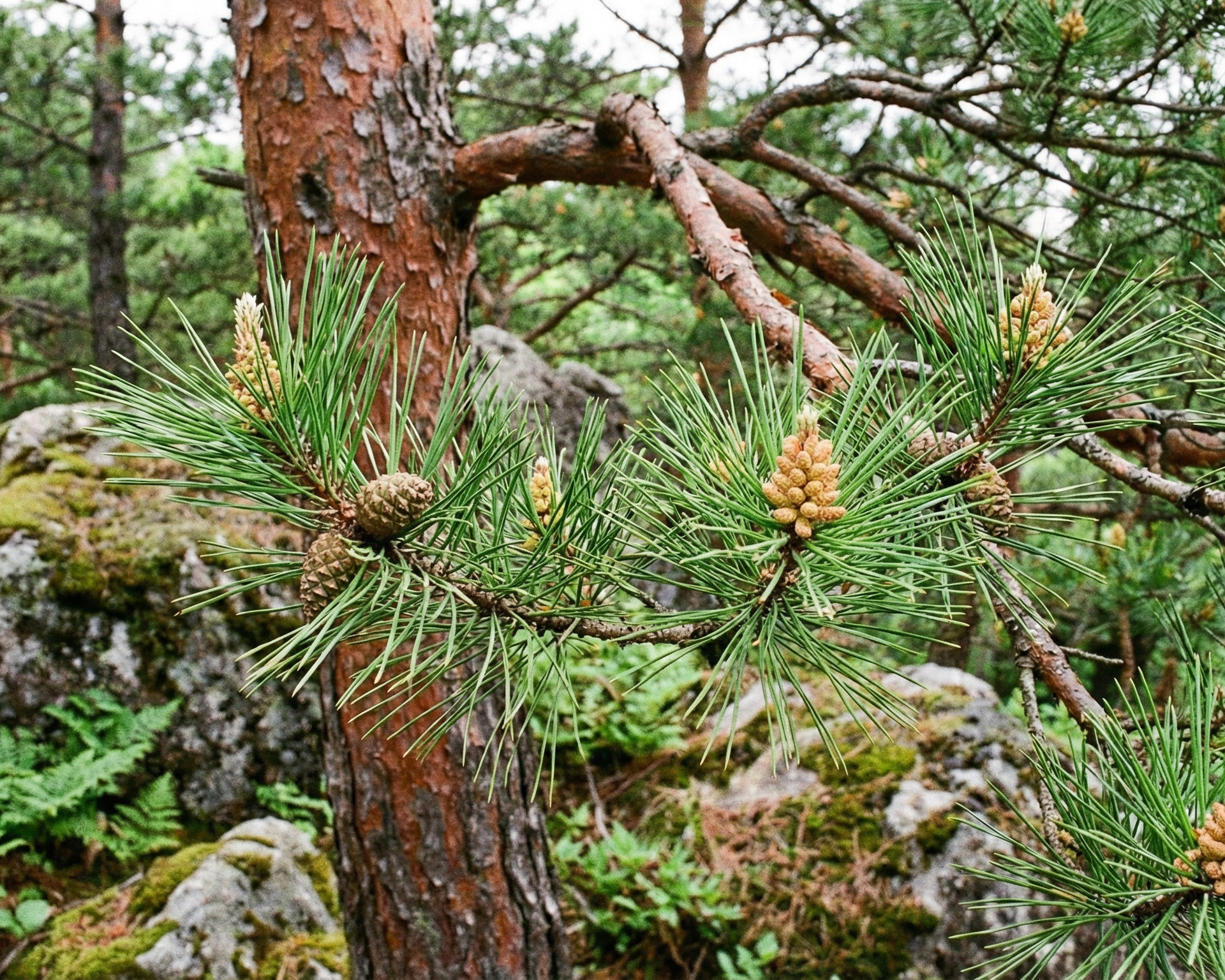
Pinus spp.
48 nurseries listed
48 nurseries · 954 matching options
New Washoe City, NV
42 options
From $26.00
Catalog checked Oct 1, 2026. Confirm availability before visiting.
Encinitas, CA
7 options
Call for pricing
Catalog checked Oct 4, 2026. Confirm availability before visiting.
Pembroke, NH
8 options
From $53.99
Catalog checked Oct 1, 2026. Confirm availability before visiting.
Crown Point, IN
4 options
Call for pricing
Catalog checked Oct 4, 2026. Confirm availability before visiting.
Carpinteria, CA
8 options
From $10.00
Catalog checked Oct 1, 2026. Confirm availability before visiting.
Pittsford, NY
77 options
Call for pricing
Catalog checked Oct 4, 2026. Confirm availability before visiting.
West Linn, OR
11 options
Call for pricing
Catalog checked Oct 1, 2026. Confirm availability before visiting.
Los Angeles, CA
14 options
Call for pricing
Catalog checked Oct 4, 2026. Confirm availability before visiting.
Showing 25–32 of 48 nurseries
Load more nurseriesPinus, commonly known as pine, is a large and widespread genus of coniferous trees and shrubs belonging to the family Pinaceae. As the sole genus in the subfamily Pinoideae, it holds a significant position in the plant kingdom, with approximately 115 species distributed primarily across the Northern Hemisphere. Pines are one of the most recognizable and economically important groups of trees, valued for their timber, pulp, and ornamental qualities. They are characterized by their evergreen nature and needle-like leaves, which are typically arranged in bundles or fascicles. The physical characteristics of pines are distinct and varied. They are woody, resinous trees that can range in size from small shrubs to towering forest giants. Their leaves, or needles, are a key identifying feature, typically found in clusters of two, three, or five, and can persist for several years. The reproductive structures of pines are cones, which can be either male (pollen cones) or female (seed cones). The seed cones are generally woody and take two years to mature, eventually opening to release winged seeds that are dispersed by the wind. Pines have a wide array of uses and hold considerable cultural and ecological significance. Economically, they are a primary source of timber for construction and furniture, as well as pulp for paper production. The seeds of some species, known as pine nuts, are harvested for culinary use. Additionally, pine resin has been traditionally used for producing turpentine and rosin. In permaculture and ecological contexts, pines play a crucial role in forest ecosystems, providing habitat and food for wildlife, and contributing to soil health.