From $11.00
Catalog checked Oct 1, 2026. Confirm availability before visiting.
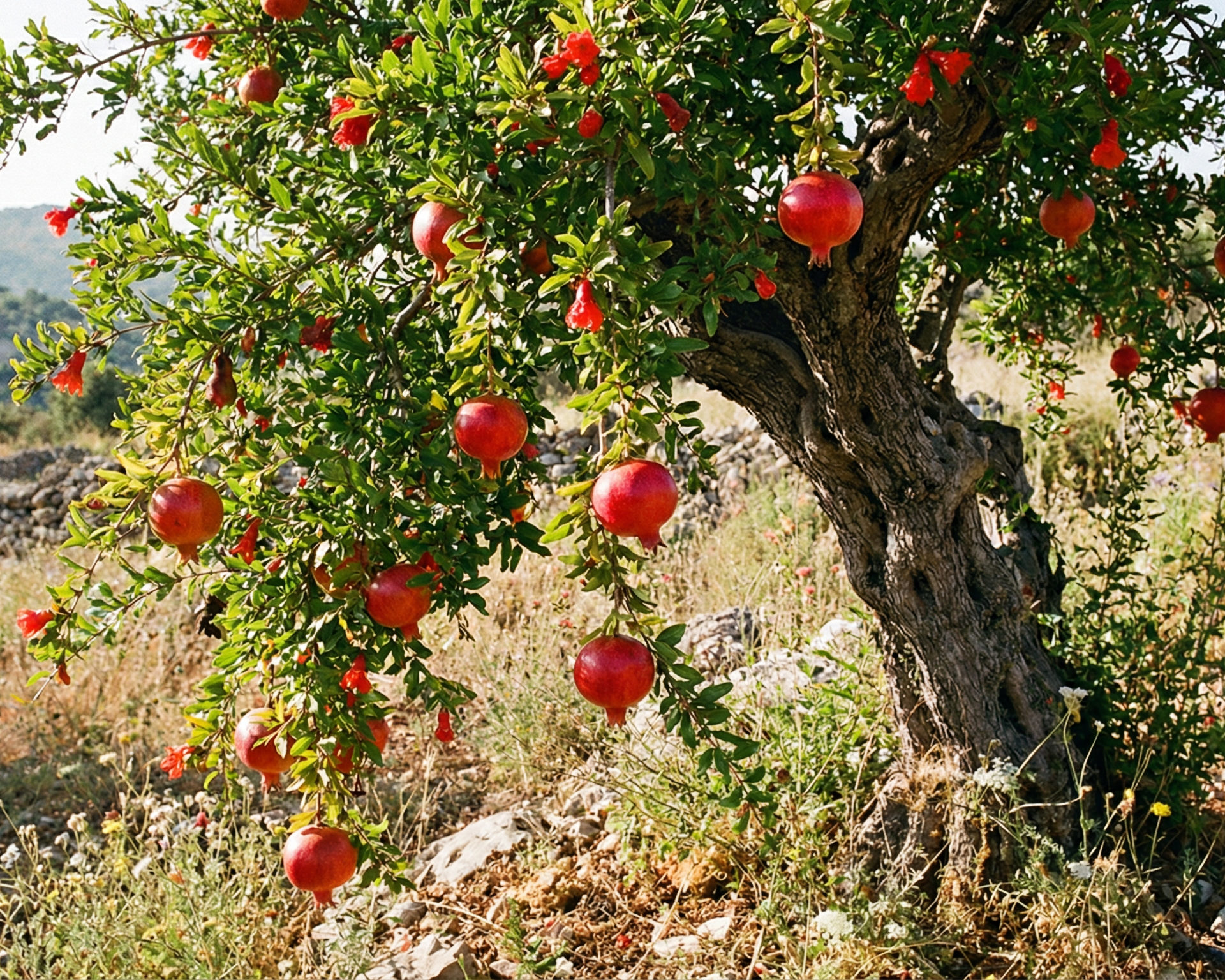
Punica granatum
49 nurseries listed · 13 named varieties
49 nurseries · 573 matching options
From $11.00
Catalog checked Oct 1, 2026. Confirm availability before visiting.
Watsonville, CA
6 named varieties · 7 options
From $54.00
Catalog checked Oct 1, 2026. Confirm availability before visiting.
San Francisco, CA
1 option
Call for pricing
Catalog checked Oct 4, 2026. Confirm availability before visiting.
Cedar Park, TX
4 options
From $64.99
Catalog checked Oct 1, 2026. Confirm availability before visiting.
Loxahatchee, FL
3 named varieties · 12 options
From $50.00
Catalog checked Oct 1, 2026. Confirm availability before visiting.
From $9.00
Catalog checked Oct 1, 2026. Confirm availability before visiting.
Crawfordville, FL
5 named varieties · 7 options
From $39.99
Catalog checked Oct 1, 2026. Confirm availability before visiting.
Miami, FL
2 options
From $35.00
Catalog checked Oct 1, 2026. Confirm availability before visiting.
Showing 17–24 of 49 nurseries
Load more nurseriesThe genus Punica, most famously known as the Pomegranate, is a small but significant group of fruit-bearing deciduous shrubs or small trees. While the genus consists of two species, it is the common pomegranate, Punica granatum, that is widely cultivated and celebrated globally. Native to the region stretching from modern-day Iran to the Himalayas, the pomegranate has been domesticated for millennia and is now grown in arid and subtropical climates worldwide, including the Mediterranean Basin, Southeast Asia, and California. The pomegranate plant is characterized by its dense, bushy growth habit, typically reaching a height of 5 to 10 meters. It has glossy, leathery leaves and striking, trumpet-shaped flowers that are a vibrant reddish-orange. The plant's most prized feature is its fruit, a spherical berry with a tough, leathery rind that ranges in color from yellow-orange to deep red. Internally, the fruit is divided into compartments by membranous walls, each containing numerous seeds encased in a sweet, juicy pulp known as an aril. This unique structure sets the pomegranate apart from other fruits. Beyond its culinary appeal, the pomegranate holds deep cultural and medicinal significance. The fruit is a rich source of antioxidants, vitamins, and minerals, and its juice is a popular health beverage. In traditional medicine, various parts of the plant, including the fruit, bark, and flowers, have been used to treat a wide range of ailments. The pomegranate also features prominently in mythology, religious texts, and art, symbolizing fertility, abundance, and eternal life in many cultures. Its drought tolerance and long-fruiting season make it a valuable plant in permaculture and sustainable agriculture.
Explore the complete plant collection, including varieties with no nursery listings yet.