Ponytail Palm
6 nurseries nationwide
Compare nurseries
Choose a city or ZIP to find nearby growers. Showing nationwide listings until you choose an area.
6 nurseries · 24 matching options
6 locations on the map. Select a marker or a nursery to compare.
Preparing the map…
Your location isn’t saved. Confirm availability and visiting hours with the nursery.
About Ponytail Palm
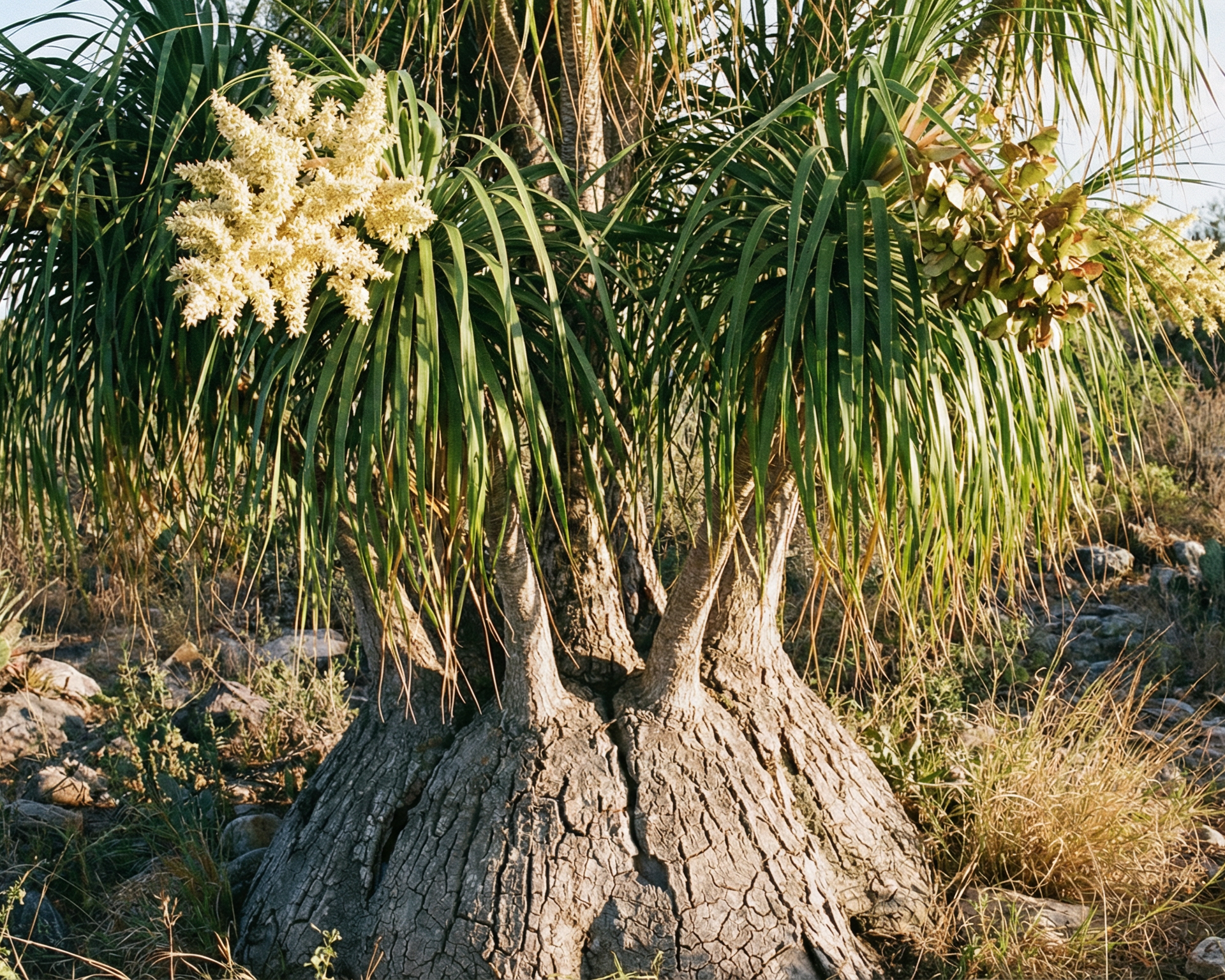
The Ponytail Palm, scientifically known as Beaucarnea recurvata, is a distinctive and popular plant, easily recognized by its bulbous trunk base, which gives it another of its common names, the Elephant's Foot Palm. Native to the semi-desert regions of southeastern Mexico, this plant is not a true palm but a member of the Asparagaceae family. Its swollen caudex serves as a water reservoir, enabling the plant to withstand long periods of drought. The trunk, which is slenderer above the base, is topped with a dense rosette of long, gracefully arching leaves that resemble a cascade of hair, hence the name Ponytail Palm. While it can reach impressive heights of up to 30 feet in its natural habitat, it remains a much more manageable size when grown as a houseplant. The key characteristics of the Ponytail Palm include its long, leathery, strap-like leaves that can grow up to six feet long on mature outdoor specimens but are typically shorter on indoor plants. These leaves are evergreen and create a fountain-like effect as they droop from the top of the trunk. After about ten years of growth, mature plants may produce large panicles of small, creamy-white flowers, though this is a rare sight on indoor specimens. The plant is dioecious, meaning male and female flowers are borne on separate plants. The Ponytail Palm is a slow-growing and exceptionally long-lived plant, with some specimens in Mexico reported to be over 350 years old. Primarily cultivated as an ornamental plant, the Ponytail Palm is a favorite for both indoor and outdoor settings in appropriate climates (USDA zones 10-11). Its unique appearance makes it an excellent focal point in a room or a dry garden. One of its most appealing attributes is its low-maintenance nature, making it an ideal choice for beginner gardeners. The plant's drought tolerance means it can forgive occasional neglect. Furthermore, it is non-toxic to cats, dogs, and horses, adding to its popularity as a houseplant. While not known for medicinal or culinary uses, its aesthetic appeal and resilience have made it a beloved plant worldwide. For optimal growth, the Ponytail Palm requires bright, indirect sunlight, though it can tolerate lower light conditions. It thrives in a well-draining soil mix, similar to what would be used for cacti, to prevent waterlogging and root rot, which is the most common issue with this plant. Watering should be done thoroughly but infrequently, allowing the soil to dry out completely between waterings, and should be reduced significantly during the winter months. Fertilizing is minimal, only needed once or twice during the growing season. While generally pest-resistant, it can be susceptible to mealybugs and scale insects. Brown leaf tips can occur due to underwatering, overwatering, or salt buildup, and can be trimmed for aesthetic purposes.