Purslane
Portulacaca Oleracea
2 nurseries nationwide
Compare nurseries
Nurseries with recorded shipping, across all locations. Confirm delivery to your address and availability on the nursery website.
No nursery options match these filters
Try another size or variety, or broaden your location. Options with unconfirmed variety names are included when All varieties is selected.
About Purslane
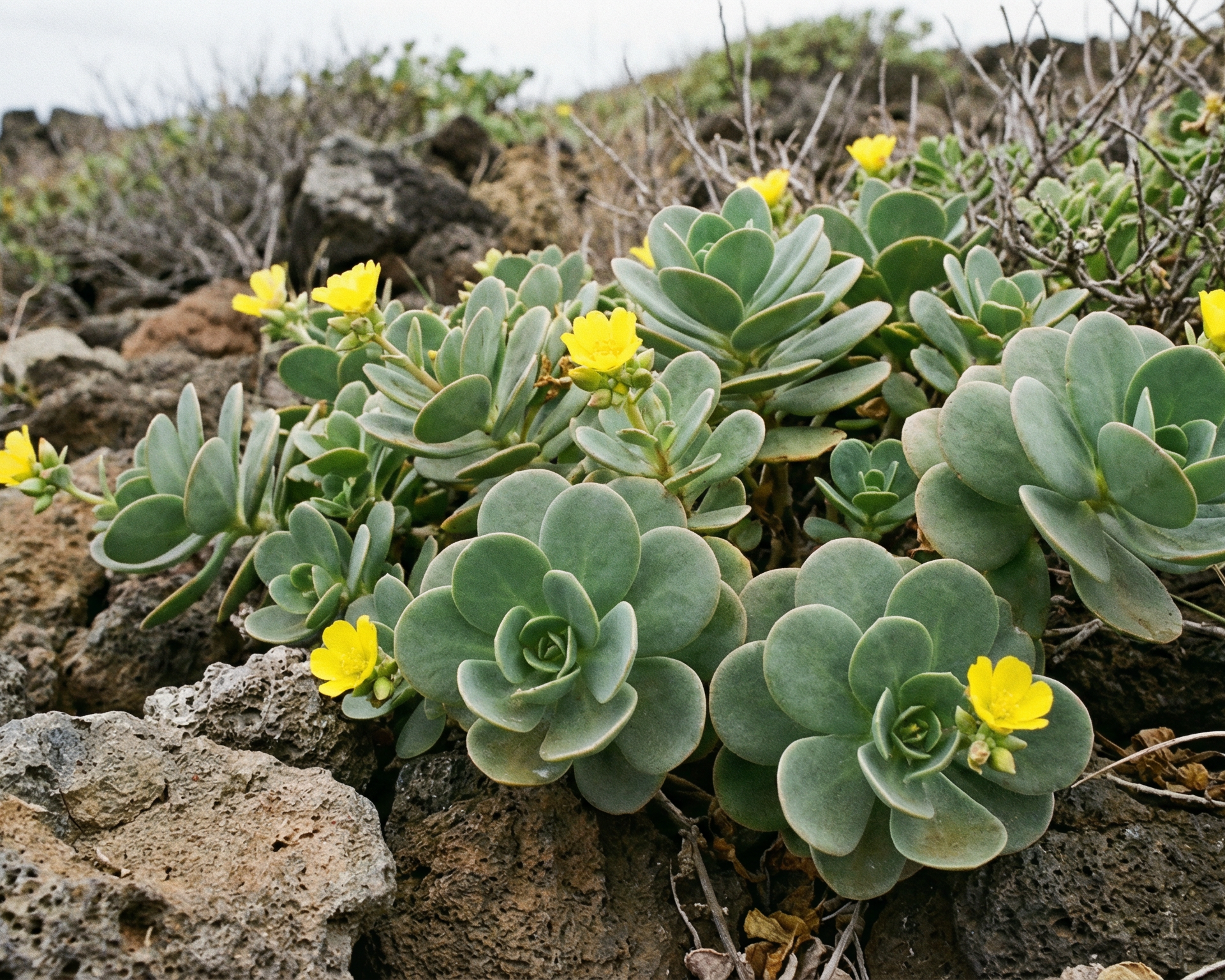
The genus Portulaca, commonly known as purslane, is a diverse group of flowering plants belonging to the Portulacaceae family. This genus encompasses over 100 species, which are distributed across the globe in tropical and warm temperate climates. While some species are cultivated for their ornamental value, others are foraged as edible weeds. The name Portulaca is derived from the Latin word for "little door," which aptly describes the lid-like capsule that opens to release the plant's seeds. Purslanes are typically low-growing annuals characterized by their succulent leaves and stems, which enable them to thrive in hot, dry conditions. The leaves are fleshy and can be arranged alternately or oppositely on the stem. The flowers are particularly noteworthy for their vibrant colors, which include shades of yellow, orange, red, pink, and white. A unique characteristic of many Portulaca species is that their flowers open in the morning and close at night or on overcast days. These plants are well-suited for a variety of garden settings, including rock gardens, borders, and containers, due to their drought tolerance and preference for full sun and well-drained soils. The genus Portulaca holds both culinary and horticultural significance. Common purslane (Portulaca oleracea) is widely consumed as a leafy vegetable in many parts of the world and is recognized for its high nutritional value, including omega-3 fatty acids. In contrast, Portulaca grandiflora, often called moss rose, is a popular ornamental plant cherished for its showy, rose-like flowers. Beyond their direct uses by humans, some Portulaca species also play a role in the ecosystem, serving as a food source for the larvae of certain Lepidoptera species and being a favored food for chickens.
Plant facts
- Sun
- Full Sun
- Water
- Low, Drought Tolerant
- USDA zones
- 3-11
- Lifecycle
- Annual
Variety guides
Explore the complete plant collection, including varieties with no nursery listings yet. Counts reflect your location and shopping filters.