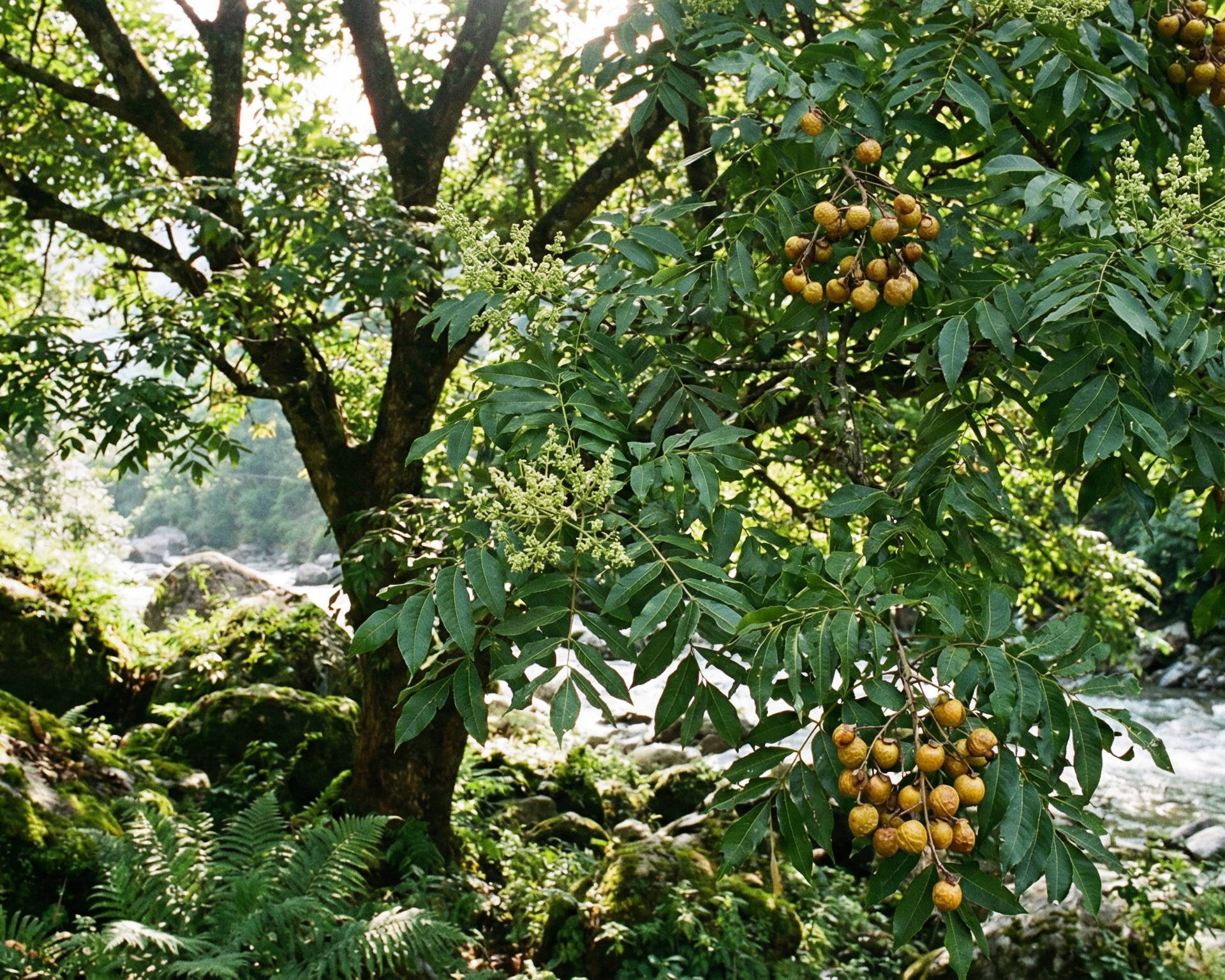
Soapberry (soap nut)
Sapindus spp.
1 nursery nationwide
Compare nurseries
Nurseries with recorded shipping, across all locations. Confirm delivery to your address and availability on the nursery website.
No nursery options match these filters
Try another size or variety, or broaden your location. Options with unconfirmed variety names are included when All varieties is selected.
About Soapberry (soap nut)
Sapindus is a genus of about a dozen species of shrubs and small trees in the lychee family, Sapindaceae. Commonly known as soapberry or soapnut, the genus is native to warm temperate and tropical regions across the globe. The name Sapindus is derived from the Latin words sapo, meaning "soap," and indicus, meaning "of India," referring to the use of the fruit pulp to make soap. Both deciduous and evergreen species exist within this genus, and they are characterized by their pinnately compound leaves, though some species have simple leaves. The key characteristics of the Sapindus genus include their alternate leaves, which are typically 15–40 cm long with 14–30 leaflets. The flowers are small and creamy-white, and they grow in large panicles. The fruit, which is the most notable feature of the genus, is a small, leathery-skinned drupe about 1–2 cm in diameter. The fruit ripens from a yellow to a blackish color and contains a single seed. The pulp of the fruit is rich in saponins, which are natural surfactants that have been used for centuries for washing. The primary use and significance of the soapberry tree is the production of soap from its fruit. The saponin-rich pulp can be mixed with water to create a lather that can be used as a natural soap or shampoo. In addition to its use as a cleaning agent, Sapindus has a history of use in traditional medicine for treating a variety of ailments. Extracts from the plant have also been investigated for their insecticidal properties, particularly against mosquitos. The wood of the tree has been used to make arrows, and the seeds are sometimes used for decorative purposes. Soapberry trees are relatively easy to cultivate in the appropriate climate. They thrive in full sun and well-drained soils, and they are tolerant of drought and a variety of soil types, including sandy and rocky soils. They are best suited for USDA zones 9-11. While generally resistant to pests and diseases, they can occasionally be affected by powdery mildew and leaf blight. In the landscape, they can be used as shade trees, street trees, or as a screen.
Plant facts
- Sun
- Full Sun, Partial Sun
- Water
- Regular, Drought Tolerant
- USDA zones
- 9-11
- Lifecycle
- Perennial