Norman's Nursery Residential
Carpinteria, CA
11 options
From $10.00
Catalog checked Oct 1, 2026. Confirm availability before visiting.
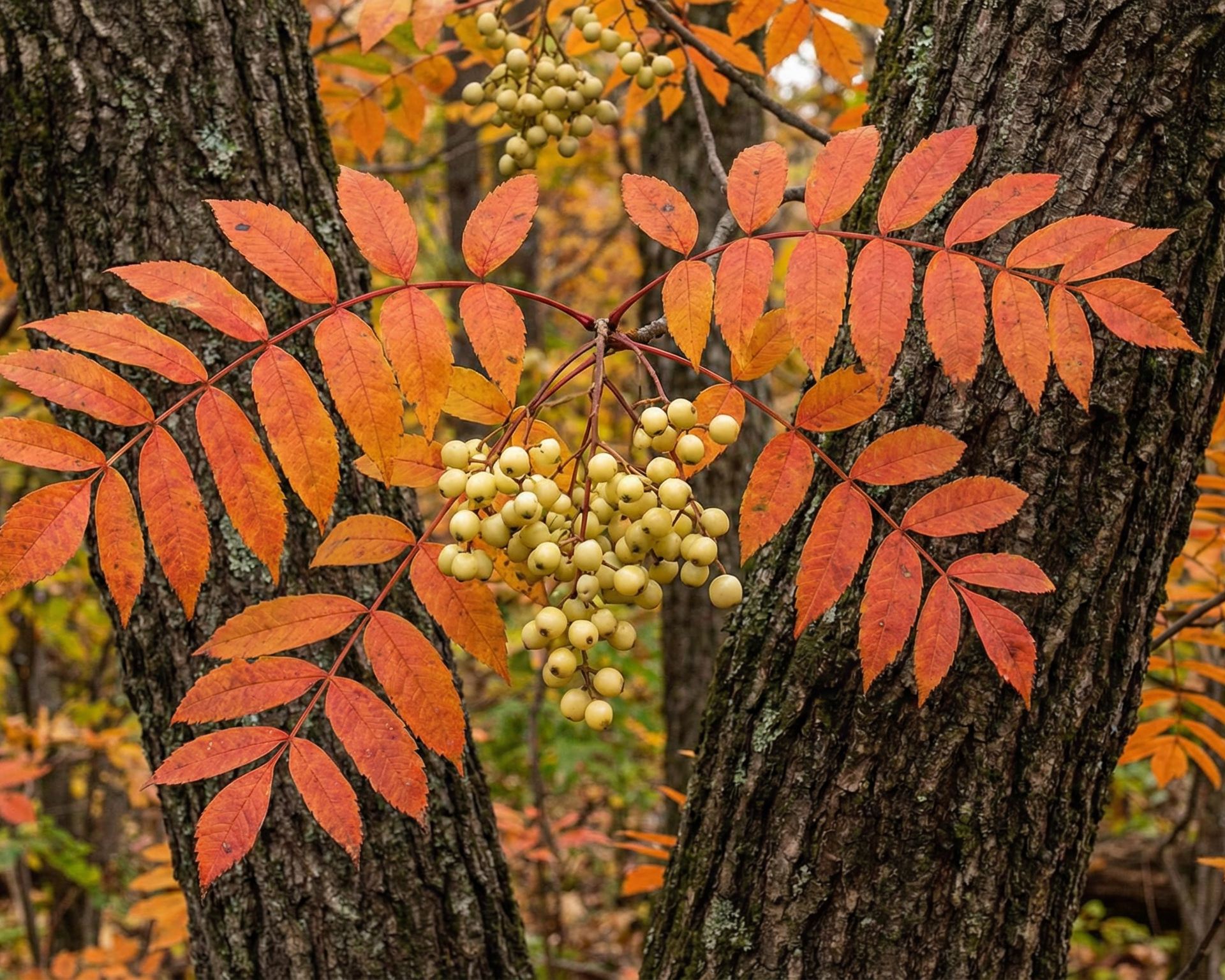
Rhus spp.
31 nurseries listed
31 nurseries · 120 matching options
Carpinteria, CA
11 options
From $10.00
Catalog checked Oct 1, 2026. Confirm availability before visiting.
Pittsford, NY
1 option
Call for pricing
Catalog checked Oct 4, 2026. Confirm availability before visiting.
Ojai, CA
3 options
Call for pricing
Catalog checked Oct 1, 2026. Confirm availability before visiting.
Los Angeles, CA
11 options
Call for pricing
Catalog checked Oct 4, 2026. Confirm availability before visiting.
Oakland, CA
2 options
Call for pricing
Catalog checked Oct 1, 2026. Confirm availability before visiting.
Fountain, FL
2 options
From $30.00
Catalog checked Oct 1, 2026. Confirm availability before visiting.
Pomona, CA
2 options
Call for pricing
Catalog checked Oct 4, 2026. Confirm availability before visiting.
East Earl, PA
1 option
From $46.61
Catalog checked Oct 1, 2026. Confirm availability before visiting.
Showing 17–24 of 31 nurseries
Load more nurseriesSumac Sumac, a diverse genus of flowering plants known as Rhus, encompasses a variety of shrubs and small trees. These plants are members of the Anacardiaceae family, which also includes cashews and mangoes. Found in subtropical and temperate regions across the globe, sumacs are characterized by their pinnately compound leaves, dense clusters of small, greenish-white or red flowers, and reddish, berry-like drupes. While some species are known for their toxicity, many others are valued for their culinary, medicinal, and ornamental uses. The most well-known culinary sumac is Rhus coriaria, or tanner's sumac, which is prized for its tart, lemony flavor. The dried and ground drupes of this species are a popular spice in Middle Eastern and Mediterranean cuisine, often used to add acidity to dishes. Other species, such as fragrant sumac (Rhus aromatica), are known for their aromatic leaves and are used in landscaping for their attractive fall foliage and ability to stabilize soil on banks and slopes. Staghorn sumac (Rhus typhina) and smooth sumac (Rhus glabra) are other common species known for their ornamental value and use in erosion control. Sumacs are generally hardy and adaptable plants, thriving in a range of soil types and conditions. They are typically grown in full sun to partial shade and are tolerant of drought and poor soil. Propagation is achieved through both seeds, which are dispersed by birds and other animals, and rhizomes, which allow the plants to form large clonal colonies. While some species can be aggressive spreaders, others, like fragrant sumac, are less so and are well-suited for garden use. Most sumacs are dioecious, meaning that male and female flowers are produced on separate plants. In addition to their culinary and ornamental value, sumacs have a long history of use in traditional medicine and as a source of natural dyes. Native Americans used various parts of the plant to create remedies for a range of ailments, and the tannins in some species were used to tan leather. The vibrant red berries of many sumacs also provide an important food source for wildlife, particularly during the winter months. The name "sumac" itself is derived from the Arabic word "summāq," meaning "red," a reference to the color of the fruit.