Sweet Pea
Lathyrus odoratus
1 nursery nationwide
Compare nurseries
Choose a city or ZIP to find nearby growers. Showing nationwide listings until you choose an area.
1 nursery · 1 matching option
1 location on the map. Select a marker or a nursery to compare.
Preparing the map…
Your location isn’t saved. Confirm availability and visiting hours with the nursery.
About Sweet Pea
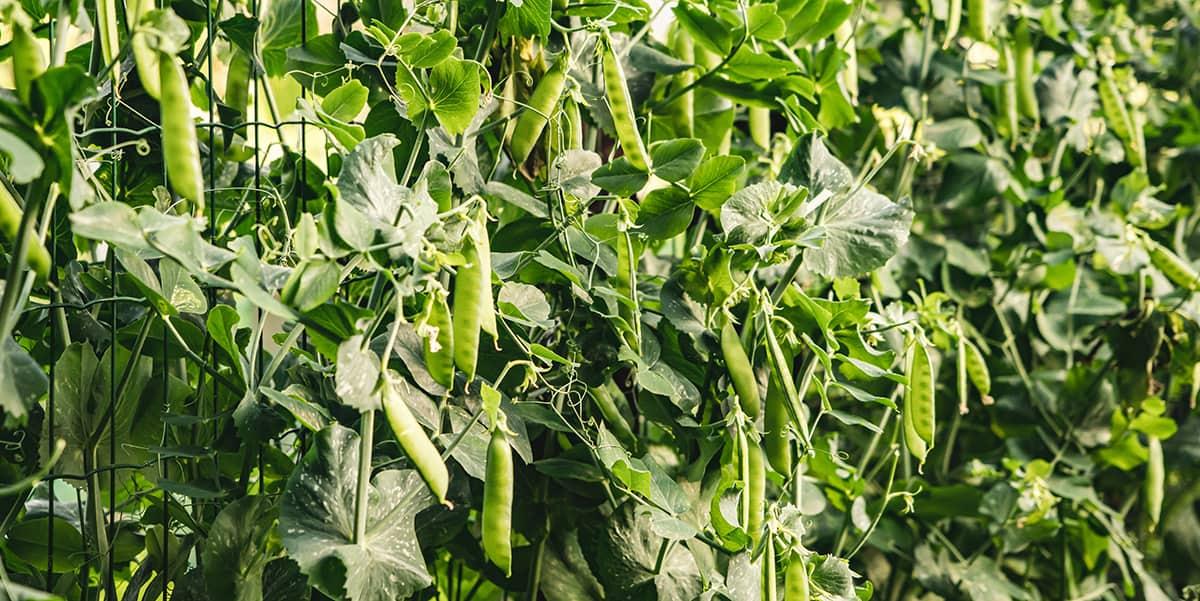
The genus Lathyrus, commonly known as Sweet Pea or Vetchling, is a large group of flowering plants in the legume family, Fabaceae. It encompasses approximately 160 species of both annual and perennial plants, which are native to temperate regions across the globe, including Europe, North America, Asia, and even parts of Africa and South America. The name Lathyrus itself has ancient Greek origins, derived from the word 'lathyros,' which translates to 'pea' or 'pulse,' reflecting the genus's close relationship with edible peas. Sweet Peas are characterized by their distinctive climbing or bushy growth habits. Their stems are often winged, and their leaves are pinnately compound, typically ending in tendrils that aid in climbing. The flowers are the main attraction for many gardeners, being pea-like in shape, often fragrant, and available in a wide array of colors, from vibrant pinks and purples to delicate whites and yellows. Following the bloom, the plants produce flattened pods that contain the seeds. While some species are cultivated for their edible seeds, it is crucial to note that the seeds of many Lathyrus species, including the popular ornamental sweet pea, are toxic if ingested. Many species within the Lathyrus genus hold significant value. The most well-known is the common Sweet Pea (Lathyrus odoratus), a beloved ornamental plant cherished for its beautiful and fragrant flowers, making it a staple in cottage gardens and for cut flower arrangements. Other species, such as the Fodder Pea (Lathyrus annuus), are cultivated as forage for livestock. Some species, like the Grass Pea (Lathyrus sativus), have a history of being grown for human consumption, particularly in arid regions, though excessive consumption can lead to a neurological disorder known as lathyrism. This dual nature of the genus, containing both prized ornamentals and potentially toxic food crops, makes it a fascinating subject of study. In terms of cultivation, most Lathyrus species thrive in full sun and prefer cool, fertile, and well-drained soil. They benefit from consistent moisture and regular feeding throughout their growing season. Due to their climbing nature, many species require support structures like trellises or fences. While generally hardy, they can be susceptible to pests such as aphids and mites, and diseases like powdery mildew and rust. Some species also have a tendency to self-seed readily and can become weedy or invasive in certain regions if not managed.
Plant facts
- Sun
- Full Sun, Partial Sun
- Water
- Regular
- USDA zones
- 3-9
- Lifecycle
- Annual
Variety guides
Explore the complete plant collection, including varieties with no nursery listings yet.