From $29.99
Catalog checked Oct 1, 2026. Confirm availability and delivery area.
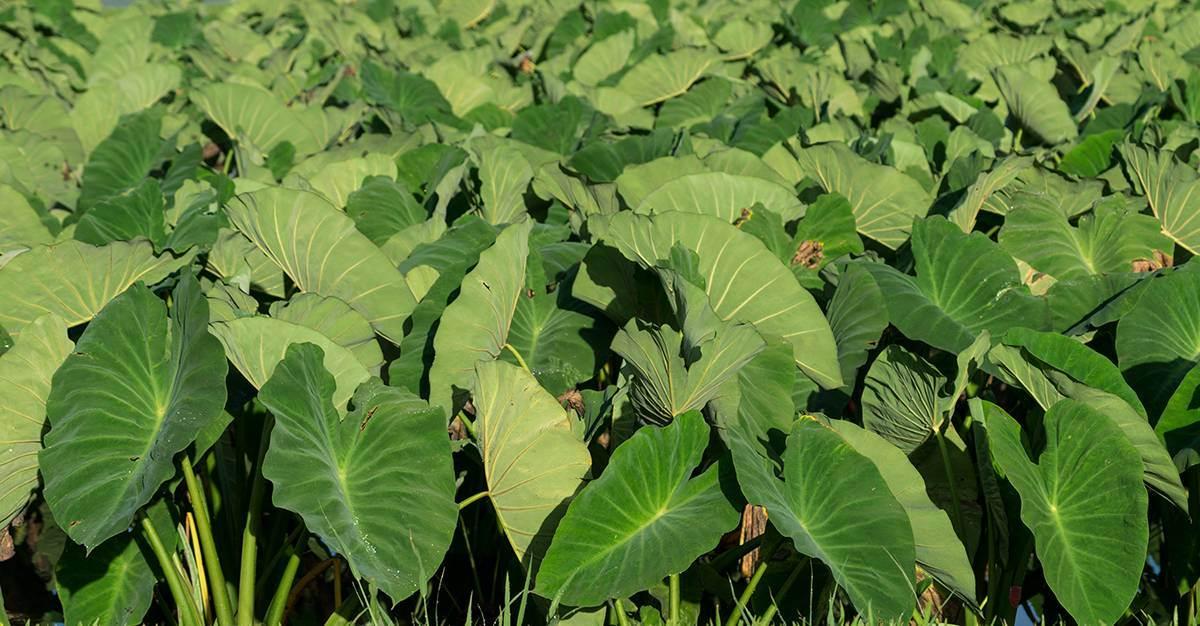
Colocasia esculenta
11 nurseries listed · 1 named varieties
Nurseries with recorded shipping, across all locations. Confirm delivery to your address and availability on the nursery website.
1 nursery · 1 matching option
From $29.99
Catalog checked Oct 1, 2026. Confirm availability and delivery area.
Showing 1–1 of 1 nurseries
Overview and Introduction Colocasia is a genus of flowering plants in the family Araceae, native to tropical and subtropical Asia and the Indian subcontinent. The genus is best known for the species Colocasia esculenta, which is cultivated worldwide as a staple food crop and is commonly known as Taro. While many species in the genus are referred to as "Elephant Ears" due to their large, heart-shaped leaves, the name "Taro" is most directly associated with the edible corms that have been a primary source of carbohydrates for various cultures for thousands of years. Its cultivation is one of the oldest in the world, with archaeological evidence suggesting it was grown in the wetlands of New Guinea at least 7,000 years ago. Key Characteristics Plants of the Colocasia genus are herbaceous perennials characterized by their large, peltate leaves that can grow up to several feet in length and width. The leaves are often a vibrant green, though cultivars can display a range of colors and variegations. The plant grows from a starchy, underground tuber known as a corm, which is the primary part of the plant that is harvested for food. The corms can vary in size, shape, and color, with white, yellow, or purple flesh. The flowers are small and are borne on a spadix, which is enclosed by a spathe, typical of the arum family. However, the plant is primarily cultivated for its corms and leaves rather than its flowers. Uses and Significance The primary significance of Colocasia, particularly C. esculenta, is culinary. The corms are a versatile ingredient, rich in starch, and can be boiled, steamed, fried, or pounded into a paste called poi, a traditional dish in Hawaii. The leaves are also edible when cooked and are a good source of vitamins. All parts of the plant contain calcium oxalate crystals, which can cause irritation if ingested raw, so they must be cooked thoroughly before consumption. Beyond its culinary uses, Colocasia has cultural importance in many societies, often featured in ceremonies and traditional medicine. In permaculture and gardening, the plants are valued for their ornamental foliage and their ability to thrive in wet, boggy conditions, making them suitable for planting in water gardens and along the edges of ponds.
Explore the complete plant collection, including varieties with no nursery listings yet. Counts reflect your location and shopping filters.